Mass Animal Suffering and the Collapse of Compassion

Click on for PCRM’s 21-Day Vegan Kickstart Program
Click on and Pledge to Be Vegan for 30 Days!
From ALDF
Posted by Matthew Liebman, ALDF Staff Attorney
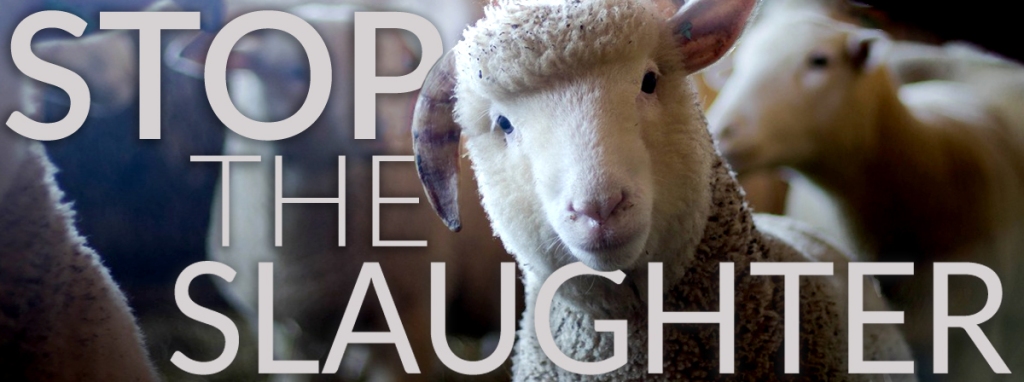
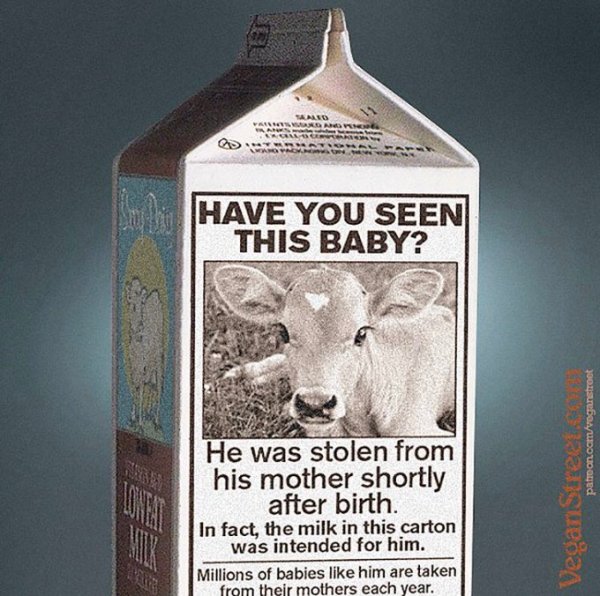
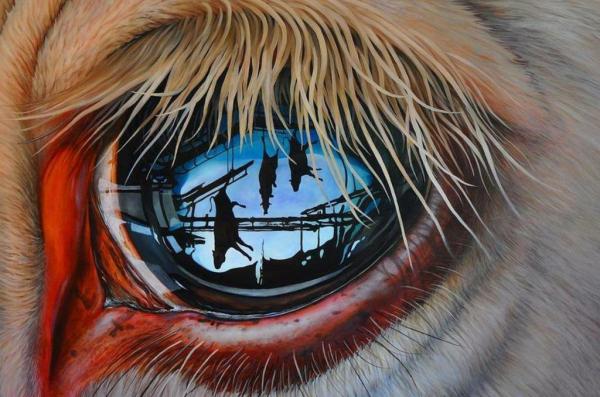
A strange paradox constantly confronts activists in the animal protection movement: many members of the public express appropriate revulsion at cruelty against individual animals (e.g., the dog beaten by his owner) while simultaneously responding with indifference to the large-scale industrial exploitation that destroys the lives of billions of animals (e.g., the bloody slaughter that awaits every cow, chicken, and pig killed for his or her flesh).
A recent study in the Journal of Personality and Social Psychology sheds light on why this might be the case. In “Escaping Affect: How Motivated Emotion Regulation Creates Insensitivity to Mass Suffering,” two social psychologists from the University of North Carolina at Chapel Hill, C. Daryl Cameron and B. Keith Payne, examine people’s tendency to respond less compassionately to mass suffering than to individual suffering. They cite numerous studies that show that compassionate response decreases as the number of victims increases. Thus “large-scale tragedies in which the most victims are in need of help will ironically be the least likely to motivate helping.”
According to the authors, this “collapse of compassion” happens not because, as some have argued, people are less capable of caring about group suffering than individual suffering, but rather because they actively (if subconsciously) regulate their emotions to suppress the compassion they feel for mass suffering. In other words, caring less about mass suffering isn’t built into our makeup, but is instead an active process in which we downgrade our affective response to mass suffering.
Related | Farm To Fridge ~ What if this was your pet?
Vodpod videos no longer available.
But why do we do that? Self-interest. People tend to regulate emotions that they perceive as costly. If feeling compassion toward group suffering compels you to donate money, experience emotional anguish, or significantly change your lifestyle, you may choose to avoid that compassion altogether. Cameron and Payne summarize: “when faced with the prospect of mass suffering, people might find their emotions especially costly, and take steps to prevent or eliminate them.” Frankly put, sometimes it’s easier not to care.
Cameron and Payne’s study focuses on emotion regulation in response to mass human suffering (specifically the Darfur crisis), but its findings have important implications for animal activists who want to draw attention to mass animal suffering. Consider the examples mentioned above: it’s easier to care about the single dog abused by his owner than the billions of animals slaughtered for food, because the cost of compassion is less: one demands a simple moral indignation, the other a potentially drastic change in diet. If the hypothesis of this study is correct, people down-regulate their emotional response to mass animal suffering because, at least in part, they think the cost of helping will be too burdensome.
Furthermore, as the authors note, because emotional response influences moral judgment, when people dull their compassionate responses, they are less likely to adjudge the underlying conduct as immoral. For example, if we regulate our emotional response to minimize compassion for animals in slaughterhouses, we are more likely to condone that slaughter as morally permissible.
It’s depressing stuff and raises serious questions about how effective we can be in our campaigns to alleviate mass animal suffering. There are a few constructive lessons, though. First, the authors suggest that encouraging people to trust their emotional responses can help reduce their down-regulation of compassion. This highlights the importance of humane education to encourage children to foster, rather than suppress, the compassion they feel for animals. Second, we can reduce the “collapse of compassion” effect to the extent we can minimize the perceived costs of caring about mass animal suffering. For example, if we can show that adopting a vegan diet is easy, nutritious, and healthy, people will be less motivated to down-regulate their emotional response to exploited farmed animals.
(Thanks to the Humane Research Council for bringing this study to our attention.)
Need a vegan grocery shopping list? Check out PETA’s:
Accidentally Vegan … Really, it’s vegan!

See More:
compassion has taken a temporary
back seat
but we who still believe
do not accept defeat
no matter how tired,
or blue or stressed
there is always a way
to be one’s personal best
with kindness as a partner
in whatever one’s life trials
things really do feel better
after a while
Karen Lyons Kalmenson










 Our Compass
compassion has taken a temporary
back seat
but we who still believe
do not accept defeat
no matter how tired,
or blue or stressed
there is always a way
to be one’s personal best
with kindness as a partner
in whatever one’s life trials
things really do feel better
after a while
LikeLike
Here I am!!!
LikeLike
With all the natural disasters and the wars around the globe, I sometimes think of compassion fatigue when people look the other way when it comes to animal suffering…one animal or a million slaughtered a day…each one is precious and deserves our attention and action.
LikeLike