The Not-So-Sweet Side of Honey
Immediate, please sign:
Save Endangered Bumblebees, Save the Ecosystem
From change.org
By Stephanie Feldstein
Tonight marks the start of Rosh Hashanah, the Jewish New Year. For those who aren’t familiar, honey plays a big role in the holiday tradition: Apples are dipped in honey to ring in a sweet new year.
Honey, of course, comes from bees. Though not the cuddliest members of the animal kingdom, they’re still animals (although the vegan community is divided on the question of eating honey). Whether you’re an omnivore or on the anti-honey side of the vegan debate, unless you eat a strictly local diet, commercial beekeeping plays a role in your life.
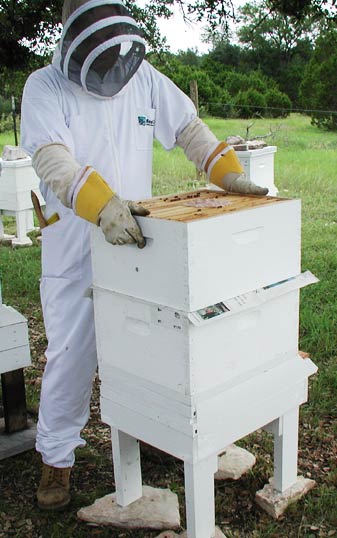
The “liquid gold” only accounts for a small percentage of the bee economy; in the U.S., honeybees are primarily used to cultivate plant production, including fruit, vegetables and nuts. You may imagine bees freely coming and going from hives, pollinating nearby crops and keeping ecosystems healthy. On a local level, that’s true. But in a world of concentrated animal feeding operations and genetically modified crops, Big Ag has managed to make the poor little honeybee just another cog in the factory farm system.
Beekeepers who want to squeeze as much profit as possible from their colonies don’t want to share the sweet stuff, but if they take all the honey, what will their bees eat to keep producing more? So, they pull a bait-and-switch, taking the honey and replacing it with sugar water or high fructose corn syrup.
If you thought high fructose corn syrup was bad for humans, there’s evidence that it’s just as bad (or worse) for bees. Last year, a study found that, in warm temperatures, high fructose corn syrup can form a substance that’s deadly to bees. Some researchers believe this contributes to Colony Collapse Disorder, the mystery disease that’s killed off at least one-third of America’s honeybee population. But it’s cheap. And like any other factory farm, the opportunity to cut corners gets commercial beekeepers buzzing.
Without bees to pollinate crops, we’d lose about 1/3 of the food we eat.
In addition to the health issues, it’s pretty unethical to hog the honey and replace it with an unnatural food. In an interview with Grace Pundyk, author of the The Honey Trail, NPR’s Diane Rehm summed up the practice as going in after the insects have done the hard work, and “taking all the honey from the nest and then force-feeding these bees something else so they’ll continue to produce for us.” It would be like swooping in on a small farm at harvest time, stealing all their veggies and leaving them to subsist on a basket of potato chips.
Besides the honey theft, bees are rarely left in peace. They spend a good half the year on truck beds, being shipped around the country to pollinate whatever is in season. You know the issues surrounding livestock trucks, like the stress of travel and deadly highway traffic accidents? Same goes for bees. Earlier this year, a truck carrying about 17 million bees crashed, causing chaos on the interstate in Minnesota.
Like any other factory farmed animal, bees are pumped full of antibiotics and pesticides to minimize nature’s ability to get in the way of agriculture. When honey is harvested, it’s not exactly a scene from Winnie the Pooh. Bees are typically gassed so they (and their stingers) are incapacitated during collection. When the colony has run its course, the hives are often left out in the cold.
So make a resolution to help bees and have a sweet year.