HighestWelfare.Humane.Assured.GoodPractices.Vegetarian. Regenerative.Flexitarian.Lies...
What is the difference between No Welfare, High Welfare, and Highest Welfare when they all require animals to die? Only human comfort, NONE protect the actual animals. The most humane, ethical, and honest Webster-defined "welfare" is NOT exploiting animals - not using, not wearing, not eating, not killing - animals. The only meaningful position is vegan, everything else is just how humans euphemize animals' required suffering and violent deaths: no human exploits animals because they honestly believe that NOT exploiting animals is UNethical or INhumane.
Protest letter to the brutal festival at Nem Thuong Village, Vietnam, in which pig is cut in half

FROM FACEBOOK EVENT , PLEASE JOIN
BACKGROUND
Please protest the brutal festival at Nem Thuong village, Vietnam, in which a pig is drawn and butchered in half while fully conscious.
This is one Vietnamese festival that makes even non-animal lovers cringe.
Every year near Hanoi, thousands of people from the village and nearby villages will gather to smear the blood of the pig on their banknotes in the belief that it would bring luck in the new year. The festival is known as the most brutal in the country and is condemned by many, including some who called on the government to stop the festival.
WHOM TO CONTACT
Please copy and paste the below text and send it to the Government of the Socialist Republic of Vietnam using their contact form on their website (please note that for Title, I entered Ms, and I did not put anything it the “Choose File Content” and my message still went through):
http://www.vietnam.gov.vn/portal/page/portal/English/contact
You can also send an email to the embassy of Vietnam in your country, or to your country’s embassy in Vietnam. Email addresses can easily be found using the following online portal:
http://www.embassyworld.com/embassy/Vietnam/vietnam.htm
Use the following information for the embassy in US, other countries, please use the above link:
Embassy of Vietnam United States
1233 20th St NW, Suite 400
Washington, DC 20036
Tel: 202-861-0737
Hotline for Consular Affairs: 202-716-8666 or 202-739-1666
Fax: 202-861-0917
Click HERE for access to free faxing from your computer. No fax machine, registering, or credit card required. Please remember to confirm the fax via your email after submitting.
Emails
info@vietnamembassy.us (for general information)
vnconsular@vietnamembassy.us (for consular affairs)
SAMPLE LETTER COURTESY OF FACEBOOK
To Whom It Concerns,
I wish to express my deep concern about animal cruelty being conducted in the name of tradition in Vietnam.
On 28th of January 2012 – like every year – citizens at Nem Thuong village have celebrated their cruel festival during which a pig is brutally chopped into two. Every year, thousands of people from the village and nearby villages gather to smear the blood of the pig on their banknotes in the belief that it would bring luck in the new year. The festival is known as the most brutal in your country and is condemned by many, including some who called already on your government to stop the festival.
No one can adequately explain why these practices are carried out year after year – except to say they are “traditional”. This however is not a valid argument to continue these practices.
I urge the Government of Vietnam to abolish the above practice for the following reasons:
1. It hurts the animals – contrary to what many believe, animals suffer tremendously before and during such festivals.
2. It hurts us – cruelty against animals harms society as a whole; it signals and normalizes insensitivity in children who can become numb to the suffering of living beings. It is also known to influence certain people to commit violence to other humans.
3. It is bad for tourism – as tourists are abhorred by such practices, the festival will have an adverse effect on tourism, an industry which provides the country with much-needed financial returns. Those foreigners who experience or come to know of this practice leave Vietnam confused and with a heavy heart, rather than uplifted by its paradoxical beauty and friendliness.
I implore you to end these violent practice and help Vietnam move towards a truly peaceful country in keeping with its international image.
I trust that you will support these measures (which are becoming more widespread around the world) and thus promote non-violent cultural practices in Vietnam. Until such a time, however, I regret that it will be necessary to boycott Vietnam both as a tourist and by way of commerce and to encourage others to participate in a boycott as well.
Yours sincerely,
NAME and ADDRESS
PETITION
Please sign petition HERE
Read more…
Undercover Activists Rescue Ducks From Foie Gras Farms in CA and NY
From Eating Plants
Please see below for an action you can take against the restaurant Incanto that sells Foie Gras.
From The Sacramento Bee
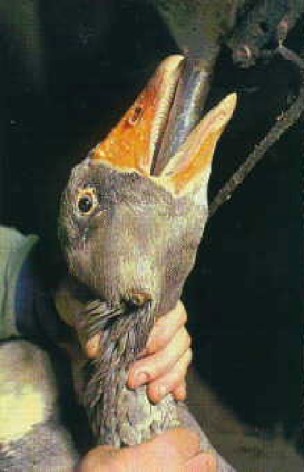
FARMINGTON, Calif. and FERNDALE, N.Y., Feb. 3, 2012 — /PRNewswire-USNewswire/ — Activists from the Animal Protection and Rescue League have once again penetrated security at the two main factory farms that force feed ducks in the U.S. to make the gourmet appetizer “foie gras,” or fattened liver.
The activists took video of conditions and rescued several ducks in both California and New York. “Hot in Cleveland” actress Wendie Malick narrated a video of the animal cruelty investigations, which is now posted at www.StopForceFeeding.com.
“These young activists took great personal risk to expose cruel conditions at these factory farms,” states Bryan Pease, an attorney for the group. “Activists who previously rescued ducks from these same locations were charged with felony burglary.”
Some of the video obtained includes footage from hidden cameras the activists installed to capture the actual force feeding process. Hudson Valley Foie Gras repeatedly claims their ducks do not try to escape the force feeding, but the undercover footage shows them huddling in the corner of their pens as a worker grabs them by the wings and shoves a large metal pipe down their throats.
In order to make their livers over 10 times their normal size and almost entirely fat, foie gras producers force feed the ducks massive quantities of food three times per day for almost a month. Many ducks do not survive the process, and the activists found trash barrels filled with dead ducks in both factory farms.
The animal cruelty investigation mirrors conditions found in 2002-2004 when APRL previously exposed the force feeding industry. A California statewide ban on sale and production of foie gras takes effect this July. Some chefs opposed to the ban have been claiming the ducks “go to the feeders.” An investigative reporter recently confronted a chef who claimed this, and the chef was unable to back up this statement with any evidence:
http://iteamblog.abc7news.com/2012/02/ducks-want-to-be-force-fed.html
According to APRL, less than a tenth of a percent of all restaurants in the U.S. serve foie gras. Over 100 restaurants in California have removed the item without waiting for the ban to take effect, and only about 300 restaurants in the state are still serving it. The cities of Los Angeles, San Francisco, San Diego, West Hollywood, Berkeley, Carlsbad and Solana Beach have all passed resolutions in support of the statewide ban.
More info is online at www.StopForceFeeding.com.
Vodpod videos no longer available.
WHAT YOU CAN DO | FROM STOP FORCE FEEDING
Chris Cosentino and Mark Pastore are fanatical promoters of foie gras and routinely lie about how it is produced. Please contact them at Incanto Restaurant, 1550 Church St., San Francisco, CA 94131 / 415-641-4500 / reserve@incanto.biz and let them know the public does not support animal cruelty!
WHOM TO CONTACT
Incanto Restaurant
1550 Church St.
San Francisco, CA 94131
Phone: 415-641-4500 (Please note I was unable to confirm this information – the phone maze disallowed contact with a live person.)
Email: reserve@incanto.biz
SAMPLE LETTER
Dear Mr. Cosentino and Mr. Pastore,
I am shocked to learn that Incanto continues to serve foie gras despite continual protest and upcoming law against this barbaric food. Surely you are aware of the cruelty involved to create foie gras, and your continual offering of it leaves me appalled.
Incomprehensibly, these animals savagely used for foie gras are granted no protections under any humane standards; in fact, this is one of the most heinous and violent methods of animal-food production. This is such an inherently painful and cruel practice that many countries and other cities have banned its production. In fact, as much as it gives me great distress, allow me to share with you footage of foie gras production:
http://www.youtube.com/watch?v=1Ozws-u4xb0
You are obviously familiar with how animals are treated as demonstrated above, yet you remain ambivalent. You must know that animals are sentient creatures, capable of thought, emotion, and suffering, and to knowingly enable and encourage such exploitation merely for an unnecessary menu item is appalling.
As such, I respectfully request you please reconsider and make the compassionate and ethical decision to ban foie gras from Incanto. You may be interested to know that many establishments recently removed foie gras from their menus, and I would love to inform my friends and colleagues that you have joined them. Indeed, you would be joining an ever-increasing number of eating establishments and people who have also rejected this torture by eliminating foie gras. Until such a time, however, I maintain the only ethical decision is to promote a boycott of your establishment and visiting instead the ones that have removed foie gras already.
I look forward to a positive response, however, so that I may visit Incanto once again.
Sincerely,
NAME
Read more…
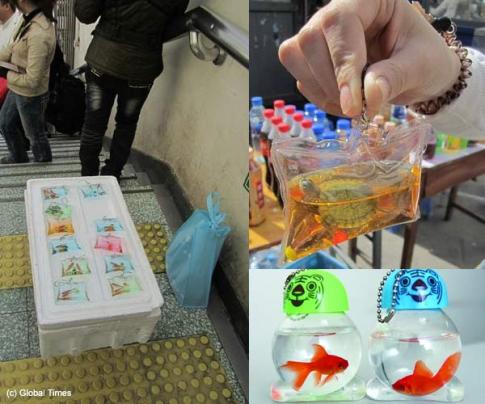
FROM FACEBOOK EVENT
Anyone wishing to express their feelings over the live animals being sold as key rings can write or email the Chinese President (Leader) on the links below.
WHOM TO CONTACT
His Excellency, Hu Jintao
President of the People’s Republic of China
9 Xihuang-Chenggen Beijie
Beijing, Peoples Republic of China
Email: info@cppcc.gov.cn, info@china.org.cn
SAMPLE LETTER
Dear Excellency and Those Concerned,
It has come to my attention that you have created a novelty item by putting live animals in key chains, and I am respectfully requesting you use your influence to cease offering them.
Please allow me to elaborate. The victims are complex animals who experience suffering and joy, and who also have the capacity to nurture complex relationships and display grief upon separation. Furthermore, despite an almost-universal apathy towards their sensitivity, these animals indeed experience pain and react negatively towards stressful situations including loud noises, lights, enclosures, and disturbed environments. Although consumers may find this amusing, it is indeed a painful and terrifying experience for the animals.
Please take this opportunity to express compassion and empathy for our animal friends and decide to help rather than harm them by discontinuing the live animal key chains.
Thank you for taking the time to read this urgent appeal.
NAME
Vodpod videos no longer available.
Please click on and sign automatic message HERE
Background | From IDA
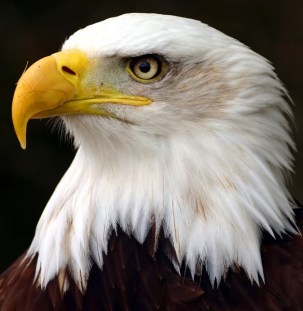
The U.S. Fish and Wildlife Service is planning to award the first permit for the “take” – killing or disturbance – of eagles at West Butte Wind Power’s proposed wind turbine site in Oregon. There are several golden and bald eagle nests within ten miles of the wind turbines, creating what USFWS calls a “high to moderate risk” of death or injury to the eagles.
Although transitioning to renewable energy is critically important, we shouldn’t pursue projects in a way that endangers the wildlife we are trying to protect. Click here to send a message to the Fish and Wildlife Service – ask them to deny the permit until West Butte Wind Power commits to preventive measures like radar or deterrents to keep eagles out of harm’s way.
Message Text
Dear [Decision Maker],
I am writing to recommend that the US Fish and Wildlife Service deny West Butte Wind Power’s permit application as it is currently written in order to comply with the 2009 Eagle Permit Rule (50 CFR 22.26).
Any programmatic take permit that does not require the immediate institution of basic preventive measures such as visual or acoustic deterrents fails to meet the issuance criterion in 50 CFR 22.26 that the project plan “(a)void and minimize take to the maximum degree achievable.”
West Butte Wind Power deserves a great deal of credit for voluntarily submitting the first permit application of its kind and committing to many progressive conservation and compensatory mitigation measures. While there is an impressive array of such measures listed, the lack of deterrents is a conspicuous and significant omission. Fortunately, this omission should be easy to correct in a future draft of the permit application.
For instance, all the turbine blades could be painted before the turbines are operational rather than after a certain mortality quota has been met. Preliminary studies suggest that the color purple attracts fewer insects, and therefore fewer bats, to turbine locations. There are several other collision prevention measures which could be used, including some mentioned in the permit application’s supporting documents, like a radar detection system that could temporarily stop turbines when wildlife enter the immediate area.
While I support the development of renewable energy infrastructure, I cannot support any project that treats the preventable killing of protected wildlife as an acceptable loss. Please deny this version of the permit application in order to comply with 50 CFR 22.26 and give the neighboring wildlife the highest protection afforded by the law. Such a commitment on the part of the US FWS and WBWP will set a strong precedent for future wind power projects.
Thank you for your time.
Read more…
Bobcat Trapped and Tortured: Please Send Automatic Message
Please click on and sign and send automatic letter HERE
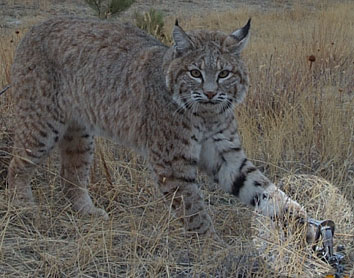
An attorney who posts pictures of himself with the cougars and other wildlife he kills online has posted a video he took of a bobcat that he caught in a leg hold trap. In the video he is repeatedly jerking the chain of the leg hold trap, which has snapped shut on the arm of a bobcat, and it appears to be wrenching the bobcat’s arm out of his shoulder socket.
He is on the tape urging his dog to attack, saying “Get ’em boy! Sic ’em!” The bobcat is trying his best to defend himself against the dog, who is barking wildly, but appears afraid to make contact. The man on the other end of the chain is apparently trying to lure the dog into attacking by pulling the bobcat around like a toy. When questioned, the hunter/trapper reportedly said he was not mistreating either animal, but that the purpose of having posted his video online is a “training video for other trappers to show them how to train their dogs…”
What is even more horrendous is that this man, Tracy Truman, is County Commissioner Tom Collins appointee to the Advisory Board to Manage Wildlife. When public outrage over the YouTube video became loud enough, Fox News ran the story and interviewed Commissioner Tom Collins who said, “it is no different than someone pulling on their dog’s leash.” If Commissioner Collins thinks there is no difference between the way people he knows walk their dogs and someone jerking around a wild bobcat by a leg that was probably broken by the impact of the trap and most likely jerked out of its socket from Tracy Truman thrashing the bobcat around on the end of the leash, then Nevada needs a new Commissioner too.
And, perhaps even worst of all, is that Mike McBeath, Chairman of the Board of Wildlife, seemed to be clueless as to what constitutes brutality when he responded saying, “I think what I worry about the most, being a sportsman, when the public sees something like that, is that they’re more focused on looking at the cat in the trap, as opposed to what Tracy was really trying to do.”
Please ask that Tracy Truman be dishonorably discharged from serving on the Wildlife Advisory board and that he be prosecuted to the fullest extent of the law if it is found that this qualifies as “harassing” wildlife, which is illegal in Nevada.
Please ask that Tom Collins be discharged from his duties as a Wildlife Commissioner as it would appear that he has no regard for protecting wildlife.
Please ask that Mike McBeath be discharged from his duties as a the Chairman of the Board of Wildlife as it would appear that he has no regard for protecting wildlife either.
Last, but not least, we make it easy for you to also include the Governor of Nevada so that you can ask him to appoint people to the Wildlife Commission from entities such as the Audubon Society and the Humane Society of the United States so that the laws enacted to protect wildlife, really can be humanely enforced. There is no reason, in today’s society, to allow leg hold traps or the sport hunting of exotic cats.
If you got this alert via email and the Take Action links are not enabled by your email program, please cut and paste the following URL into your browser bar to get to the online form: http://capwiz.com/bigcatrescue/issues/alert/?alertid=6068…
Read more…
Your company is involved in the transportation of primates for research: send sample letter in protest

FROM FACEBOOK
WHOM TO CONTACT
Email block:
responsabilidade.social@tam.com.br , tamimprensa@tam.com.br
Individual:
TAM Linhas Aéreas
Av Jurandir, 856 – Lote 4 (Jardim Ceci)
Sao Paulo 04072 – 000
Brazil
SAMPLE LETTER
To Whom It Concerns,
I was shocked to learn that the BUAV has uncovered a new airline involved in the transportation of primates for research. Last year, your company, Brazil’s and Latin America’s largest airline, TAM Linhas Aéreas, flew eleven marmoset monkeys from Brazil to the University of Nebraska in the USA.
Thousands of primates are transported by airlines hundreds of miles around the world for the international research industry. Some are trapped in the wild and cruelly ripped from their family groups, whilst others are bred in captivity and confined on large-scale farms.
It is unacceptable that these sensitive animals are then subjected to the stress of being packed into small crates and shipped as cargo on your airline to end up in laboratories where they will suffer in experiments.
In recent years, an increasing number of airlines have stopped their involvement in the transportation of monkeys destined for research purposes, including in the past months American Airlines, Caribbean Airlines, and IBC Airways.
The BUAV has highlighted the animal welfare concerns associated with the transportation of primates. Monkeys can endure delays, poor ventilation, noise and temperature fluctuations.
Over the years, incidents have taken place around the world where these individuals have suffered greatly or even died during their shipment to laboratories.
Conditions that resulted in the death or euthanasia of monkeys imported into the United States during 2009 included pneumonia, enteritis, gastroenteritis, dehydration, weight loss, poor body condition, and bacterial infection.
Other reported incidents graphically illustrate the trauma experienced by these sensitive animals during their transportation on airlines.
Animals in laboratories endure extreme suffering in cruel and scientifically pointless experiments, including being forced to inhale noxious gasses, being force-fed chemicals, and injected with poisons, before being left to suffer and die with minimal care or consideration for their needs.
I urge you to end your involvement in the cruelty and suffering that is intrinsically linked to the trade in primates for research. Please implement a policy as a matter of urgency to stop any future shipments of this type.
I know your time is limited and I thank you for your attention to this urgent issue.
NAME
Read more…
URGENT: Goldfish Desperately Need Your Voice Again

BACKGROUND
Experts know that fish are complex beings who have personalities, form bonds, and have a large capacity for suffering. Hoping to draw in customers, Denver restaurant The Bar is offering “goldfish shots,” in which bartenders serve patrons shots of liquor containing live goldfish, and “goldfish races,” during which patrons armed with water bottles or water guns blast the animals down tracks made of plastic gutters. Such cruel activities are undoubtedly terrifying for these tiny, defenseless animals who have no means of escape.
Please politely ask The Bar to stop this cruelty. Urge management to explore other activities that don’t cause suffering—and please forward this alert far and wide! These fish need your voice now!
WHOM TO CONTACT
Email Block
ray@itsthebar.com , phil@itsthebar.com
Individual
Ray Rodriguez
General Manager
The Bar
554 S. Broadway
Denver, CO 80209
303-733-0122
ray@itsthebar.com
Phil Vilotti
Bookings
phil@itsthebar.com
SAMPLE LETTER
Dear Mr. Rodriguez and Mr. Vilotti,
It has come to my attention that you have created a drink using live fish: a live fish is put in a shot for the patron to drink, and I am respectfully requesting The Bar cease offering a live fish shot as well as the cruel event “goldfish races”.
Please allow me to elaborate. Fish are complex animals who experience suffering and joy, and who also have the capacity to nurture complex relationships and display grief upon separation. Furthermore, despite an almost-universal apathy towards their sensitivity, fish indeed experience pain and react negatively towards stressful situations including loud noises, lights, enclosures, and disturbed environments. Although patrons may find this amusing and a chance to demonstrate bravado to others, it is indeed a painful and terrifying experience for the fish.
Please take this opportunity to express compassion and empathy for our animal friends and decide to help rather than harm them by discontinuing the fish drink and race.
Thank you for taking the time to read this urgent appeal.
NAME
Read more…
Contact South Carolina Governor Nikki Haley to end pigeon shoots
BACKGROUND | FROM ALL CREATURES
SHARK is calling on South Carolina Governor Nikki Haley to use her authority to shut down what we believe is an illegal live pigeon shoot to be held at the Broxton Bridge Plantation, in Ehrhardt, South Carolina.
In a letter sent to her office today, SHARK states that we believe these shoots are a violation of S.C. Code Ann. ß 47-1-70 (2011), which makes it illegal to “abandon” any animal by “deserting, forsaking, or intending to” give up an animal “without securing another owner or without providing the necessities of life.” An “animal” under the South Carolina animal cruelty laws clearly includes pigeons because “animal” is defined as “a living vertebrate creature except a homo sapien.”
Every time a captured or hand raised pigeon is put into a box and launched into the air so they can be shot at for fun, that’s abandonment. Furthermore, it has been our experience, after documenting dozens of pigeon shoots, that a large percentage of birds escape and fly away. Most of those birds are wounded and may take hours or even days to die. We believe that this absolutely is abandonment under South Carolina law.
If Governor Haley fails to do the right thing, SHARK investigators will be at the Broxton Bridge Plantation all four days and will ask that cruelty charges be filed against the plantation and individual shooters.
SHARK has also sent out a nationwide alert asking people to contact Governor Haley, and today we’ve launched an online petition as well.
The people of South Carolina need to know what is going to happen in their state, and their Governor needs to stand up for the law and shut it down before it starts.
WHOM TO CONTACT
Governor Nikki Haley
Office of the Governor
1205 Pendleton Street
Columbia, SC 29201
phone (803) 734-2100
fax (803) 734-5167
Click HERE for access to free faxing from your computer. No fax machine, registering, or credit card required. Please remember to confirm the fax via your email after submitting.
Online Webform:
http://governor.sc.gov/Pages/SendMessage.aspx
SAMPLE LETTER
Dear Governor Haley,
I am greatly disturbed to learn that Broxton Bridge Plantation, in Ehrhardt, South Carolina, is hosting the savage slaughter of thousands of pigeons for entertainment in a pigeon shoot. Indeed, I have even witnessed footage of such events, with severely injured and dying birds thrown in piles, casually ignored, in obvious states of agony, following such a primitive and reckless game.
Furthermore, it is my understanding that this type of “sport” is against the law: these shoots are in violation of S.C. Code Ann. ß 47-1-70 (2011), which makes it illegal to “abandon” any animal by “deserting, forsaking, or intending to” give up an animal “without securing another owner or without providing the necessities of life.” An “animal” under the South Carolina animal cruelty laws clearly includes pigeons because “animal” is defined as “a living vertebrate creature except a homo sapien”. This repeatedly sanctioned exploitation of animals is an unacceptable practice, and I therefore respectfully request you uphold the law and subsequently cease these events immediately.
However, as long as South Carolina supports the torture of animals, complicit in their abuse and death, I will discontinue visiting as a tourist and will share this information with friends, family, colleagues, and online social networks. It is important to accept that, what is indeed valuable, is the life itself and the capacity to experience emotion and suffering. Please observe this basic moral principle and act with justice rather than react with cruelty and cease these illegal pigeon shooting events.
I understand your time is limited and I thank you for your attention to this important issue.
NAME
ADDRESS
Read more…
Urge Danish Designer ‘By Malene Birger’ to Go Fur-Free
Please click on and send automatic message: Urge Danish Designer ‘By Malene Birger’ to Go Fur-Free
From PETA
Despite knowing that the killing of animals for their fur is a violent, bloody and cruel industry in which millions of animals endure tremendous suffering, Danish designer brand By Malene Birger continues to use fur in its collections.
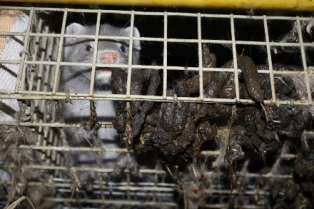
Animals on fur farms spend their entire lives confined to cramped, filthy wire cages, where they are exposed to all weather conditions. They often go without adequate shelter, clean water and veterinary care, and they are denied the opportunity to engage in natural behaviours. The intensive confinement causes many of them to go insane.
But By Malene Birger has made the cruel decision to continue using the skins of dead animals in its clothing lines.
Many leading designers have dropped all fur from their collections, including Stella McCartney, Vivienne Westwood, Ralph Lauren, Calvin Klein and Tommy Hilfiger.
Speak up to help prevent animals from being killed for their fur. E-mail By Malene Birger and ask the brand to make the compassionate decision to go fur-free.
Read more…
URGENT: Help Stop Bull Torture ‘Festival’ in Mexico

BACKGROUND
Every year on February 1 in Tlacotalpan—a city in the Mexican state of Veracruz—bulls are horrifically tortured during the “Fiesta de la Virgen de la Candelaria” festival. Liquor is poured down the bulls’ throats, and the animals are tied to boats and dragged across a river before being set loose in the streets. Participants then chase and beat the terrified animals and stab them with bats and knives. The torture continues for hours as drunken residents throw bricks and trash at the animals, kick and punch them, and cut off their ears. Surviving bulls are then turned out to pasture, no doubt left to suffer from their injuries. For photos of this barbaric event, click here. The festival runs through February 9 and also includes gruesome chicken fights and horse races.
Despite a ban put in place in 2006 by the governor of Veracruz, the festival continues. Furthermore, the United Nations Educational, Scientific and Cultural Organization (UNESCO) has named Tlacotalpan a “World Heritage Site,” a prestigious title given to locations of cultural or physical significance.
Please contact city and state officials and urge them to ban this bloody and sadistic “tradition.” Ask UNESCO to revoke Tlacotalpan’s World Heritage Site status in light of this shameful event, and let Mexican tourism officials know that you will not travel to Tlacotalpan or Veracruz until this horrifying festival is brought to an end.
Send polite comments to the below contacts.
WHOM TO CONTACT
Email block
k.grigsby@unesco.org , javier.duarte@congreso.gob.mx , tlaco2005_2007@hotmail.com , secretaria@sectur.gob.mx , turismo@df.gob.mx , wh-info@unesco.org
Individual
Katherine Grigsby
Director
UNESCO Mexican Delegation
k.grigsby@unesco.org
The Honorable Javier Duarte de Ochoa
Governor of Veracruz
javier.duarte@congreso.gob.mx
The Honorable Esperanza Burela Villegas
Mayor of Tlacotalpan
tlaco2005_2007@hotmail.com
The Honorable Gloria Guevara Manzo
Minister of Tourism of Mexico
secretaria@sectur.gob.mx
The Mexico Tourism Board
turismo@df.gob.mx
UNESCO World Heritage Center, Paris
wh-info@unesco.org
SAMPLE LETTER
Dear Director Grigsby, Honorable de Ochoa, Villegas, and Manzo, and those to whom it concerns:
I am writing today to share my disturbance regarding the ritual “Fiesta de la Virgen de la Candelaria”, which is scheduled to occur in early February. I have learned that this event is characterized by the methodical torture and potential slaughter of bulls by participants. During this event, bulls are systematically brutalized, their ears ripped off and bodies subjected to liquor, kicking, punching, bats, knives, and other methods of torment. This unremitting torture is inflicted on the bull while he is fully conscious, subjecting him to what can only be considered excruciating pain and prolonged suffering: death typically does not occur for days as surviving bulls are set to pasture with their injuries. With utmost respect, I plea with you to intervene to cease this animal cruelty.
This event is considered a cultural tradition, a celebration of heritage and a demonstration of courage and strength. While I would never embrace such an egotistical belief that my opinions take precedent over established and sacred customs, any “tradition”, however, that is built on a foundation of extreme animal cruelty, exploitation, and suffering, and which inflicts pain and fear on innocent, sentient animals, is neither justified, nor an expression of historical or residential pride. There can be no honor amongst those who condemn animals to such depraved actions substantiating my disturbance that such animal cruelty is perpetuated by the inaccurate conviction that this ritual is based on cultural significance. Violence, however, only breeds more violence: when animal cruelty is received with cultural tolerance, both violence and acceptance escalates, the result of which is societal impunity towards human suffering.
As such, I, along with a global contingent of concerned citizens, respectfully request that you cease this cruel event. Until such a time as this event is banned, however, I will not consider traveling to visit Veracruz or your city, and I will share this boycott request with friends, colleagues, and online social groups. Please provide your voice for others to observe their obligatory duty and responsibility by protecting animals, not condoning their torture; your ethical gesture of compassion would serve as an international model of empathy.
Thank you for your time and attention to this urgent issue.
NAME
Read more…
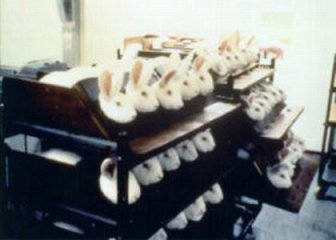
50 Deadly Consequences of Lab Animal Experiments
Related, please click on and sign Ask Wayne State University to Halt Inhumane Dog Experiments
Source Vivisection Information Network
1.Smoking was thought non-carcinogenic because smoking-related cancer is difficult to reproduce in lab animals. Many people continued to smoke and to die from cancer.[2]
2.Benzene was not withdrawn from use as an industrial chemical despite clinical and epidemological evidence that exposure caused leukemia in humans, because manufacturer-supported tests failed to reproduce leukemia in mice.[1]
3.Animal experiments on rats, hamsters, guinea pigs, mice, monkeys, and baboons revealed no link between glass fibers and cancer. Not until 1991, due to human studies, did OSHA label it carcinogenic.[3][4][5]
4.Though arsenic was a known human carcinogen for decades, scientists still found little evidence in animals to support the conclusion as late as 1977.[6] This was the accepted view until it was produced in lab animals.[7][8][9]
5.Many continued to be exposed to asbestos and die because scientists could not reproduce the cancer in lab animals.
6.Pacemakers and heart valves were delayed in development because of physiological differences between animals they were designed on and humans.
7.Animal models of heart disease failed to show that a high cholesterol/high fat diet increases the risk of coronary artery disease. Instead of changing their eating habits to prevent the disease, people continued their lifestyles with a false sense of security.
8.Patients received medications that were harmful and/or ineffective due to animal models of stroke.
9.Animal studies predicted that beta-blockers would not lower blood pressure. This withheld their development. [10][11][12] Even animal experimenters admitted the failure of animal models of hypertension in this regard, but in the meantime, there were thousands more stroke victims.
10.Surgeons thought they had perfected radial keratotomy, surgery performed to enable better vision without glasses, on rabbits, but the procedure blinded the first human patients. The rabbit cornea is able to regenerate on the underside, whereas the human cornea can only regenerate on the surface. Surgery is now performed only on the surface.
11.Combined heart lung transplants were also “perfected” on animals, but the first 3 patients all died within 23 days.[13] Of 28 patients operated on between 1981 and 1985, 8 died peri-operatively, and 10 developed obliterative bronchiolitis, a lung complication that the experimental dogs did not get. Of those 10, 4 died and 3 never breathed again without the aid of a respirator. Obliterative bronchiolitis turned out to be the most important risk of the
operation.[14]
12.Cyclosporin A inhibits organ rejection, and its development was watershed in the success of transplant operations. Had human evidence not overwhelmed unpromising evidence from animals, it would never have been released.[15]
13.Animal experiments failed to predict the kidney toxicity of the general anesthetic methoxyflurane. Many people lost all kidney function.
14.Animal experiments delayed the use of muscle relaxants during general anesthesia.
15.Research on animals failed to reveal bacteria as a cause of ulcers and delayed treating ulcers with antibiotics.
16.More than half of the 198 new medications released between 1976 and 1985 were either withdrawn or relabeled secondary to severe unpredicted side effects.[16] These side effects included complications like lethal dysrhythmias, heart attacks, kidney failure, seizures, respiratory arrest, liver failure, and stroke, among others.
17.Flosint, an arthritis medication, was tested on rats, monkeys and dogs; all tolerated the medication well. In humans, however it caused deaths.
18.Zelmid, an antidepressant, was tested on rats and dogs without incident. It caused severe neurological problems in humans.
19. Nomifensine, another antidepressant, was linked to kidney and liver failure, anemia, and death in humans. Animal testing had given it a clean, side effect-free bill of health.
20. Amrinone, a medication used for heart failure, was tested on numerous animals and was released without trepidation. Humans developed thrombocytopenia, a lack of the type of blood cells that are needed for clotting.
21. Fialuridine, an antiviral medication, caused liver damage in 7 out of 15 people. 5 eventually died and 2 more needed liver transplants.[17] It worked well in woodchucks.[18][19]
22.Clioquinol, an antidiarrheal, passed tests in rats, cats, dogs and rabbits. It was pulled off the shelves all over the world in 1982 after it was found to cause blindness and paralysis in humans.
23. Eraldin, a medication for heart disease, caused 23 deaths despite the fact that no untoward effects could be shown in animals. When introduced, scientists said it noted for the thoroughness of the toxicity studies on animals. It caused blindness and deaths in humans. Afterwards, scientists were unable to reproduce these results in animals.[20]
24. Opren, an arthritis medication, killed 61 people. Over 3500 cases of severe reactions have been documented. Opren had been tested on monkeys and other animals without problems.
25. Zomax, another arthritis drug, killed 14 people and caused many more to suffer.
26. The dose of isoproterenol, a medication used to treat asthma, was worked out in animals. Unfortunately, it was much too toxic for humans. 3500 asthmatics died in Great Britain alone due to overdose. It is still difficult to reproduce these results in animals.[21][22]
[23][24][25][26]
27. Methysergide, a medication used to treat headaches, led to retroperitoneal fibrosis, or severe scarring of the heart, kidneys, and blood vessels in the abdomen.[27] Scientists have been unable to reproduce this in animals.[28]
28. Suprofen, an arthritis drug, was withdrawn from the market when patients suffered kidney toxicity. Prior to its release researchers had this to say about the animal tests:[29][30] “…excellent safety profile. No …cardiac, renal, or CNS [central nervous system] effects in any species.”
29. Surgam, another arthritis drug, was designed to have a stomach protection factor that would prevent stomach ulcers, a common side effect of many arthritis drugs. Although promising in lab animal tests, ulcers occurred in human trials.[31][32]
30. Selacryn, a diuretic, was thoroughly tested on animals. It was withdrawn in 1979 after 24 people died from drug induced liver failure.[33][34]
31. Perhexiline, a heart medication, was withdrawn when it produced liver failure that had not been predicted by animal studies. Even when they knew they were looking for a particular type of liver failure, they could not induce it in animals.[35]
32. Domperidone, designed as a treatment for nausea and vomiting, made human hearts beat irregularly and had to be withdrawn. Scientists were unable to reproduce this in dogs even with 70 times the normal dose.[36][37]
33. Mitoxantrone, a treatment for cancer produced heart failure in humans. It was extensively tested on dogs, which did not manifest this effect.[38][39]
34. Carbenoxalone was supposed to prevent formation of gastric ulcers but caused people to retain water to the point of heart failure. After scientists knew what it did to humans they tested it on rats, mice, monkeys, rabbits, without reproducing this effect. [40][41]
35. Clindamycin, an antibiotic, causes a bowel condition called pseudomenbraneous colitis. It was tested in rats and dogs every day for one year. They tolerate doses 10 times greater than humans.[42][43][44]
36. Animal experiments did not support the efficacy of valium-type drugs during development or after.[45][46]
37. Pharmacia & Upjohn discontinued clinical tests of its Linomide (roquinimex) tablets for the treatment of multiple sclerosis after several patients suffered heart attacks. Of 1,200 patients, 8 suffered heart attacks as a result of taking the medication. Animal experiments had not predicted this.
38. Cylert (pemoline), a medication used to treat Attention Deficit Hyperactive Disorder, caused liver failure in 13 children. Eleven either died or needed a liver transplant.
39. Eldepryl (selegiline), a medication used to treat Parkinson’s disease, was found to induce very high blood pressure. This side effect has not been seen in animals, where it is used to treat senile dementia and endocrine disorders.
40. The diet drug combination of fenfluramine and dexfenfluramine was linked to heart valve abnormalities and taken off the market although animal studies had never revealed heart abnormalities.”[47]
41. The diabetes medication troglitazone, better known as Rezulin, was tested on animals without significant problems, but caused liver damage in humans. The company admitted that at least one patient had died and another had to undergo a liver transplant as a result.[48]
42. The plant digitalis has been used for centuries to treat heart disorders. However, clinical trials of the digitalis-derived drug were delayed because it caused high blood pressure in animals. Human evidence overrode. As a result, digoxin, an analogue of digitalis, has saved countless lives. Many more could it have survived had digitalis been released sooner.[49][50][51][52]
43. FK 506, now called Tacrolimus, is an anti-rejection agent that was almost shelved before proceeding to clinical trials due to severe toxicity in animals.[53][54] Animal studies suggested that the combination of FK 506 with cyclosporin might prove more useful.[55] In fact, just the opposite proved true in humans.[56]
44. Animal experiments suggested that corticosteroids would help septic shock, a severe bacterial infection of the blood.[57][58] Unfortunately, humans reacted differently. This treatment increased the death rate in cases of septic shock.[59]
45. Despite the ineffectiveness of penicillin in his rabbits, Alexander Fleming used the antibiotic on a very sick patient since he had nothing else to try. Luckily, Fleming’s initial tests were not on guinea pigs or hamsters, it kills them. Howard Florey, the Nobel Prize winner credited with co-discovering and manufacturing penicillin, stated: “How fortunate we didn’t have these animal tests in the 1940s, for penicillin would probably never been granted a license, and possibly the whole field of antibiotics might never have been realized.”
46. Fluoride was withheld as a cavity preventative initially because it caused cancer in rats.[60][61][62]
47. The notoriously dangerous drugs thalidomide and DES were tested in animals and released. Tens of thousands suffered and died as a result.
48. Animal experiments misinformed researchers about how rapidly HIV replicates. Based on this false information, patients did not receive prompt therapies and their lives were shortened.
49. Animal-based research delayed the development of the polio vaccine, according to Dr. Albert Sabin, its inventor. The first rabies and polio vaccines worked well on animals but crippled or killed the people who tried them.
50. Researchers who work with animals have succumbed to illness and death due to exposure to diseases that though harmless to the animal host (such as Hepatitis B) but kill humans.
Time, money, and resources devoted to these experiments could have gone to human-based research. Clinical studies, in vitro research, autopsies, post-marketing drug surveillance, computer modeling, epidemiology, and genetic research pose no hazard to humans and provide accurate results. Importantly, animal experiments have exhausted resources that could have been dedicated to educating the public about health hazards and health maintenance, therein diminishing the incidence of disease that require treatment.
ANIMAL EXPERIMENTATION DOES NOT MAKE SENSE
HUMAN-BASED SCIENCE PREVENTS DISEASE AND CREATES VALID THERAPIES
Americans for Medical Advancement
REFERENCES:
[1]Sax, N. Cancer-causing Chemicals Van Nostrand 1981
[2]Lancet, June 25, 1977 p1348-9
[3]The Guardian, July 20, 1991
[4]Occupational Lung Disorders, Butterworth 1982
[5]Toxicology & Industrial Health, 1990, vol.6, p293-307
[6] J Nat Cancer Inst 1969, vol.42, 1045-52
[7] Br J Cancer, 1947, vol.1, p 192-251
[8]Advances in Modern Toxicology, vol.2, Wiley, 1977
[9]H Nat Cancer Inst, 1962, vol.5, p 459
[10]Fitzgerald, D. The development of new cardiovascular drugs in Recent Developments in Cardiovascular Drugs eds. Coltart and Jewitt, Churchill Livingstone 1981
[11]Perspectives in Biology & Medicine, 1980 Part 2, S9-S24
[12]Pharmacy International Feb. 1986; p33-37
[13]Lancet, i, p 130-2, 1983
[14]Lancet, 1, no. 8480 p 517-9, March 8, 1996
[15]Annals of Internal Medicine 1984, vol.101, 667-682
[16]GAO/PEMD-90-15 FDA Drug Review: Postapproval Risks 1976-1985
[17]NEJM 333;1099-1105, 1995
[18]J NIH Res, 1993, 5, 33-35
[19]Nature, 1993, July 22, p 275
[20]Nature, 1982, April 1, p 387-90 and Br Med J, 1983, Jan 15, p 199-202 and Drug Monitoring, 1977 and Pharmacologist, 1964, vol. 6, p 12-26 and Pharmacology: Drug Actions and Reac and Advances in Pharm, 1963,
vol. 2, 1-112 and Nature, 1982, April 1, p 387-390
[21]Pharmacologist, 1971, vol.18, p 272
[22]Br J of Pharm 1969Vol. 36; p35-45
[23]Inman, W. H. Monitoring for Drug Safety, MTP Press, 1980
[24]Am Rev Resp Diseases, 1972, vol.105, p883-890
[25]Lancet, 1979, Oct.27, p 896
[26]Toxicology and Applied Pharmacology 1965, vol. 7; p1-8
[27]Animal Toxicity Studies: Their Relevance for Man, Quay Pub. 1990
[28]Br Med J, 1974, May 18, p 365-366
[29]Drug Withdrawl from Sale PJB Publications, 1988
[30]Pharmacology, 1983, vol.27(suppl 1), 87-94 and FDA Drug Review:
[31]Postapproval Risks 1976-1985 (US GAO April 1990
[32]Gut, 1987, vol.28, 515-518
[33]Lancet, Jan 10, 1987, 113-114
[34]Toxicolo Letters, 1991, vol.55, p 287-93
[35]Drug Withdrawl from Sale, PJB1988
[36]Reg Tox & Pharm,1990,vol.11,288-307 and Postgraduate Med J, 1973, vol.49, April Suppl., 125-129 and 130
[37]Drugs, 1982, vol.24, p 360-400
[38]Animal Toxicity Studies Quay, 1990
[39]Lancet, 1984, July 28, p 219-220
[40]Matindale: The Extra Pharmacopoeia, 29th edition, Pharmaceutical Press, 1989)
[41]Br Nat Form, no.26, 1993
[42]Reg Tox & Pharm, 1990, vol.11, p 288-307
[43]Br Med J, 1983, Jan 15, p 199-202
[44]Br Nat Form, no.26, 1993
[45]Tox & Appl Pharm, 1972, vol. 21, p 516-531
[46]The Benzodiazepines MTP Press1978
[47]Drugs and Therapeutics Bulletin,1989, vol.27, p 28 as quoted in Activate For Animals Oct. 1997 The American
Antivivisection Society
[48]Parke-Davis letter dated Oct. 31, 1996
[49]Sneader, W. Drug Discovery: The Evolution of Modern Medicine Wiley, 1985
[50]Lewis, T. Clinical Science Shaw & Sons Ltd. 1934
[51]Federation Proceedings 1967, vol.26, 1125-30
[52]Toxicology In Vitro 1992, vol.6, 47-52
[53]JAMA, 1990, April 4, p1766
[54]Lancet,1989, July 22, p 227
[55]Lancet, 1989, Oct 28, p1000-1004[56]Hepatology,1991, vol.13, 1259-1260
[57]Drugs and Therapeutics Bulletin, 1990, vol.28, p 74-75
[58]Anesthesiology: Proceedings of the VI World Congress of
[59]Anesthesiology, Mexico City 1977
[60]NEJM, 1987, Sep. 10, p 653-658
[61]The Causes of Cancer, 1981, Oxford Press
[62]J NIH Res, 1991, vol.3, p46
[63]Nature, 1991, Feb 28, p732
Companies that DO NOT TEST on animals
Companies that DO TEST on animals
See More:
Those who favor vivisection
Should try it
Being on the
Receiving end
Of their own
Chemical diet
Karen Lyons Kalmenson
Soap actor commits suicide after pup’s ‘forced’ euthanasia: breed discrimination takes two more lives
Source New York Post
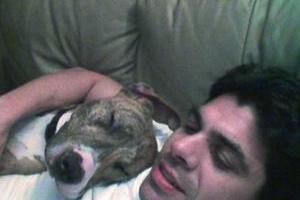
HOUNDED TO DEATH: After putting down his beloved pit pull Rocco amid pressure from his condo, Nick Santino took his own life.
Source: New York Post
By Josh Saul
A down-on-his-luck soap-opera actor took his own life this week after he was forced to put his beloved dog to sleep under pressure from his Upper West Side condo and became wracked by grief, pals said.
Nick Santino euthanized his dog, Rocco, Tuesday — on Santino’s 47th birthday. That night, his guilt over the gut-wrenching decision became too much to bear.
“Today I betrayed my best friend and put down my best friend,” a despondent Santino wrote in a suicide note, said close friend Stuart Sarnoff.
“Rocco trusted me and I failed him. He didn’t deserve this.”
The Brooklyn-born Santino — a struggling actor whose TV credits include All My Children and Guiding Light — adopted Rocco from a shelter several years ago.
The man, raised in an orphanage and foster homes, soon began to write about his pet on Facebook, writing, “I did not rescue Rocco, Rocco rescued me.”
But in 2010, his building at 1 Lincoln Plaza announced strict new dog regulations, including a ban on pit bulls. The ban didn’t apply to pit bulls already in the building, but friends and neighbors said Santino began to be harassed.
“People were complaining about his dog,” said neighbor Kevan Cleary, 63, an adjunct professor at Brooklyn Law School. “It was open season on him.”
Rocco couldn’t ride in the main elevators and wasn’t allowed to be left in the apartment alone for more than nine hours.
Santino was then threatened with a $250 fine for having a barking dog, neighbors said.
“The dog was not a barker, but somebody complained that the dog would bark,” Cleary said.
“He felt like he was in this battle because he was the only guy in the building with a pit-bull mix,” Cleary added.
Another neighbor, Lia Pettigrew, who runs a pet-care company, said, “Everybody knows that he had been harassed by the building management.”
The building’s management refused to comment yesterday.
After months of increasing anguish, Santino had the healthy dog put to sleep Tuesday.
Neighbors said a tearful Santino brought dog treats to the building’s doorman and said: “Give these to the other dogs. Rocco is no more.”
Dog owner James Steven Grant said Santino left two rawhide bones on his doorstep and earlier was seen tearfully giving away Rocco’s fluffy bed.
“Rocco was the sweetest dog in the world. Rocco wouldn’t hurt a fly,” Grant said.
Read more…
Five actions, please sign

Please click on and sign the following:
1.CareerBuilder: Stop using chimpanzees in Super Bowl ads
2. Tell Virginia That Dogs Are Not Livestock
3.Support Air Canada’s Decision to Stop Transporting Primates for Research
4.Don’t Let Obama Shut Out Endangered Species
5.Tell ‘Price Is Right’ Producers to Keep SeaWorld Out of Prize Packages
1. From Change
CareerBuilder is hurting chimpanzees, both captive and wild, with their irresponsible exploitation of chimps in their marketing campaigns over the years.
Responsible companies are creating innovative marketing campaigns with new computer generated imagery technology instead of real animals, but CareerBuilder continues to exploit live chimpanzees in their outdated ads that harken back to the mindless exploitation of the last century.
By using live chimpanzees for advertising, CareerBuilder supports an industry that hurts the chimps from the beginning of their lives when they are forceably taken away from their mothers, through their youthful isolation and often abusive training, to their final 40 or 50 years when they are discarded into sanctuaries without financial support.
Beyond the hurt done to these specific chimps, a public who laughs at zany and unnatural antics of costumed chimps is less likely to understand that chimpanzees are an endangered species that need protection.
In refusing to stop their use of chimpanzees, even though they know of the objections by animal welfare advocates, CareerBuilder commits tremendous harm to the “here and now” of the captive chimpanzees they’ve used in the past and the chimps they are using now, and the future (if it exists) of chimpanzees in the wild.
2. From Force Change
Target: Virginia State Lawmakers
Goal: Oppose the Virginia Bill which will classify dogs as livestock and deny them basic rights.
There is a bill currently awaiting passage in the Virginia Senate that would essentially classify dogs that are working, hunting, or show dogs as livestock. It will also give the Department of Agriculture 100% control over regulation of all livestock, and will bar intervention from any outside organizations (including humane societies). This means that no outside group will be legally allowed to help these animals if they are being neglected or treated in a cruel manner. Livestock are allowed by law to be subject to “traditional farm practices”, many of which are inhumane and being protested by animal rights organizations.
The bill defines “traditional farm practices” as follows: “Traditional farm practice” means an accepted and customary standard established by similar agricultural operations under similar circumstances, including notching, docking, tagging, dehorning, debeaking, shoeing, trimming, dubbing, castrating, penning, cooping, caging, tethering, herding, hauling, training, showing, and culling….
In other words, any working, hunting, or show dogs will now be subject to these horrible practices with no consequences for the perpetrators who will be protected fully under this bill. Currently, the Department of Agriculture’s staff consists of only one inspector and one veterinarian – hardly enough to ensure the well-being of thousands of animals.
The bill is scheduled to go before the Agriculture, Conservation, and Natural Resources Committee as early as January 26, 2012. It’s bad enough that livestock such as pigs and cattle suffer these “traditional farming practices”. We cannot allow dogs to be added to this list. Please petition Senator Black and let him know that you are opposed to classifying dogs as livestock.
3. From Change
Airlines play a key role in the international trade in primates for research by transporting monkeys for laboratories around the world. Cruelty and suffering are an intrinsic part of the trade. Some monkeys are taken from the wild; others are the offspring of wild-caught individuals forced into captivity for a lifetime of breeding. All are torn from their family groups, packed into small, wooden crates and shipped as cargo, usually on extremely long journeys.
Revelations by the British Union for the Abolition of Vivisection (BUAV) of Air Canada’s role in the transportation of primates for research led to widespread publicity and an international campaign supported by Change.org members, animal organisations and individuals around the world. As a consequence, Air Canada has made a decision to stop the transportation of such primates and filed an amended tariff to the Canadian Transportation Agency (CTA).
The airline stated: “It was a decision taken both to align our policies with those of many other major international carriers and in response to widespread public concern.”
Unfortunately, following a complaint, the CTA has now suspended Air Canada’s amended tariff pending a hearing on its proposed new policy.
Please support Air Canada’s decision and request the Canadian Transportation Agency recognise the strength of public feeling on this issue and allow Air Canada to align its policies with those of other major passenger airlines.
Primates are highly sensitive animals, so this treatment and the conditions they endure are extremely stressful for them. Some may become ill and even die in transit. Delays, poor ventilation, noise and temperature fluctuations can add to their misery.
Only a small number of passenger airlines continue to be involved in this grim business, including Air France, China Eastern Airlines, China Southern Airlines, China Air and Vietnam Airlines.
Read more about the BUAV Cargo Cruelty campaign and see a full list of airlines which do and do not transport non-human primates for research.
4. From Center for Biological Diversity
Right now, the Obama administration is accepting comments on a draft policy interpreting the phrase “significant portion of its range” (SPOIR), which specifies that if a species is at risk of extinction in any significant portion of range, it shall be protected.
This provision has played a key role in the recovery of the bald eagle, grizzly bear and many other iconic wildlife species, ensuring that animals and plants receive protection before they’re past the point of saving by providing protection to species in important parts of their home ranges.
The draft policy would limit species protection in two ways. First, it proposes that a portion of range would only be considered significant if loss of the species from that portion would threaten the species as a whole. This amounts to a regulatory sleight-of-hand that would effectively eliminate the SPOIR provision by making it largely synonymous with a species being at risk in all of its range.
Second, the policy says historic range will not be considered when determining whether a species is endangered in a significant portion of range. In effect, this calls for turning a blind eye to past losses of species, providing a perverse incentive to delay determinations of species’ status, so that they may go extinct in various portions of their range, which would then, in turn, no longer be considered for protection.
Please tell the Obama administration to scrap this disastrous policy proposal and develop one that will truly protect species when they are at risk in significant portions of range.
5. From PETA
We can’t help but wonder what veteran Price Is Right host and crusader for orcas Bob Barker would think of the popular game show offering contestants a free trip to SeaWorld—the same cruel park that he urged families to boycott last summer in a public service announcement for PETA. But despite SeaWorld’s notoriously awful record of animal care, that’s exactly what happened on a recent episode.
In the wild, dolphins and orcas swim up to 100 miles a day in the open ocean, have complex relationships, forage cooperatively, communicate using distinct dialects, and pass down cultural traits to their offspring. At SeaWorld, these intelligent and social animals, some of whom were violently taken from their homes and families as babies, are confined to pitifully small concrete tanks. Deprived of all that is natural to them, they are forced to learn circus-style tricks—and according to whistleblower tips from trainers, withholding food and isolating animals who refuse to perform are common training methods.
Read more…
URGENT: Ask Carson, California, to Reject Coyote Trapping Plan
BACKGROUND
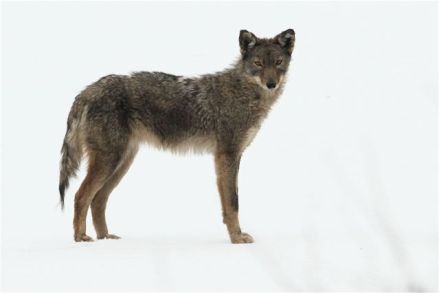
According to area residents, the city of Carson, California, is reportedly considering hiring a trapper to remove coyotes from the Carson Harbor Village Home Owners Association. The coyotes were reportedly attracted to the area by pet food that was carelessly left outdoors. The city may decide on this matter as soon as Monday, January 30!
Please remind officials that removing animals from the area will backfire, as remaining pack members will breed at accelerated rates in order to replace lost family members. Also, more animals will simply move in from outlying areas! Tell officials that lethal methods are extremely cruel, tearing families apart and leaving young animals vulnerable to death by starvation or dehydration. Inform them that relocation is inhumane, too, since relocated animals often cannot find reliable sources of sustenance and die of malnutrition or in territorial maulings.
Please politely urge the below officials to leave these coyotes alone! Ask them to focus on effective, humane methods instead, including containing food sources and modifying the area to make it unattractive to coyotes. And please, forward this e-mail widely!
WHOM TO CONTACT
Email block: please note you will have to “reply/send” to a few addresses for spam control
jdear@carson.ca.us , dbiggs@carson.ca.us , rcruz@carson.ca.us , myfrancisone@yahoo.com , lholmes@carson.ca.us , paul_randall@att.net
Individual
The Honorable Jim Dear
Mayor of the City of Carson
jdear@carson.ca.us
David Biggs
Carson City Manager
dbiggs@carson.ca.us
Raymond Cruz
General Manager, Public Services
City of Carson
rcruz@carson.ca.us
Please also contact the members of the Carson City Council using the following addresses: myfrancisone@yahoo.com and lholmes@carson.ca.us.
Paul Randall, President
Carson Harbor Village Homeowners Association
paul_randall@att.net
SAMPLE LETTER
Dear Honorable Dear, Managers Biggs and Cruz, President Randall, and City Council Members:
I have just learned that Carson, California, is reportedly considering hiring a trapper to remove coyotes from the Carson Harbor Village Home Owners Association. These coyotes were likely attracted to food carelessly left out by humans, and although this proposal is inherently cruel based on its premise alone, it is important to recognize it is based on erroneous information.
Please allow me to illustrate a few of these concerns. First, ecologically, populations will fluctuate according to conditions and naturally-occurring food sources; it is the interference of humans that causes imbalance. To blame coyotes for human carelessness regarding a food issue is both irresponsible and unjustified.
Second, removing the coyotes would artificially increase sources to the remaining animals, the consequence of which would be increased reproduction and an ensuing greater coyote population. In fact, studies have demonstrated that a continual cycle of seasonal hunting is responsible for a rebound, or larger pack populations, in subsequent years. Furthermore, relocated animals often cannot find reliable sources of sustenance and die of malnutrition or in territorial maulings.
Third, lethal methods are extremely cruel as well, tearing families apart and leaving young animals vulnerable to death by starvation or dehydration.
Please instead examine alternative, non-lethal options, including containing food sources and modifying the area to make it unattractive to coyotes, which have proven successful in curtailing populations.
I know your time is limited and I want to thank you each for your attention to this urgent matter.
NAME
Read more…
Don’t hurt my baby!
Related, please click on and sign We have the right to know what is in the products that we use and consume!
From Daily Mail
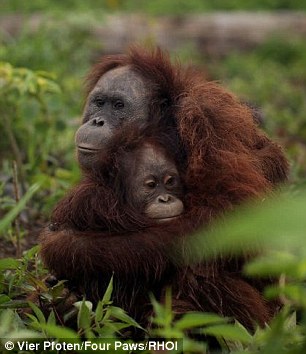
Don’t hurt my baby! Pregnant orang-utan protectively hugs her daughter as ruthless Borneo bounty hunters move in for the kill
• Pair saved at last minute by Brit-based animal rescue group
• Palm oil firms trying to clear plantations said to be offering £70 for each orang-utan killed on the Borneo palm oil plantations
As bounty hunters with bush knives entrapped them in a circle and moved in for the kill, the only thing this mother orang-utan could think to do was to wrap a giant protective arm around her daughter.
The pair seemed to be facing a certain death as a gang of hunters surrounded them in Borneo, keen to cash in on the palm oil plantations’ bid to be rideof the animals.
But, happily, a team from the British-based international animal rescue group Four Paws arrived in time to stop the slaughter and saved their lives.
The pregnant mother and daughter were captured and moved to a remote and safe area of the rainforest and released back into the wild – but not before the mother was equipped with a radio device so she and her young can be tracked to ensure they remain safe.
‘Our arrival could not have been more timely,’ said Dr Signe Preuschoft, a Four Paws primate expert.
‘A few minutes later and the orang-utans could have been dead.
‘We discovered a gang of young men surrounding them and both victims were clearly petrified.
‘The gang meanwhile were jubilant in anticipation of their rewards for catching and killing the animals. These massacres must not be allowed to continue.’
Before the rescue, a Four Paws team had scoured the area on the Indonesian side of Borneo, which is shared with Malaysia, but found no other orang-utans which had survived an earlier slaughter.
Deforestation has dramatically reduced their habitat and their numbers have dropped from 250,000 a few decades ago to only 50,000 in the wild.
And while the loss of their habitat by logging companies has created a major threat to their existence, a more brutal form of reducing their numbers has emerged in recent years – direct slaughter.
Palm oil is used in hundreds of products from chocolate to oven chips, but the demand for buying it at a low price has resulted in significant deforestation as habitats are being destroyed to make way for plantations.
Some palm oil companies see orang-utans as pests, a threat to their lucrative business, and have placed a bounty on their heads.
Company executives are reported to be offering up to £70 to employees for each orang-utan killed on the palm oil plantations.
While such stories were at first denied, proof of the slaughter emerged last September when graves and bones were found by investigators.
In an equally tragic scenario, babies left alive after adult orang-utans have been slaughtered have been put up for sale in the pet trade by hunters.
When traumatised babies are found by Four Paws and other animal rescue teams they are taken to a sanctuary and taught skills they will need in order to return to the wild.
Read more…