HighestWelfare.Humane.Assured.GoodPractices.Vegetarian. Regenerative.Flexitarian.Lies...
What is the difference between No Welfare, High Welfare, and Highest Welfare when they all require animals to die? Only human comfort, NONE protect the actual animals. The most humane, ethical, and honest Webster-defined "welfare" is NOT exploiting animals - not using, not wearing, not eating, not killing - animals. The only meaningful position is vegan, everything else is just how humans euphemize animals' required suffering and violent deaths: no human exploits animals because they honestly believe that NOT exploiting animals is UNethical or INhumane.
Walk gently
walk gently upon our precious earth,
spread love and goodness
a lifetime’s worth
share only what you wish
to receive
be forthright and decent
try not to deceive
avoid those who
by toxicity live
just keep on walking
away, as you forgive
do not look back
the past is done
point those feet forward
a new day has begun

Make The Connection 2022: New TV Advert
I always find it revealing how videos demonstrating the violent death required of ALL exploited animals, are typically restricted, labeled graphic, and warning of disturbing images, completely opposite to what the agriculture adverts and propaganda deceptively promote, but you’ll NEVER get an agriculture industry employee, supporter, representative, or apologist (ie, all who comprise >90% of the human population) provide the truth of the suffering and violence necessary of animals, who are denied all opportunity to defend their bodies, their children, their lives. Conversely, nobody-in-the-history-of-ever has restricted footage or images of crop harvesting or apple picking.
Don’t let the explicit content that you so effortlessly inflict on vulnerable, defenseless animals prevent your education and hypocritically challenge your ethics.
And for all the radical cat-and-dog extremists who vilify the cat-and-dog-meat trades and relentlessly share the graphic footage of dogs being butchered alive and cats being boiled while conscious: why are you so happy to participate in the same torture, torment, and cruelties inflicted on other animals?
The USA routinely boils chickens alive, as well as other animals including lobsters and crabs and pigs, whose flesh and body parts you piously pass around on your nice dinnerware; I think people spend so much time picking out china patterns because pretty plates and other weapons of destruction deflect from the required violence and suffering of those on them.
And before you virtuously scream about “quick, ethical killing”: killing is inherently unethical, regardless of method or place, you don’t kill animals because you actually believe NOT killing animals is UNETHICAL, there is NO form of killing that is more humane than NOT killing. All killing causes suffering and destroys life, which can NEVER be “ethical”. Why you think that your transient taste preference validates the END OF LIFE is the epitome of privilege, arrogance, hubris, and selfishness. It’s not like you have to literally hold yourself back from eating your dog or cat or rabbit or whatever-animal-you-claim-to-like, if you can prevent killing your dog as “food”, you can prevent killing pigs.
There are those who ask, “Why should I listen to vegans?” … Which makes me wonder if you also ask, “Why should I listen to people opposed to child exploitation?” Really? This SHOULD be a no-brainer: Less harm is ALWAYS better. But for the GOP-ers and apologists who simultaneously cause and dismiss the suffering of others (I have no room to unpack the screaming hypocrisy of leftists who also ignore the suffering of others), you’d perhaps be more interested in the financial aspect: Me? I make NO money advocating on behalf of animals, I actually spend money on this blog. But, for the people who relentlessly oppose using gas “euthanasia” on cats and dogs, but who consume pigs who are predominantly slaughtered using gas, the former CEO and president of Smithfield Foods (that kills and profits from the suffering of pigs, in case you missed the association, because nonvegans are often naive and willfully ignorant about the animals they inflict with pain and fear and the entities they pay to cause such), which is actually owned by a Hong Kong, China-based company (the irony), earned $14,000,000.00 in approximately 5 years ……………………………
Who’s fooling whom? Why do you listen to the ones who depend on your complacency and conformity to take your money to kill? (Not to mention the subsidies used to prop up the death industry, if it wasn’t subsidized, a pound of “ground beef” would be about $35.) This also should be a no-brainer.
We are ALL animals who have the capacity to experience emotions and pain, if you enjoy “bacon” but condemn cat and dog flesh, guess what? You enable others to consume cats and dogs by your very support of animal exploitation of other animals: it’s all related, you just define the suffering of some animals in ways that provides you comfort causing it. To care for one species requires you reject the exploitation of all.
Don’t like facts? Too bad, you must not actually like cats or dogs either, then. Was that offensive? Too bad again, the violent torment forcibly endured by animals is what is ACTUALLY “offensive”. Have you ever seen the morally outraged masses absolutely verbally eviscerate and threaten with actual harm, others who kill cats and dogs? If your immediate reaction to my words is, “iF VEgaNs wERe mOrE NiCE I’d Be vEgAn…”: Cry more, who do you normally blame for your inability to be a decent human animal since you either don’t actually know any vegans, or you ignore the super nice ones? I posted a video just last week of nice, respectful Ed Winters encouraging veganism while destroying carnist arguments, if you won’t be vegan for the actual animals, be vegan for Ed.
And, too, what other social justice issues do you require personal benefit and niceties to support? Veganism is for animals, not your ego, you ignore the trillions of “nice” animals whose throats are stabbed and are therefore incapable of respectfully asking for your support, so don’t pretend reading a 5-minute vegan plea or watching a 30-second video had such a negative influence on you that you feel forced to continue greedily supporting the death industry, which includes dogs and cats.
And by the way, the USA has wet markets, too. I’m still waiting for all the racists to condemn the USA for the same barbarism they condemn other people for …………………………. SL
Source Plant Based News YouTube
Find out how to Make The Connection HERE
A controversial vegan advertisement debuted on UK television channels over the weekend. Tom Bursnall, director of plant-based food company Miami Burger and producer of the advert, expects it will spark conversation and backlash. Bursnall created the 30-second ad in collaboration with the charity Vegan Friendly
Make The Connection: http://maketheconnection.io
Download Your FREE Vegan PDF HERE
Order a FREE vegan kit HERE
Dairy-Free Info HERE
Take the Dairy-Free Challenge HERE
Click HERE for more Dairy-Free
Fish alternatives can be found HERE
Learn about eggs HERE
Find bacon alternatives HERE and HERE
Take PETA’s Cruelty-Free Shopping Guide along with you next time you head to the store! The handy guide will help you find humane products at a glance. Order a FREE copy HERE
Searching for Cruelty-Free Cosmetics, Personal-Care Products, Vegan Products, or more?
Click HERE to search.
Free PDF of Vegan & Cruelty-Free Products/Companies HERE
Click HERE to find out How to Wear Vegan!
Want to do more than go vegan? Help others to do so! Click below for nominal, or no, fees to vegan literature that you can use to convince others that veganism is the only compassionate route to being an animal friend:
PETA HERE
Vegan Outreach HERE
Get your FREE Activist Kit from PETA, including stickers, leaflets, and guide HERE
Have questions? Click HERE
Life is all
All lives are all
All beings are
Equal
Equal
To all
So… This Went Well: Meat Eater Debates Vegan
If your reaction to being asked if you’re “kind” to animals is, “Yes, they should have a good life and quick death.”
Then, you’re not “kind” to animals.
Animal exploitation is inherently cruel, unethical, and violent, the suffering inflicted on nonhuman animals cannot be relieved by human euphemisms.
And if your reaction to vegans asking you to be ethical towards animals is, “Vegans, you should die.”
Then, you’re not “kind” to human animals either.
SL
Source Earthling Ed YouTube
📚 Order my debut best-selling book This is Vegan Propaganda (And Other Lies the Meat Industry Tells You) here: http://earthlinged.org/orderbook
🌱 If you find my work valuable, you can become a regular supporter or make a one-off contribution through the following links (thank you!): http://earthlinged.org/support & http://patreon.com/earthlinged
✉️ Find out more about what I do & my different projects + sign up to my newsletter: http://earthlinged.org 📖
Download my FREE e-book: http://earthlinged.org/ebook
🍃 Make the switch to vegan & get all of the support you need: http://switchtovegan.co.uk
📎 Connect: Find more content on Instagram: http://instagram.com/earthlinged
Follow on Facebook: http://facebook.com/earthlingedpage
🎙️ The Disclosure Podcast: Apple Podcasts: https://apple.co/3853BF2
Spotify: https://spoti.fi/37ZtGVS
Huge thank you to @Hudson Tarlow for editing/videography!
Download Your FREE Vegan PDF HERE
Order a FREE vegan kit HERE
Dairy-Free Info HERE
Take the Dairy-Free Challenge HERE
Click HERE for more Dairy-Free
Fish alternatives can be found HERE
Learn about eggs HERE
Find bacon alternatives HERE and HERE
Take PETA’s Cruelty-Free Shopping Guide along with you next time you head to the store! The handy guide will help you find humane products at a glance. Order a FREE copy HERE
Searching for Cruelty-Free Cosmetics, Personal-Care Products, Vegan Products, or more?
Click HERE to search.
Free PDF of Vegan & Cruelty-Free Products/Companies HERE
Click HERE to find out How to Wear Vegan!
Want to do more than go vegan? Help others to do so! Click below for nominal, or no, fees to vegan literature that you can use to convince others that veganism is the only compassionate route to being an animal friend:
PETA HERE
Vegan Outreach HERE
Get your FREE Activist Kit from PETA, including stickers, leaflets, and guide HERE
Have questions? Click HERE
This is What Life Inside a Gestation Crate is Like for a Pig
Disclaimer: if you care enough about animals to NOT support the standard method of pig confinement, gestation crates, then you obviously care enough about animals to NOT cause their violent death. Right? (And even if you don’t care, you still have no right to take their bodies and destroy them.) Because acknowledging gestation crates are cruel must be met with the agreement that violent killing is even more cruel. This globally-standard monopoly of confinement didn’t always exist – it was birthed from a small-farm, roaming attitude “model” designed to maximize profits in limited space.
As long as animals are exploited, so too will humans design more efficient ways to exploit them.
The ONLY humane is to reject the system that requires their suffering and violent death by being vegan. SL
Source One Green Planet
Gestation crates have become the center of much controversy in recent years. These crates are designed to house sows on factory farms in a manner that allows pork companies to continuously breed and produce in a “highly efficient” manner. These crates are so small a pig will never get the chance to turn around for their entire lives, let alone see their own tails. The sad truth is 95 percent of pork in the United States comes from pigs raised in a factory farm. It is no wonder that animal activists are fighting for a ban of these cruel crates. According to the American Veterinary Medical Association (AVMA), “Gestation stalls were developed as a way to make efficient use of space and keep expenses low while preserving good nutrition and health of individual sows.” So if raising pigs in a gestation crate is considered to be the most efficient method of producing “healthy,” cost-effective commodities even by veterinary standards, why would or should pork industries change? Well … perhaps there’s a bit more to the story.
To get a better idea of what life is like for a pig in a gestation crate, let’s imagine for a second…
It’s dark, and the air is filled with repugnant smells and piercing echoes of screaming. But these types of conditions are all you have ever known – they’re normal. What’s that smell? It’s your own waste, piling up underneath you. Breathing is a challenge. Moment after moment passes. But you don’t know how long it’s been because there’s no way of knowing time when you’re confined behind dark, cold walls, staring at metal bars pressing up against your soft nose. What could be behind you? Who knows. Those bars are so constricting that you’ll never have the opportunity to turn around. Lying down is hard enough, but sometimes you just can’t stay on your feet because the unnatural slatted concrete floors cause your legs immense pain. You might already have arthritis and you’re only two years old.
You don’t know who you are, but you can imagine you are doomed to the same hopeless future as the hundreds of other individuals surrounding you.

The Typical Experience of a Gestation Crate Sow
Can you even imagine living one day with these conditions? This is not fiction. This is real. This is the life of an artificially inseminated soon-to-be mother pig confined in a gestation crate, where she spends the majority of her existence (besides the time she spends in a farrowing crate – Read more about it.) Sows in gestation crates are typically bred 5 to 7 times in their lives to produce piglets that will be slaughtered before 6 months of age. When a sow’s breeding production declines, her life, too, is brutally ended. And for what? Well, cheap, “convenient” pork, produced in a manner that allows industrial farms to make maximized profits.
Housing pigs in gestation crates allows farmers to mass produce these animals within an indoor environment. Many dominant farming systems (called “Megafarms”) contain over 10,000 breeding sows per unit, some with over 100,000 in one location. The pigs are kept in separate crates, so that they can’t tear each other apart from frustration due to intense confinement. However, they are still mutilated by having their tails cut off (called docking) and their ears tagged for identification. Separation also allows for workers to more conveniently manage individuals.
Pigs kept in gestation crates generally weigh between 600 and 900 pounds. So, a pregnant pig weighing a little over 800 pounds would be about 5.6 feet long and have a girth (circumference) of 5.7 feet. Her gestation crate measures 6.6 feet long with a width of 2.2 feet. Now imagine that…take a look at life from within a gestation crate.
Download Your FREE Vegan PDF HERE
Order a FREE vegan kit HERE
Dairy-Free Info HERE
Take the Dairy-Free Challenge HERE
Click HERE for more Dairy-Free
Fish alternatives can be found HERE
Learn about eggs HERE
Find bacon alternatives HERE and HERE
Take PETA’s Cruelty-Free Shopping Guide along with you next time you head to the store! The handy guide will help you find humane products at a glance. Order a FREE copy HERE
Searching for Cruelty-Free Cosmetics, Personal-Care Products, Vegan Products, or more?
Click HERE to search.
Free PDF of Vegan & Cruelty-Free Products/Companies HERE
Click HERE to find out How to Wear Vegan!
Want to do more than go vegan? Help others to do so! Click below for nominal, or no, fees to vegan literature that you can use to convince others that veganism is the only compassionate route to being an animal friend:
PETA HERE
Vegan Outreach HERE
Get your FREE Activist Kit from PETA, including stickers, leaflets, and guide HERE
Have questions? Click HERE
For the heartless monsters out there
Who think this is just fine
Pigs are pigs
But man is the swine!!!
Free
we are here. we are blessed, tucked safely in the comforts of our home. nested. complete
there are those not so lucky torn from what where and who they know. a looming unknown all they now know.
we pray for their safe keeping, we pray for peace…more than that which is a lull between wars.
lasting peace
Free
We stand with those who are trampled upon
We raise our voices
For those hearts so strong
There is no place on this earth
For tyranny
All sovereign nations have
The right to be free
Ukraine forever
prayers that those who flee can take their animals with them, and that those animals forced to remain are rescued

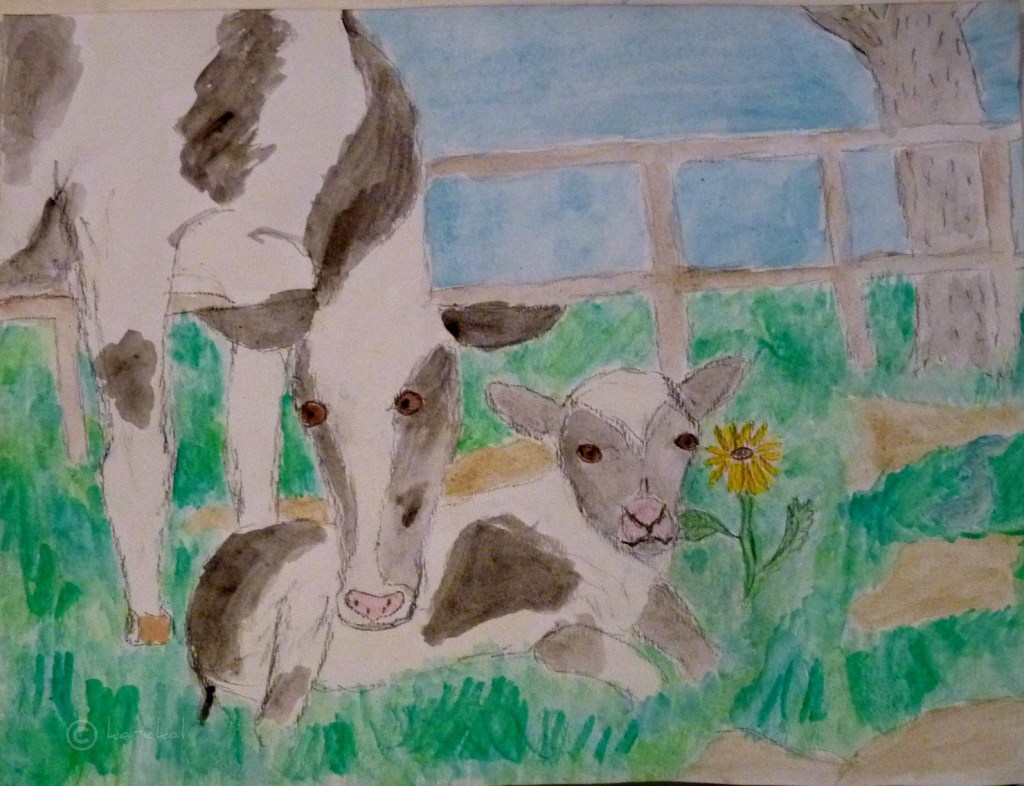
Friends not food
I am not a steak
The little one is not a veal
We are a mother cow and calf
That is what is real
Bottom line
A “Super Bowl” of Suffering for Nothing

Source United Poultry Concerns
By Karen Davis, PhD
“The chickens try to hide their head from you by sticking it under the wing of the chicken next to them on the slaughter line. You can tell by them looking at you, they’re scared to death.”
– Virgil Butler, former Tyson chicken slaughterhouse worker
CHICKEN DREAMING
(Ancestral memories in a metal “broiler” chicken shed.)
He sits in this house of feces and pain
With thousands of others
All the same, call it a triumph or
Call it insane.
His eyes are burning.
His liver is leaking.
His legs are aching and lame.
But he will be
Eaten with pleasure
All the same.
His nerves, bones and tendons will be nuggets in a bucket
Chewed by a fan
At a game.
His “wings” (don’t ask) will prove
What it means
To be a Man
Like every other
Man and his brother,
Inane.
His breast will water
The mouth of a lady trying
To lose weight with this
Lump on her plate.
For this he was made
For supper.
Meanwhile he dreams his
Impossible dream:
Ancestral memories
Of family and friends
Of tropical forest all rainy and green
From which he came
To suffer like this
For a foul mouth of chicken bliss.
– Karen Davis
KAREN DAVIS, PhD is the President and Founder of United Poultry Concerns, a nonprofit organization that promotes the compassionate and respectful treatment of domestic fowl including a sanctuary for chickens in Virginia. Inducted into the National Animal Rights Hall of Fame for Outstanding Contributions to Animal Liberation, Karen is the author of numerous books, essays, articles and campaigns. Her books include A Home for Henny; Instead of Chicken, Instead of Turkey: A Poultryless ‘Poultry’ Potpourri; Prisoned Chickens, Poisoned Eggs: An Inside Look at the Modern Poultry Industry; More Than a Meal: The Turkey in History, Myth, Ritual, and Reality; and The Holocaust and the Henmaid’s Tale: A Case for Comparing Atrocities. Karen’s latest book is For the Birds: From Exploitation to Liberation – Essays on Chickens, Turkeys, and Other Domesticated Fowl.
Download Your FREE Vegan PDF HERE
Order a FREE vegan kit HERE
Dairy-Free Info HERE
Take the Dairy-Free Challenge HERE
Click HERE for more Dairy-Free
Fish alternatives can be found HERE
Learn about eggs HERE
Find bacon alternatives HERE and HERE
Take PETA’s Cruelty-Free Shopping Guide along with you next time you head to the store! The handy guide will help you find humane products at a glance. Order a FREE copy HERE
Searching for Cruelty-Free Cosmetics, Personal-Care Products, Vegan Products, or more?
Click HERE to search.
Free PDF of Vegan & Cruelty-Free Products/Companies HERE
Click HERE to find out How to Wear Vegan!
Want to do more than go vegan? Help others to do so! Click below for nominal, or no, fees to vegan literature that you can use to convince others that veganism is the only compassionate route to being an animal friend:
PETA HERE
Vegan Outreach HERE
Get your FREE Activist Kit from PETA, including stickers, leaflets, and guide HERE
Have questions? Click HERE
Friends not food
Dismantling Speciesism

@dogsectionpress
Source Medium
By Graham
Speciesism is a form of prejudice that involves treating members of one species as morally more important than members of other species. It is deep rooted in a socially constructed anthropocentric moral hierarchy that positions humans as superior and all other animals as inferior. Within this the right to dominance is implied, considered justified and enacted without regard to ethical or moral consideration. It is based upon distortions history, religion and culture have created around our difference, distortions which separate us from fellow animals and deny commonality & compassion. These distortions are further embedded within our schools, in literature, art, media and advertising. We can understand it as the underlying principle behind the organizing of human life built upon indifference towards, or vehement negation of all other species. It’s a form of ‘othering’ that creates a strict division of ‘us’ and ‘them’. A way of convincing ourselves that we matter and have greater importance because we are not them. It fuels a profoundly violent worldview that is used to legitimise abhorrent cruelty towards fellow animals. Speciesism is the ideology that justifies the subordinating of animal welfare to the interests of human beings. The enactment of this privileging of human-only interests permeates our existence and as Dr. Corey L. Wrenn states “Because speciesism is systemic, a human cannot exist in this society without indirectly benefiting from nonhuman oppression.”
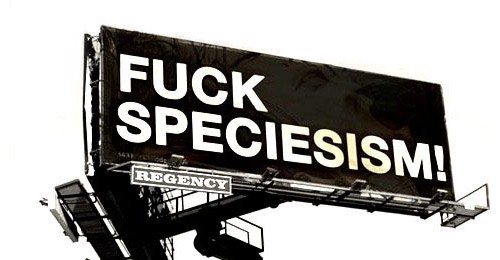
Due to the power difference within speciesism and the wielding of that power uncoupled from accountability, we could surmise that speciesism is in line with a far right political orientation, and summarise it with the vile maxim “might is right”, the idea that the mere ability to subject others to our will is automatically a justification and a given right. It’s a sly and base form of fascism aimed at fellow animals and the oldest, most enduringly pervasive form of brutal tyranny. We can further argue that this abhorrent ideology is the root cause of the greater percentage of social injustices, and destructive consumption of the world’s finite resources.

Some may argue that due to our cognitive and creative abilities, humans may try to legitimately claim a sense of superiority over other species who seem to be lacking these exact same traits, and then further argue that this is a rational argument for violent oppression. Humans may have the capacity for rational critical thinking or considered ethical actions, but the choice to oppress others is no expression of this. As well as our more honourable tendencies, conversely we are also capable of irrational behaviour, misguided thought and grossly unethical actions, and as we know the latter has brought catastrophic consequences. We are prone to believing that we are an essential cog or even the driving cog of the planet’s existence, when in reality we are only a dispensable & unnecessary part in a hugely complicated & interconnected system of living beings. A species that has only been in existence for an insignificant fraction of time in the lifetime of the planet. However, our increasing capacity for destruction, especially over the last three hundred years has ensured that our existence has become more of a threat to the world than a force for good. Our actions stemming from our supposed notions of superiority have made our presence a malign force & we now stand upon the precipice of mass extinction. Our extensive & damaging actions have brought about a proposed new geological epoch, the Anthropocene, dating from the beginning of significant human impact on Earth’s geology and ecosystems and climate. So due to these self defeating behaviours, we might regard our claim to superiority as questionable, even misplaced & arrogant. Our regard for ourselves as the “pinnacle of evolution” has engendered an overestimation of our importance. We equate our inflated sense of significance with moral worth and that perceived status is understood as righteousness. We conflate our self-appointed importance with merit. As Bakunin noted:
“Power corrupts the best. . . . Two sentiments inherent in power produce this demoralisation:
1. Contempt for the masses (for our purposes fellow animals)
2. Overestimation of one’s own merits.”

I’d argue that anarchist theory, the seeking and identification of systems of power, questioning their legitimacy, and subsequent dismantling of all unjust modes of domination, authority and hierarchy, is the antidote to human supremacy. As Rocker observed “Power by its very nature seeks to bring everything under one rule and subject it to its will.” We see this enacted in our plundering of the world’s finite resources & industrialised violent exploitation of fellow animals. Every argument for animal exploitation is an argument for violent oppression. Every argument for violent oppression is an argument for hierarchical power. Every argument for hierarchical power is an argument for subjugation. Every argument for subjugation is an argument for your own oppression at the hands of a tyrant therefore an argument for your own disempowerment. Our interests are not served by the systems of oppression we support.

To turn away from the violent exploitation of fellow animals is merely another way of preserving ignorance & the power of our unaddressed complicity in oppression, unquestioned & intact. It preserves & reproduces oppression & violence. To paraphrase the band Crass “How well we’ve been taught to support our own oppression.”

If we wish to rid the world of speciesism then we cannot employ the same prejudicial hierarchical frameworks to do so. We should not use stratified nor comparative measures to argue the worth of fellow animals in attempts to raise their status. To paraphrase (* see footnote), Audre Lorde, “we cannot use the master’s tools to dismantle the masters house.” Therefore any dismantling of this hierarchical paradigm must avoid any valorisation of traits, intelligence, ability, aesthetics, sentience, cuteness or utility etc. of any living creature. It must never posit any shared or indeed unshared cognitive or behavioural attribute as a marker of moral relevance or worth. To me it’s this simple: if you exist you automatically & unquestioningly have worth and inviolable rights. I need no quantitative nor qualitative criterion to come to this conclusion, because that’s just imposing an anthropocentric measurement upon a vastly diverse and incomprehensible array of different species. It can therefore only be reductive, arbitrary and grossly generalised. That lens can only be narrow, myopic and human centred. It’s not mine nor anyone’s place to evaluate the moral worth of any living fellow creature. To believe so is in and of itself speciesist.
“The unfortunate reality is that by focusing on similarities we are still promoting a hierarchy of value – one in which human abilities are the only abilities given worth.” (Sanuara Taylor)
“In our magnanimous embrace of the other, we end up reconfiguring a dualism that will inevitably find some ‘other’ to exclude.” (Lori Gruen)
So a non-hierarchical approach is the only rational response to oppressive hierarchies. A horizontal framework that as far as possible doesn’t place any species above any other.

I am vegan because I believe all fellow animals have inviolable rights and because I have empathy and compassion. I am an anarchist because I believe in freedom and equality for everyone. No compromise, no concessions, total liberation for all. To me these ideas are not mutually exclusive, they are symbiotic and indispensable to one another. Until we end our violent oppression of fellow animals we will never learn to create societies that do not run on the violent oppression of fellow humans. The key to human freedom and equality lies within ending speciesism.
Veganism is one aspect of a collective justice movement to end speciesism & change our condescending attitude towards, and relationship with other fellow animals. This justice movement seeks to create new ways of relating to animals that include them as a category of power and equal consideration. It challenges the pervasive capitalist structure that alienates fellow animals and renders them invisible, removed from consideration, reduced to mere objects, to commodities that exist to serve needless human consumption. When we acknowledge that our relationship with fellow inhabitants of this planet has been distorted & dictated through the lens of capitalism, rather than one of individual needs, mutual aid, common purpose and collective survival, we can recognise that we’re all in this together and move towards modes of cross species solidarity.
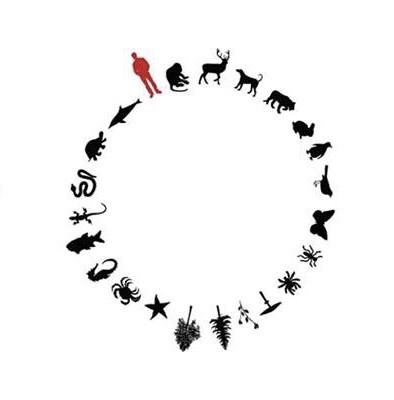
Evidently most non vegans view the idea of giving up their dominion over other species as an infringement upon their rights. Selfishly they perceive not consuming the products of intrinsically violent animal exploitation only as a sacrifice, an infringement upon their liberty, regardless of the fact that it is for the greater good and justice for all. Any gain for our fellow animals they understand narrowly only as a loss of power. To paraphrase Paolo Freire “Any loss of privilege to the oppressor will be received as oppression”. This thwarted sense of injustice, being only a consideration for the self at the expense of others may therefore be dismissed.
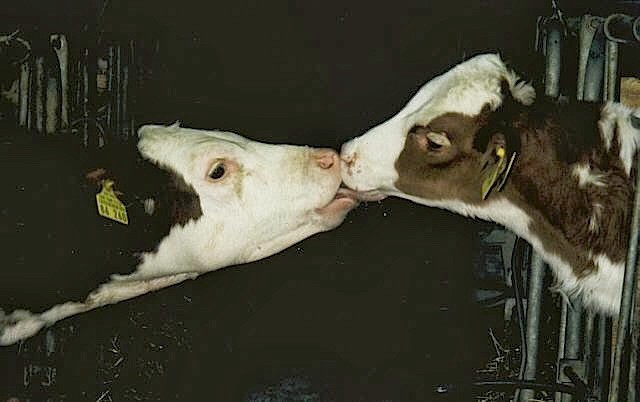
When planning a new alternative worldview we can conceive of this as a space of reflecting where all species & voices are welcome and heard and differences are valued. Every nation, every species must be considered in the planning and implementation of those plans. Not all those voices may speak my language but as bell hooks says, “absent identities” need not be excluded. We can still consider others even if they aren’t present in the room. To me, just like with human diversity, rather than imposing exclusionary oppressive mythical norms, it’s about acknowledging & valuing differences in a non hierarchical manner, for therein lies our collective power. We can endeavour to come at life with curiosity rather than judgement. When we look with the eyes of a child, with wonder & investigation, we are open to experience and learning. When we judge, we split a complex reality into only two polarising dimensions “good v bad”, “right v wrong”. We shut out experience & become impervious to new knowledge. An awareness of our own conditioned bias and resultant prejudice may be the key to interrogating and challenging that bias. We can ask ourselves how our attitudes or words are actually contributing to the subjugation & oppression of fellow nonhumans and humans alike.

Bakunin argued “The first revolt is against the supreme tyranny of theology, of the phantom of god. As long as we have a master in heaven, we will all be slaves on earth”. So by extension & in our context, the belief in the supremacy of humans will always result in tyranny for fellow animals. Humans, perceiving themselves as masters will always subjugate every other species to their will without regard to accountability or consequence, even at the risk of our ultimate self-destruction. Our quest for control, power & order is too dearly bought. If we are able to dismantle & discard the hierarchical prejudice, our focus will no longer be solely upon ourselves & we make room for consideration of all. Anything less is tyranny. Anything less is violent injustice. Anything less is an argument for extinction.
Notes
- Audre Lorde was writing specifically about racism and I acknowledge that I am using her words in a different context but with no intention to be insensitive towards the complexities of that original subject.
Download Your FREE Vegan PDF HERE
Order a FREE vegan kit HERE
Dairy-Free Info HERE
Take the Dairy-Free Challenge HERE
Click HERE for more Dairy-Free
Fish alternatives can be found HERE
Learn about eggs HERE
Find bacon alternatives HERE and HERE
Take PETA’s Cruelty-Free Shopping Guide along with you next time you head to the store! The handy guide will help you find humane products at a glance. Order a FREE copy HERE
Searching for Cruelty-Free Cosmetics, Personal-Care Products, Vegan Products, or more?
Click HERE to search.
Free PDF of Vegan & Cruelty-Free Products/Companies HERE
Click HERE to find out How to Wear Vegan!
Want to do more than go vegan? Help others to do so! Click below for nominal, or no, fees to vegan literature that you can use to convince others that veganism is the only compassionate route to being an animal friend:
PETA HERE
Vegan Outreach HERE
Get your FREE Activist Kit from PETA, including stickers, leaflets, and guide HERE
Have questions? Click HERE
Humans put too much stock in their “humanity “
This is immoral insanity
To be truly human is to be humane
And not cause suffering and pain
To know ones basic place
In the vastness of God’s space
Blurring the Boundary Between Humans and Other Animals
Source United Poultry Concerns (UPC)
By Karen Davis, PhD, President of UPC
This article was first published January 20th on Animals 24-7.
Heinrich Himmler, who founded the quasi-military police unit known as the SS and administered the Nazi death camps, was initially a chicken farmer. According to Charles Patterson in his book Eternal Treblinka: Our Treatment of Animals and the Holocaust, Himmler’s “agricultural studies and experience breeding chickens convinced him that since all behavioral characteristics are hereditary, the most effective way to shape the future of a population – human or non-human – was to institute breeding projects that favored the desirable and eliminated the undesirable” (p. 100).
“By blurring the boundary between animals and human beings,” says Boria Sax in Animals in the Third Reich: Pets, Scapegoats, and the Holocaust, “many Nazi practices made the killing of people seem like the slaughtering of animals. The Nazis forced those whom they were about to murder to get completely undressed and huddle together, something that is not normal behavior for human beings. Nakedness suggests an identity as animals; when combined with crowding, it suggests a herd of cattle or sheep” (p. 150) – or, as well, a pile of defeathered chickens making the victims “easier to shoot or gas”.
For most people, as I discuss in The Holocaust and the Henmaid’s Tale, blurring the boundary between human and nonhuman beings, in order to harm humans more easily, is disturbing not because it raises questions about how we treat other animals, but because it threatens our superior status as humans. For many people, the idea that it is as morally wrong to harm animals intentionally as it is to harm humans intentionally borders on heresy. Similarly, the idea that animals could suffer as terribly as humans in being forced to engage in degrading behavior offends many people. Hostility between and among human groups is historical, but just as bickering individuals and nations come together against a common human enemy, so most people unite in defense of human supremacy and uniqueness over all other forms of life. The boundary between “human” and “animal” cannot be breached.
In reality, the boundary is continuously breached and blurred. Theriomorphy, in which the human and nonhuman animal come together, takes many forms. Humans and nonhuman animals share a common evolutionary heritage and sentience, and we share many similar and identical interests and behaviors. Meateaters incorporate animals into themselves by eating them, human infants’ first milk is often that of a lactating cow or goat, and many people are theriomorphic as a result of cross-species organ transplants, as reported in ”University of Maryland doctors in Baltimore perform first successful transplant of pig heart into human,” Jan. 11, 2022.
So-called bestiality – sexual relations involving human and nonhuman animals – is, as Midas Dekkers observes in Dearest Pet: On Bestiality, “omnipresent – in art, in science, in history, in our dreams” (p. 5).
In myth and religion, animals are frequently employed by the gods to impregnate women. Dekkers notes that “Jesus Christ, himself the Lamb of God, had absolutely no need to be ashamed of his origins, since the dove which had fathered him in Mary was a god as well as a dove. Like the children of Leda and her swan [in Greek mythology], he is at the same time the product of bestiality (man x animal) and of theogamy (god x man). The same ambiguity is found in other religions” (p. 10).
A similar ambiguity appears in Western science. Animals are substituted for humans in biomedical research, which is based on the assumption that animals can double for people as sources of information about the human condition. Inflicting human diseases on animals in search of a cure, however modern it may seem, is really a type of primitive purification ritual. Through the ages, people have sought consciously or unconsciously to rid themselves of their impurities (diseases, sins and vices) by symbolically transferring their impurities to sacrificial victims, known as scapegoats. Often, these victims are represented as having both human and nonhuman attributes. In Christianity, Jesus is the sacrificial lamb who bears away the sins of the world. In the Hasidic custom of Kaporos, adherents transfer their sins symbolically to chickens, their “doubles,” who are then slaughtered. Swinging a chicken three times by the legs around his or her head, the practitioner chants: “This is my exchange, this is my substitute, this is my atonement. This chicken shall go to its death, and I shall proceed to a good, long life and peace” (Wenig, p. 2).
The ritual transference of one’s own transgressions and diseases to a sacrificial animal victim constitutes an interspecies rape of that victim. In both cases, the animal victim is treated as a receptacle for the victimizer’s defilement. In both cases, the animal victim is involuntarily made to appear as an aspect of the victimizer’s identity. Humans, by virtue of a shared verbal language, can aggressively challenge the profanation and misappropriation of their identity. By contrast, a nonhuman animal, such as a hen, is powerless, short of human intercession, to protect her identity, as when she is characterized by her abusers as an “egg-laying machine” or as a symbolic uterus for the deposition of a human being’s spiritual filth, illustrating Jim Mason’s observation in his book An Unnatural Order, that traditional religion “sets up a mind that is ‘entertained’ by scenes of debasement” (p. 180).
The boundary between animals as food and animals as sexual objects and religious appendages is thus blurred, even though the animals are not considered in their own right at all. The rape of farmed animals is an ancient practice, not only because these animals have always been readily available for sexual assault on the farm, but because farmed-animal production is based on physically manipulating and controlling animals’ sex lives and reproductive organs. Sexually abusive in essence, animal farming invites crude conduct and attitudes toward the animals on the part of producers and consumers alike. Use of domesticated birds, goats, and sheep as literal and symbolic aspects of human religious experience reflects these animals’ primary status as consumables – beings whose value resides in their absorption into the human body and into the anthropomorphic imagination in which they are frequently cast as ennobled by their contribution.
As numerous commenters on the recent transplant of a pig’s heart into a man’s body have observed in support of this operation and its future applications, people who eat animals and drink their milk are already comfortable having animals’ bodies and fluids inside their own. Organs from other animals simply expand this comfort zone, adding even more “benefit” to humans. The superior status of humans is in no way diminished in being chimerically mingled with nonhuman animals. After all, we absorb them; they do not absorb us.
REFERENCES
Davis, Karen. 2005. The Holocaust and the Henmaid’s Tale: A Case for Comparing Atrocities. New York: Lantern Books.
Dekkers, Midas. 1994. Dearest Pet: On Bestiality. Trans. Paul Vincent. New York: Verso.
Mason, Jim. 2005. An Unnatural Order: Uncovering the Roots of Our Domination of Nature and Each Other. New York: Lantern Books.
Miller, Hallie. 2022. “University of Maryland doctors in Baltimore perform first successful transplant of pig heart into human.” The Baltimore Sun, January 11.
Nellore, Usha. 2022. “Pigs can now hog the spotlight: Reader Commentary.” The Baltimore Sun, January 13.
Patterson, Charles. 2002. Eternal Treblinka: Our Treatment of Animals and the Holocaust. New York: Lantern Books.
Sax, Boria. 2000. Animals in the Third Reich: Pets, Scapegoats, and the Holocaust. New York: Continuum.
Wenig, Gaby. 2003. “Human Atonement or Animal Cruelty?” Jewish Journal of Greater Los Angeles. October 30.
Karen Davis, PhD is the President and Founder of United Poultry Concerns, a nonprofit organization that promotes the compassionate and respectful treatment of domestic fowl including a sanctuary for chickens in Virginia. Inducted into the National Animal Rights Hall of Fame for Outstanding Contributions to Animal Liberation, Karen is the author of numerous books, essays, articles and campaigns. Her books include A Home for Henny; Instead of Chicken, Instead of Turkey: A Poultryless ‘Poultry’ Potpourri; Prisoned Chickens, Poisoned Eggs: An Inside Look at the Modern Poultry Industry; More Than a Meal: The Turkey in History, Myth, Ritual, and Reality; and The Holocaust and the Henmaid’s Tale: A Case for Comparing Atrocities. Karen’s latest book is For the Birds: From Exploitation to Liberation – Essays on Chickens, Turkeys, and Other Domesticated Fowl.
Download Your FREE Vegan PDF HERE
Order a FREE vegan kit HERE
Dairy-Free Info HERE
Take the Dairy-Free Challenge HERE
Click HERE for more Dairy-Free
Fish alternatives can be found HERE
Learn about eggs HERE
Find bacon alternatives HERE and HERE
Take PETA’s Cruelty-Free Shopping Guide along with you next time you head to the store! The handy guide will help you find humane products at a glance. Order a FREE copy HERE
Searching for Cruelty-Free Cosmetics, Personal-Care Products, Vegan Products, or more?
Click HERE to search.
Free PDF of Vegan & Cruelty-Free Products/Companies HERE
Click HERE to find out How to Wear Vegan!
Want to do more than go vegan? Help others to do so! Click below for nominal, or no, fees to vegan literature that you can use to convince others that veganism is the only compassionate route to being an animal friend:
PETA HERE
Vegan Outreach HERE
Get your FREE Activist Kit from PETA, including stickers, leaflets, and guide HERE
Have questions? Click HERE
Humans have a tragic proclivity
For applying cruelties
To their creativity
If only, if they only would
Devote those energies instead
To doing good
How Can These Trolls Be So Callous?
Source Medium
What The Death of Our Beloved Family Cat Taught Me About People
We had some tragic news recently. We lost our beloved cat.
He’d been with us for years and would go out every day, but never went very far or stayed out for very long. He’d pop out for a while, have a bit of an explore, get some fresh air and some exercise, check out any new smells that had been left in his territory, then dash back in to make sure we were still around, and to tell us all about it.
We knew there was something wrong when we hadn’t seen him all day. It just wasn’t like him to disappear for such a long period of time. Over the next two weeks, we spent many hours looking for him. We leafletted our local area and put up posters everywhere. We talked to neighbours and local business owners, asking them to keep an eye open for him. We contacted local vets and animal shelters in case he’d been brought in. We joined community Facebook groups and lost pet groups and put out his information all over social media.
People were great. There was so much support. A printer produced a load of free posters for us, local business owners put up the posters in windows, almost every day we had calls and messages from helpful people thinking they might have seen him. None of the sightings proved to be him, but it kept our hope alive and gave us encouragement.
After close to two weeks, we had a message from a lady who thought she’d found him. Early on the morning that he’d disappeared, she’d spotted him sitting in the middle of the road near our home, apparently unable to walk. Her daughter had picked him up and they’d rushed him to a vet but, tragically, he didn’t make it and died in her arms.
A call to the vets confirmed the story and we were told they still had him in cold storage. When I collected him and brought him home, our worst fears were confirmed — it was our beloved little lad.
We were devastated.
After taking some time to get over the initial shock, we decided we had better let people know what had happened, especially since many people were still searching for him. We put out various messages and social media posts informing people of the sad news.
That’s when the vile trolling started.
First, it was laughing emojis.
Then came photos of dead and mutilated cats.
Some people even told us they enjoyed eating cat meat and sent us pictures of meals they had eaten with bits of cat flesh in them.
It was obscene, cruel and totally senseless. We couldn’t understand what motivated these people to do this, or why they seemed to get such sick pleasure from taunting people who genuinely cared about animals and were just trying to do the right thing.
Okay… this isn’t exactly true.
Losing our little fella, searching for him, eventually finding out what had happened to him and collecting his little body from the vet’s — that was all true. But the reaction from the trolls — I added that because I want to highlight a particularly disturbing trait among people on social media — I hope you’ll forgive me and read on…
In fact, when we announced that he’d been killed, we received nothing but kind condolences and messages of support — people were lovely. It was heart-warming to discover that there are so many kind people out there.
But the vile, sick, cruel messages from the trolls — that’s not entirely untrue, either. You see, I’ve seen those messages over and over again — as have most people who campaign against animal abuse. These kinds of replies will be familiar to almost anyone who campaigns on social media for animal rights and veganism.
The same people who show respect, caring and support for a missing, injured or deceased cat or dog will readily show utter contempt and disdain for other animals, such as pigs, cows, sheep, chickens, goats or fish, for example, (who) they treat as nothing more than inanimate objects.
The suffering of farmed animals is, in many ways, even worse than the suffering of our beloved companion animals, because it is prolonged, deliberate and takes place on such a vast scale. Yet post about it on social media and you are likely to get exactly the same response from trolls as I described above.
People laughing at you for showing care and concern.
People posting photos of animal abuse.
People posting pictures of bacon and talking about how delicious their dead pig was.
It’s sickening. It’s also sick. Seriously. If people are so uncomfortable with someone showing compassion for the animals which they so carelessly and callously put on their plates three times a day, without a second thought about their lives, their feelings or their deaths… so uncomfortable that they feel an overwhelming urge to troll vegans and other people who show concern about the suffering of those animals, then they really do have a problem.
And their problem isn’t really with vegans; their real problem is their own cognitive dissonance.
You see, as my experience with the death of our cat shows, most ordinary people do care about animals, at least on some level. Yet we all know, deep down, that this natural compassion cannot be reconciled with paying for them to be horribly torture and killed for products we don’t even need.
We all know, deep down, we should be vegan. It’s just a question of when the penny will drop.
Download Your FREE Vegan PDF HERE
Order a FREE vegan kit HERE
Dairy-Free Info HERE
Take the Dairy-Free Challenge HERE
Click HERE for more Dairy-Free
Fish alternatives can be found HERE
Learn about eggs HERE
Find bacon alternatives HERE and HERE
Take PETA’s Cruelty-Free Shopping Guide along with you next time you head to the store! The handy guide will help you find humane products at a glance. Order a FREE copy HERE
Searching for Cruelty-Free Cosmetics, Personal-Care Products, Vegan Products, or more?
Click HERE to search.
Free PDF of Vegan & Cruelty-Free Products/Companies HERE
Click HERE to find out How to Wear Vegan!
Want to do more than go vegan? Help others to do so! Click below for nominal, or no, fees to vegan literature that you can use to convince others that veganism is the only compassionate route to being an animal friend:
PETA HERE
Vegan Outreach HERE
Get your FREE Activist Kit from PETA, including stickers, leaflets, and guide HERE
Have questions? Click HERE
The bitterness and self loathing of trolls and such
Using the keyboard as a crutch
To spew to share their
Vile screed
Our world keeps sinking
In deed and indeed
Why do you support an industry that normalizes infant dead piles?
Source Mercy For Animals Drone Investigations , Mark Devries
The above is globally standardized animal “production”, greater than 90% of all animals exploited for food in the world are commodified in industrialized manners: animals minimized to numbers and weights, their suffering mocked by nonvegans: you know what happens to them yet you continue supporting the system that requires their pain, violation, and violent death.
And if you are one of ten who does buy expensive animal body parts from a “small, local farm”, you’re not killing animals for the animals, you’re consuming animal products but want to limit your exposure to e coli or listeria while still participating in animal exploitation that fuels animal exploitation. You cannot separate yourself from animal suffering just because you feel better about your OWN body requiring the unwilling, terrorized destruction of others’.
I know what you’re doing. You cannot rest comfortably in your willful ignorance causing others’ suffering, you just lie about it and use deceit, manipulation, and words meant to promote artificial ethics, but causing harm is inherently unethical, regardless of your fictionalized narrative: actions matter more than words, your apathetic and cruel behaviour betray your disingenuous greeting card platitudes and reveal your true intentions. You may hate vegans, but animals have done nothing to deserve your indifference. SRL
Download Your FREE Vegan PDF HERE
Order a FREE vegan kit HERE
Dairy-Free Info HERE
Take the Dairy-Free Challenge HERE
Click HERE for more Dairy-Free
Fish alternatives can be found HERE
Learn about eggs HERE
Find bacon alternatives HERE and HERE
Take PETA’s Cruelty-Free Shopping Guide along with you next time you head to the store! The handy guide will help you find humane products at a glance. Order a FREE copy HERE
Searching for Cruelty-Free Cosmetics, Personal-Care Products, Vegan Products, or more?
Click HERE to search.
Free PDF of Vegan & Cruelty-Free Products/Companies HERE
Click HERE to find out How to Wear Vegan!
Want to do more than go vegan? Help others to do so! Click below for nominal, or no, fees to vegan literature that you can use to convince others that veganism is the only compassionate route to being an animal friend:
PETA HERE
Vegan Outreach HERE
Get your FREE Activist Kit from PETA, including stickers, leaflets, and guide HERE
Have questions? Click HERE
However you try to self deceive
What ever lies you believe
Truth like tears
Fall copiously
You cannot run from
Reality
What Does It Mean to Be an “Animal Lover”?
Before anyone gets morally outraged at even the hint of criticism towards Betty White, just remember, vegans don’t exist to mitigate animal suffering, we don’t defend animal exploiters, we defend animals. The above video, courtesy Animals Australia is the GLOBAL STANDARD for killing pigs, CO2 is AVMA-approved in the USA and accepted as “humane” elsewhere.
So if you feel inspired to malign people for defending animals, watch the above footage and tell me how creating the conditions and profiting from the exploitative control subjecting animals to abject fear, pain, suffering, and violent death, is remotely aligned with being an “animal lover”. And be sure to acknowledge that the same form of gas in the US is vehemently and aggressively opposed by “animal lovers” who care about cats and dogs (gas is still used to “humanely euthanize” shelter cats and dogs in the US) while consuming pigs. Until humans end their exploitation of “unworthy” animals, “worthy” animals will continue to suffer as well, it’s all related. SL
Source United Poultry Concerns
By Karen Davis, PhD, President, United Poultry Concerns
The term “animal lover” sounds like a relic of a bygone era, pre-1990s at least. For modern animal rights advocates, “animal lover” sounds quaint, but the mainstream media seem content with it. Granted, being an “animal lover” is better than being an animal hater, but should we embrace this attribution as a tribute to the designee or as a favor to animals? What might animals say if they could weigh in?
Tributes to celebrity actress Betty White, who died December 31, 2021 at age 99, led me to raise the question in a comment I posted to Animals 24-7’s more sobering look at Betty White’s decades-long association with animal welfare. The thoughts presented here expand that comment. I knew Betty White from ads for Golden Girls, a popular TV comedy in which she starred from 1985-1992. Scanning tributes to her in early January 2022, prompted by her death, I saw among the accolades that she was a front for the American Humane Association’s seal of assurances that “No Animals Were Harmed” in the making of films in which animals appeared under AHA’s oversight. I think there is evidence to the contrary.
A question I asked was, did Betty eat animals? She not only ate them; she publicized her consumption of animals to the point of being the celebrity booster for a hot dog business in Los Angeles. Of course, she is beloved by the owner of that business. A hot dog has been named for her with proceeds from sales going to the Los Angeles Zoo.
Unfortunately, the term “animal lover,” whether attributed to a celebrity or anyone else, suggests that the person may be more cloyingly sentimental than truly sensitive toward nonhuman animals, their feelings, needs and miserable frustration in institutional captivity. Thus I believe it is time to retire the term “animal lover”, which is as demeaning and patronizing toward animals as this same type of attribution would be in being used to characterize a socially privileged person who “loves” an oppressed human population.
The fact that Betty White has been gushed over, almost universally, by celebrities, media, and other commentators signals that she was an “animal lover” who ensured that the status quo would not be disturbed and would even be enshrined. Betty’s love for animals is reminiscent of white people’s professed “love” for cute little “colored” children, as reflected in Harriet Beecher Stowe’s 1852 anti-slavery novel Uncle Tom’s Cabin: Life Among the Lowly. Such “love” is quite compatible with an approval of enslavement of the “loved” objects of affection.
Don’t Disturb the Dead
A couple of comments to the Animals 24-7 critique of Betty White’s animal-loving career complained that she should be allowed to rest in peace unexamined as to her actual commitment and contribution to animals and their so-called welfare. To which I replied that the critique legitimately looks beyond the clichés to provide a fuller picture of Betty’s involvement on behalf of animals.
By putting herself in the limelight, she invited scrutiny.
Betty White was a public figure who constructed a persona for public consumption. The fact that she died or is still fresh in the grave does not exempt her public doings from examination, including criticism when the shadow falls between fiction and fact. I believe she honestly cared about some animals – the kinds of animals it is socially “safe” to “love” and the kind of care that does not rock the boat. At the same time, the animals she was photographed with, whether wildlife captives or pampered pets, were props for her celebrity image. She and her publicists knew that the public loved her twinkly face snuggled up to captive creatures who were made to appear to “smile” for the camera.
Smug Love for Animals
“Animal lovers will find much to savor.”
—Publishers Weekly (2021)
I posted a review on Amazon along these lines, in October 2021, of New Yorker staff writer Susan Orlean’s collection of essays in her book, On Animals – hailed mightily on Amazon by the pundit media. I’m pleased that so far my customer review has garnered the majority of “Helpful” clicks. I wrote:
As for this superficial set of essays by Susan Orlean assembled in “On Animals”: The type of “love” Orlean patronizingly has for animals is the type conventional reviewers love to praise and promote since it conveys, falsely but comfortably, that you can “love” nonhuman animals the way many white people in the South “loved” their African-American slaves while supporting their victims’ enslavement against their will (of course) and forcing them, through legalized torture and terror, to work or die or be sold.
Orlean speaks of the animals she is “fascinated with” as if they were nothing more than objects for her amusement while ensuring that complacent readers will be unfazed by the human brutality and animal suffering she describes and supports. She shows no true respect for our fellow creatures, making her book just one more self-satisfied effusion that goes nowhere but back to the beginning. So much for the globetrotting aspect. ‑ Karen Davis
I thank Mary Finelli of Fish Feel for responding to the question of Betty White’s diet in the comments section of the Animals 24-7 article on Betty White. It irks me that the only chicken ‑ the only farmed animal ‑ Betty probably ever loved was the one on her plate.
KAREN DAVIS, PhD is the President and Founder of United Poultry Concerns, a nonprofit organization that promotes the compassionate and respectful treatment of domestic fowl including a sanctuary for chickens in Virginia. Inducted into the National Animal Rights Hall of Fame for Outstanding Contributions to Animal Liberation, Karen is the author of numerous books, essays, articles and campaigns. Her latest book is For the Birds – From Exploitation to Liberation: Essays on Chickens, Turkeys, and Other Domesticated Fowl published by Lantern Publishing & Media.
Download Your FREE Vegan PDF HERE
Order a FREE vegan kit HERE
Dairy-Free Info HERE
Take the Dairy-Free Challenge HERE
Click HERE for more Dairy-Free
Fish alternatives can be found HERE
Learn about eggs HERE
Find bacon alternatives HERE and HERE
Take PETA’s Cruelty-Free Shopping Guide along with you next time you head to the store! The handy guide will help you find humane products at a glance. Order a FREE copy HERE
Searching for Cruelty-Free Cosmetics, Personal-Care Products, Vegan Products, or more?
Click HERE to search.
Free PDF of Vegan & Cruelty-Free Products/Companies HERE
Click HERE to find out How to Wear Vegan!
Want to do more than go vegan? Help others to do so! Click below for nominal, or no, fees to vegan literature that you can use to convince others that veganism is the only compassionate route to being an animal friend:
PETA HERE
Vegan Outreach HERE
Get your FREE Activist Kit from PETA, including stickers, leaflets, and guide HERE
Have questions? Click HERE
To think that caring
Implies that one can pick
And choose
Is self deception
And innocent animals lose
build

People pick and choose what aspects of religion, societal mores etc and compassion towards other species that fit into their world view. They adhere to whatever preprogrammed notions were instilled in them.Thinking out of the box, for many, is too frightening and challenging. Time to build a new box , framed by kindness and constructed with empathy
I sign a lot of petitions, not that I honestly believe they will inspire meaningful change (maybe a few do), but because it’s easy and fast, what with the efficiency of technology and pre-filled fields. A couple weeks ago I received yet another anti cat-dog meat trades petition asking for my digital support to end the practice of cat and dog meat consumption. I signed it, with little optimism: don’t get me wrong, I detest the cat and dog meat trades, the footage I force myself to watch will haunt me forever, and judging by the volatile comments, a LOT of people who are predominantly NOT vegan, do as well. This is understandable. We are a nation of animal – cat and dog – lovers; we’ve been raised in a society that places value on cats and dogs (not just a financial sort for those who profit from their forced breeding, but I digress) but also based on our positive emotions and feelings towards them. We love cats and dogs and want to protect them.
Anyway, back to the petition: there were manymanymany angry, violent comments, some wishing karma, including pain and death, on people who kill and consume cats and dogs, ironically-enough written by people who consume pigs and cows.
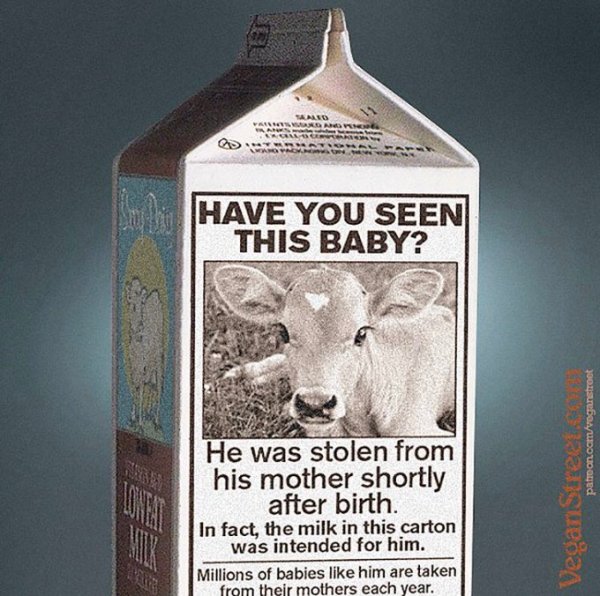
Why? Cognitive dissonance is the short, easy answer, but the actual reason is speciesism, the global construct deeming non-human animals as being unworthy of their own bodies and lives, considered only worthy as human benefits via food, entertainment, vivisection, fur/skin, etc. Speciesism is all related. The speciesism YOU embrace to legitimatize eating eggs or fish or cheese directly fuels the speciesism that other people embrace to legitimatize eating cats and dogs (which aligns with THEIR social status quo). Who are you to vehemently attack other cultures, countries, people as “barbaric/imbeciles/evil” while you do the EXACT SAME THING to other animals? If, as so many people often do, you want to scale it, you really are no better. If you want to get verbally angsty and aggressive regarding cat and dog consumption, you need to be verbally angsty and aggressive towards the people who burn, bury, macerate, and eviscerate the animals socially accepted as “food” where you live. Otherwise, you’re just a hypocrite pretending that dogs are special so you can feel morally robust while eating baby cows’ food.
And before you go off about deliberate torture often inflicted on cats and dogs, do remember that years ago it was exposed that chickens are routinely boiled alive in the USA (and NOTHING has changed except lines are now faster resulting in more torture), where all animals exploited for food are EXEMPT from the (meaningless) Animal Welfare Act, and where undercover investigators and whistleblower employees have continuously revealed the horrors endured by animals being stabbed, gutted, and dismembered while the animals are still fully conscious. Indignantly screaming that, “It’s not supposed to be like that!!!!” doesn’t negate that it IS like that. And even the “quick” death validation so many people exploit while NOT KNOWING or accepting the evidence demonstrating the opposite, STILL doesn’t make killing another acceptable to the other.
Society doesn’t define ethics, it just makes it fluid, timely manipulating the words used to define the abject suffering and violent experiences inflicted on others to inspire people to feel rationally good about violently killing pigs while verbally condemning killing dogs, ie., you support the “humane harvesting” of pigs while verbally assaulting the “deranged monsters for torturing the innocent, screaming, terrorized dogs”. Mitigating via Webster isn’t actually meaningful to Webster’s victims.
The foundation of animal exploitation is global and caused by all acts of exploitation regardless of whether your status quo includes a few as “family members”… Do remember, many animal farmers boast that the animals they subjugate and kill are treated better than “family members”, a disturbing association that typically gets thumbs-up-mentality congrats from the people who would sue and prosecute/imprison anyone who treated a cat or dog like animal farmed “family members”.
If you’re not vegan, don’t wear that moral badge concerning some animals, it doesn’t work that way. If you won’t reject all animal suffering, your words are about as meaningful to worthy victims as they are to unworthy victims. It’s like the masses who praise future regulations that will “gift” animals two inches of extra confinement space prior to their still-violent and fearful butchering: if you honestly believe a future environment will be “humane” why won’t you stop participating in the “inhumane” environment now? Or is it just wordy praise showing off your abundance of empathy? You’re so considerate you need to boast about your overly-generous paragon-of-kindness nature to ……. other people, yet not to the actual victims of your paragon-of-kindness nature. Correct?
Nobody ever answers that question. It doesn’t actually help animals when you praise a fairytale utopia of kindly killing, animals still suffer and die regardless of the delusions society holds as current events when meaningful to humans, but never to the animals.
How about this one: since you are capable of caring, of exercising morality and empathy, will you make it consistent? Because the animals are denied all opportunities to defend what is fundamentally theirs: their bodies and lives. The most vulnerable beings who are forced to endure the most hellish conditions and fear and pain, are the ones YOU can defend the easiest. SL
Download Your FREE Vegan PDF HERE
Order a FREE vegan kit HERE
Dairy-Free Info HERE
Take the Dairy-Free Challenge HERE
Click HERE for more Dairy-Free
Fish alternatives can be found HERE
Learn about eggs HERE
Find bacon alternatives HERE and HERE
Take PETA’s Cruelty-Free Shopping Guide along with you next time you head to the store! The handy guide will help you find humane products at a glance. Order a FREE copy HERE
Searching for Cruelty-Free Cosmetics, Personal-Care Products, Vegan Products, or more?
Click HERE to search.
Free PDF of Vegan & Cruelty-Free Products/Companies HERE
Click HERE to find out How to Wear Vegan!
Want to do more than go vegan? Help others to do so! Click below for nominal, or no, fees to vegan literature that you can use to convince others that veganism is the only compassionate route to being an animal friend:
PETA HERE
Vegan Outreach HERE
Get your FREE Activist Kit from PETA, including stickers, leaflets, and guide HERE
Have questions? Click HERE
People pick and choose what aspects of religion, societal mores etc and compassion towards other species that fit into their world view.
They adhere to whatever preprogrammed notions were instilled in them.
Thinking out of the box, for many, is too frightening and challenging.
Time to build a new box , framed by kindness and constructed with empathy













 Our Compass