Skip to content

HighestWelfare.Humane.Assured.GoodPractices.Vegetarian. Regenerative.Flexitarian.Lies...

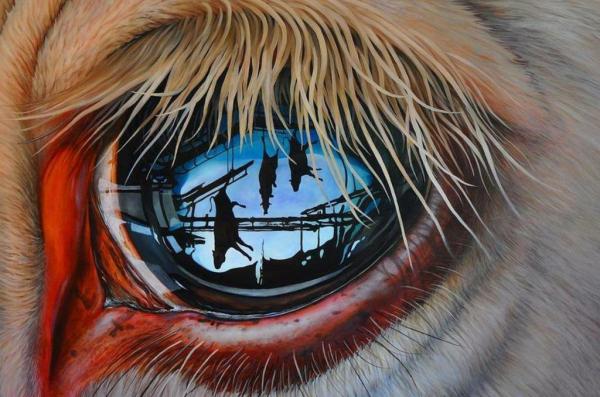
What is the difference between No Welfare, High Welfare, and Highest Welfare when they all require animals to die? Only human comfort, NONE protect the actual animals. The most humane, ethical, and honest Webster-defined "welfare" is NOT exploiting animals - not using, not wearing, not eating, not killing - animals. The only meaningful position is vegan, everything else is just how humans euphemize animals' required suffering and violent deaths: no human exploits animals because they honestly believe that NOT exploiting animals is UNethical or INhumane.

Free online vegan event Sept 19-23

September 17, 2018
by

https://vimeo.com/287517795

Please click HERE to register for free
Source Vegan Warrior Summit


Beginning September 19th, immerse yourself in this life-changing, 5-day video conference with over 30 vegan experts from around the globe. This summit will help you discover the key insights and strategies for restoring, balancing, and invigorating your body, mind, and soul so you can spark new pathways for personal and global change and we can create that compassionate, vegan world we all wish to see!


Order a FREE vegan kit: http://www.peta.org/living/food/free-vegan-starter-kit/

Take PETA’s Cruelty-Free Shopping Guide along with you next time you head to the store! The handy guide will help you find humane products at a glance. Order a FREE copy HERE

Want to do more than go vegan? Help others to do so! Click on the below for nominal, or no, fees to vegan literature that you can use to convince others that veganism is the only compassionate route to being an animal friend.

PETA: http://www.petacatalog.com/catalog/Literature-39-1.html

Looking for merchandise? Action for Animals has a very good selection : http://store.afa-online.org/home.php?cat=284

Have questions? Click HERE


If we learn and teach
Each other a little
Each day,
Perhaps together
We can send cruelty
Forever away

Karen Lyons Kalmenson


If you would like to place an animal through Free for Life

September 10, 2018
by
17093374665-e454832109-k

Source: Animal Place, Free for Life, http://www.freeforlife.org/

Source Animal Place, Free for Life

​If you would like to place an animal through Free for Life, please click HERE

Are you raising an animal as a student agricultural project? Are you having a change of heart about selling or slaughtering your animal? You have a choice. You can let them live. You can let them be free for life. We accept or can help find placement for cows, pigs, sheep, goats, chickens, turkeys, rabbits, and other animal species.

​If you are a student and you want to place an animal with Free for Life, or if you have questions, please fill out this form and we will contact you asap. You can give as much or as little information as you feel comfortable with right now. If you are a parent/advisor, please see next section below HERE.


Order a FREE vegan kit: http://www.peta.org/living/food/free-vegan-starter-kit/

Take PETA’s Cruelty-Free Shopping Guide along with you next time you head to the store! The handy guide will help you find humane products at a glance. Order a FREE copy HERE

Want to do more than go vegan? Help others to do so! Click on the below for nominal, or no, fees to vegan literature that you can use to convince others that veganism is the only compassionate route to being an animal friend.

PETA: http://www.petacatalog.com/catalog/Literature-39-1.html

Looking for merchandise? Action for Animals has a very good selection : http://store.afa-online.org/home.php?cat=284

Have questions? Click HERE


look into the depths of an animals eyes
see your soul and the soul
behind the eyes you see.
there dwells your true
humanity.

Karen Lyons Kalmenson


The Impact of Anonymous for the Voiceless

September 4, 2018
by

(Note: I’ve always been rather opposed to, and reluctant to use, the term “voiceless” in reference to animals: non-human animals are not voiceless, human animals just choose to not listen.)


Source Their Turn
By Donny Moss

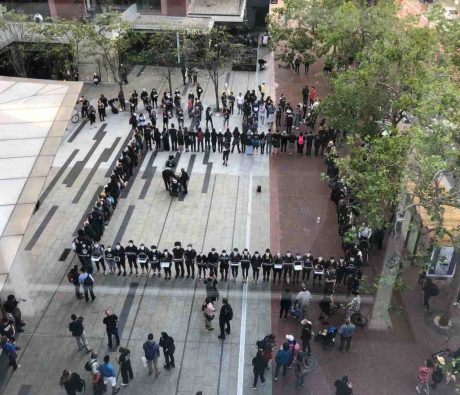
During Direct Action Everywhere’s (DxE) 2018 Animal Liberation Conference, an estimated 500 animal rights activists took to the streets of San Francisco to participate in what was, at the time, the largest Anonymous For the Voiceless (AV) event ever.  As more than 100 video screens displayed footage of animal exploitation in six “Cubes of Truth,” dozens of advocates conducted vegan outreach with pedestrians who stopped to watch the videos.  Animal rights activists Chase Avior, Jane Velez-Mitchell and James Aspey spoke to TheirTurn about the impact of AV.

Anonymous for the Voiceless uses “standard-practice” footage of animal agriculture to expose the public to the atrocities that the industry goes to great lengths to hide, and it provides people with tools to switch to a vegan lifestyle.

Since its inception in April, 2016, AV has staged over 4,000 “Cubes of Truth” in 650 cities around the world, convincing over 214,000 people to consider making the transition to veganism.


Cube-of-Truth-1-1024x880

Source Their Turn: Cube of Truth in San Francisco organized by Anonymous for The Voiceless and Direct Action Everywhere during the 2018 Animal Liberation Conference.


Order a FREE vegan kit: http://www.peta.org/living/food/free-vegan-starter-kit/

Take PETA’s Cruelty-Free Shopping Guide along with you next time you head to the store! The handy guide will help you find humane products at a glance. Order a FREE copy HERE

Want to do more than go vegan? Help others to do so! Click on the below for nominal, or no, fees to vegan literature that you can use to convince others that veganism is the only compassionate route to being an animal friend.

PETA: http://www.petacatalog.com/catalog/Literature-39-1.html

Looking for merchandise? Action for Animals has a very good selection : http://store.afa-online.org/home.php?cat=284

Have questions? Click HERE


It is up to us to articulate
What animals would if they could
And this cannot wait.

Karen Lyons Kalmenson


My Journey from ‘Humane’ Dairy Farmer to Vegan Cheese Maker

August 27, 2018
by
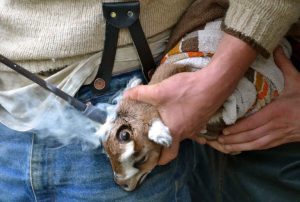
baby-goat-disbudding-768x518

Source Free From Harm: Baby goat being disbudded with a hot iron.

Source Free From Harm
By Free From Harm Staff Writers

The following is a first person account of Susana Romatz’s transition from dairy goat farmer to vegan cheesemaker.

My life has been a tapestry of contrasting and at times contradictory threads.

As a youngster, I binge-read books like Little House on the Prairie and My Side of the Mountain. I loved the idea of self-sufficiency and homesteading. I made acorn pancakes with my best friend Krista (we ground up acorns with a brick and added water; they were delicious! Just kidding, they were awful, like eating bitter sand). I once tried to whittle a log into a bust of a famous president with a jackknife knicked from my dad’s wardrobe. I was jealous of my cousins in the country who fished and hunted.

And so, many years later, when I saw the ad requesting help on a “humane dairy” goat farm in Oregon, I jumped at the chance to get my country girl on.

It’s relevant to note that ten years before that, I had tried to go vegan. I was working at PetSmart and it was there that I met Pinkie, a tiny black and white spotted puppy with blue eyes. I fell in love with her and adopted her. But alas, her kidneys weren’t formed correctly and as she grew larger and larger, topping the scales at 80 pounds, her kidneys began to fail. She only lived for two years, but in those two years I learned what it meant to love a dog. I was crushed when she died.

After that time, I couldn’t bring myself to eat animals any more. I just couldn’t see the difference between my beloved dog and the animals on my plate. I began to watch videos on animal welfare, and donated money to animal activism groups. I tried to go vegan altogether, but didn’t pull it off for a myriad of reasons, mainly willpower and lack of education. I was a vegetarian for years.

Then when I moved to Oregon, I began to hear the phrase “humanely raised” used in reference to meat and dairy products, and it piqued my interest. In Michigan, nobody had ever talked about humanely raised animals, because they weren’t much thinking about meat as animals— it was just meat, which is meant for eating. How the meat got that way only a few knew and fewer than that cared. In Oregon it seemed that more people were aware of what happens in commercial meat production, and they knew it was wrong.

Please read rest HERE


Order a FREE vegan kit: http://www.peta.org/living/food/free-vegan-starter-kit/

Take PETA’s Cruelty-Free Shopping Guide along with you next time you head to the store! The handy guide will help you find humane products at a glance. Order a FREE copy HERE

Want to do more than go vegan? Help others to do so! Click on the below for nominal, or no, fees to vegan literature that you can use to convince others that veganism is the only compassionate route to being an animal friend.

PETA: http://www.petacatalog.com/catalog/Literature-39-1.html

Looking for merchandise? Action for Animals has a very good selection : http://store.afa-online.org/home.php?cat=284

Have questions? Click HERE


Our compassionate world
gratefully revolves
Around those who have
Thankfully,
Evolved

Karen Lyons Kalmenson


WoDES: World Day for the End of Speciesism – August 25, 2018

August 20, 2018
by


Please click HERE for list of actions by country


Source End of Speciesism


For the 4th year in a row, a great variety of actions will be held all over the planet for the World Day for the End of Speciesism.

Sexism, racism, speciesism: unjust ideologies

In our societies our relationship with animals is based on speciesism. By analogy with racism and sexism, speciesism refers to an ideology that considers the lives and interests of animals as insignificant just because they are of a different species. Speciesism is untenable because humans are not the only ones to feel emotions and therefore we have to respect the lives and interests of the other sentient beings who share this planet with us.

All sentient beings are equal

Regardless of the differences between species, it is clear that all sentient beings are equal in their capacity to feel pain. No matter what our ‘race’, sex, species may be, the important thing is what we feel, our interest in not suffering, in not being a victim of violence and in continuing to lead the happiest life possible. Discrimination based on species is just as arbitrary as any other discrimination based on an illogical criterion. Equality tainted by exclusions and arbitrary discrimination is by definition inequality, injustice.

Therefore all sentient beings, regardless of species, must be included within the circle of moral consideration. This does not mean treating them all in an identical way but really taking their interests into account as if they were our own.

Denying intelligence in order to neglect interests?

Our society does not disdain babies nor people with mental disabilities, although they appear to lack complex intellectual abilities, but grants them greater protection, and rightly so. Indeed, they also suffer, are unable to defend themselves and should therefore be protected. In the same way, regardless of their mental faculties, animals are sentient beings that have an interest in living the longest and happiest lives possible and should also be protected. In addition, more and more studies show that we have immensely underrated the mental capacity of most animals1.

Ethology: animals are individuals in their own right

Far from espousing the theory of animals-as-machines, modern ethologists invite us to see animals as individuals in their own right, feeling emotions, having preferences, desires and their own personality. We now know that self-awareness, culture, altruism and the ability to use tools exist in many animals.

Society must change

Injustices of the past have been abolished or reduced, such as feudality and the low status assigned to women. They too were so embedded in the collective consciousness that they were thought to be eternal. But history has shown the opposite and we can easily imagine that one day slaughterhouses will be deemed to be a symbol of barbarity. More and more of us are beginning to take a stand against injustice to animals, which has become one of the most important social debates of our time.

The goal of the World Day for the End of Speciesism is to denounce the unjust ideology that makes this barbarity possible.

We are working for a world that takes the lives and interests of all into consideration. This world is already on its way. Let’s work together so that it arrives as soon as possible!


1 Recently the chimpanzee Ayumu shattered the idea that humans always have better mental abilities than other animals by beating humans in a test of memory: https://www.youtube.com/watch?v=zsXP8qeFF6A


footer_site_engl

Source End-of-Speciesism.org


Order a FREE vegan kit: http://www.peta.org/living/food/free-vegan-starter-kit/

Take PETA’s Cruelty-Free Shopping Guide along with you next time you head to the store! The handy guide will help you find humane products at a glance. Order a FREE copy HERE

Want to do more than go vegan? Help others to do so! Click on the below for nominal, or no, fees to vegan literature that you can use to convince others that veganism is the only compassionate route to being an animal friend.

PETA: http://www.petacatalog.com/catalog/Literature-39-1.html

Looking for merchandise? Action for Animals has a very good selection : http://store.afa-online.org/home.php?cat=284

Have questions? Click HERE


In the eyes of our creator,
None are less
And none are
Greater

Karen Lyons Kalmenson


We Dropped 60 Massive Billboards Across Los Angeles Exposing the Dairy Industry

August 13, 2018
by


Source In Defense of Animals

We’re excited to announce that our farmed animals campaign has teamed up with viral YouTuber Erin Janus to launch 60 massive billboards across Los Angeles featuring her Dairy is Scary video during June “Dairy Month.”

In both English and Spanish, the billboards invite onlookers to watch Erin’s video exposing common dairy industry practices of forcibly impregnating cows, stealing their babies, and turning them into veal and hamburgers long before their 25-year natural lifespan. The video finishes with Erin calling on the public to, “Try any milk but dairy milk,” and directs viewers to enjoy the health benefits of dairy-free by taking our 21-day dairy-free challenge.

In our fight for animal welfare, the environment, and our own personal health; making the decision to go dairy free is one of the most impactful steps that we as individuals can take.

Try our 21-Day Dairy-Free challenge today at www.dairyfreechallenge.com.


Order a FREE vegan kit: http://www.peta.org/living/food/free-vegan-starter-kit/

Take PETA’s Cruelty-Free Shopping Guide along with you next time you head to the store! The handy guide will help you find humane products at a glance. Order a FREE copy HERE

Want to do more than go vegan? Help others to do so! Click on the below for nominal, or no, fees to vegan literature that you can use to convince others that veganism is the only compassionate route to being an animal friend.

PETA: http://www.petacatalog.com/catalog/Literature-39-1.html

Looking for merchandise? Action for Animals has a very good selection : http://store.afa-online.org/home.php?cat=284

Have questions? Click HERE


be the milk of human kindness
be dairy free
farm animals so need
our advocacy!!!

Karen Lyons Kalmenson


60 years prison for piglet rescue

August 6, 2018
by


Please sign petition HERE (scroll down past video)
Source Direct Action Everywhere

Utah: drop the charges for saving Lily. Whistleblowers who expose animal abuse should be protected, not prosecuted.

DxE activists are facing up to 60 years in prison as new charges are filed for the rescue of a dying piglet from an abusive factory farm #Smithfield5 #ProtectLily Help us caption & translate this video! https://amara.org/v/iqOq/


About
My name is Wayne. As a former Northwestern law professor, MIT-educated social scientist, and open rescue investigator, I’ve spent decades on research and working to help animals both inside and outside the system.

My experiences led to the 2013 founding of Direct Action Everywhere (DxE), a global grassroots animal rights network committed to total animal liberation. What sets DxE apart is our unapologetic mission to create a world where every animal is happy, safe and free within one generation.


Order a FREE vegan kit: http://www.peta.org/living/food/free-vegan-starter-kit/

Take PETA’s Cruelty-Free Shopping Guide along with you next time you head to the store! The handy guide will help you find humane products at a glance. Order a FREE copy HERE

Want to do more than go vegan? Help others to do so! Click on the below for nominal, or no, fees to vegan literature that you can use to convince others that veganism is the only compassionate route to being an animal friend.

PETA: http://www.petacatalog.com/catalog/Literature-39-1.html

Looking for merchandise? Action for Animals has a very good selection : http://store.afa-online.org/home.php?cat=284

Have questions? Click HERE


when the law is the crime
please take a moment and sign…
so worth the time

thank you!!!

Karen Lyons Kalmenson


Sources to utilize when reporting cruelty to animals and children

July 30, 2018
by
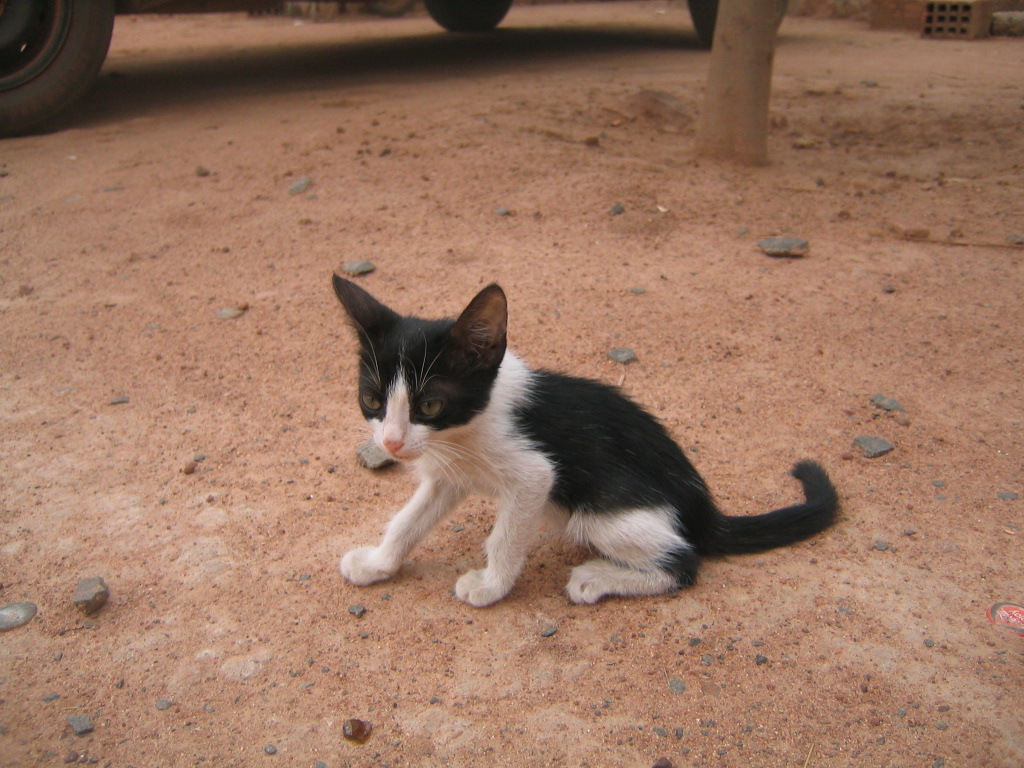
Kitten_in_Sibi_Mali_20-05-05
Kitten in Sibi, Mali.  Taken by Guaka

Please, always report cruelty to authorities, especially during times of imminent danger or harm.  The following are a few sources to use when reporting animal abuse.  See below for sample statement to Interpol, or for reporting child abuse.


1) http://www.interpol.int/Forms/Contact_INTERPOL
2) http://www.peta.org/about/contact-peta/email-form.aspx
3) https://www.humanesociety.org/resources/report-animal-cruelty
4) http://www.peta.org/about/contact-peta/report-cruelty.aspx
5) https://www.internet-signalement.gouv.fr/PortailWeb/planets/Accueil!input.action
6) http://www.peta.org/action/get-active-online/cruelty-on-the-internet.aspx/


PETAIndia

9 Things to Do if You Witness Cruelty to Animals


Additional instructions for reporting abuse on FaceBook (or other site)

If you witness cruelty on Facebook, abuse to children or animals in videos or pictures, please do not report to Facebook; if you report to Facebook the evidence may be destroyed. Please contact local authorities immediately.

Click HERE to refer to INTERPOL. Please note that Interpol may not receive your direct request for help in a timely manner; you need to contact your local, or nearby, police or law enforcement personnel who will then contact Interpol if appropriate. However, please click HERE for general Interpol inquiries and to report appropriate crimes. Scroll down to Interpol General Secretariat to include and submit information. Please note that this should not be your only source of reporting; you should contact local law enforcement as well.

Please click HERE to report online child sexual abuse to the Virtual Global Taskforce, Combating Online Child Sexual Abuse

Send INTERPOL or VGT the URL (link) to the Picture or Video you want to report.

As above, contact local, or nearby, police or law enforcement personnel or HERE to report online child sexual abuse to the Virtual Global Taskforce, Combating Online Child Sexual Abuse.

For Interpol, enter your email address in the appropriate box, enter “GRAPHIC VIOLENCE ON FACEBOOK” in the Subject Box, and then paste the “URL” referring to the Photo or Video you wish to report – with a brief message(see below for sample).


Sample Statement

I have been witness to blatant animal cruelty (or child abuse) on Facebook at the following link:

These images are extremely disturbing and clearly establish blatant crimes against animals (or children). After viewing the provided material, you will understand that this is indicative of unlawful acts of animal cruelty (or child abuse) as established by the (Animal Welfare Act) and relevant local and international statutes. I respectfully request that your resources be applied to remove this material and charge the perpetrators with relevant unlawful crimes.

Thank you for your rapid attention to this urgent appeal.

Name


Order a FREE vegan kit: http://www.peta.org/living/food/free-vegan-starter-kit/

Take PETA’s Cruelty-Free Shopping Guide along with you next time you head to the store! The handy guide will help you find humane products at a glance. Order a FREE copy HERE

Searching for Cruelty-Free Cosmetics, Personal-Care Products, Vegan Products, or more?
Click HERE to search.

Want to do more than go vegan? Help others to do so! Click below for nominal, or no, fees to vegan literature that you can use to convince others that veganism is the only compassionate route to being an animal friend.
PETA: http://www.petacatalog.com/catalog/Literature-39-1.html

Vegan Outreach: https://veganoutreach.org/order-form/


no reason to stay still
apathy KILLS!!!

Karen Lyons Kalmenson


Meet the Vegan, All-Female Anti-Poaching Team That Has Been More Effective at Defending Animals Than Any Other

July 23, 2018
by

32073015_1958832607484508_6850884007224147968_o-1

Source: International Anti-Poaching Foundation, One Green Planet


Source One Green Planet
By

Poaching is one of the largest threats presently facing precious endangered animals such as elephants, lions, and rhinos. Fed up with this senseless, ecosystem-destroying “sport,” an Australian convervationist and former military sniper named Damien Mander founded the International Anti-Poaching Foundation (IAPF) a decade ago. Since then, Mander has been working tirelessly to land on the best methods for combatting poaching and preserving wildlife in African nations.

Initially, Mander tried what he reportedly called “a fairly military approach” to fighting poaching. But in recent years, he began to rethink his strategy. He wondered, what if women were put at the forefront of wildlife conservation efforts rather than men? What if we moved away from the norm and towards something totally new?

Seeking to answer these questions, Mander launched a program called “Akashinga” (meaning “the brave ones”) in 2017. The project’s goal? To recruit African women who come from disadvantaged backgrounds — abuse survivors, single mothers, abandoned wives, sex workers, and orphans — and train them to be wildlife rangers.

To prepare them for the complex and dangerous job of African wildlife conservation, women who enlist in Akashinga go through the same training as male anti-poaching rangers. They are required to complete an extensive program covering everything from crime scene preservation to crisis management to camouflage.

To prepare them for the complex and dangerous job of African wildlife conservation, women who enlist in Akashinga go through the same training as male anti-poaching rangers. They are required to complete an extensive program covering everything from crime scene preservation to crisis management to camouflage.

So far, this unique program has been wildly successful. With nearly three dozen women on the team, Akashinga has already made around 60 arrests, resulting in a combined total of more than 41 years of jail sentences. Recently, Akashinga has successfully taken action against individuals associated with serious crimes such as zebra poaching, ivory smuggling, and sable antelope snaring.

According to Mander, Akashinga has been “more effective” than any other program he’s seen, which is saying a lot considering his long history of involvement in wildlife conservation. As he pointed out, women have a special ability to “de-escalate everything,” which may very well have something to do with the program’s great success.

In addition to empowering women and thwarting trophy hunting, Akashinga is also having a positive impact on local communities: More than 70 percent of the project’s operational costs go directly back into African communities via employment and goods and services.

As Mander reportedly said, “This is the evolution of man to see something we should have seen in the past. Women will change the face of conservation forever.”

We certainly agree with that, and we look forward to seeing this project continue to grow and thrive in coming years! If you’d like to support this awesome program, you can make a donation to the IAPF here. Your generous contribution will go towards the training and supplies needed to keep this animal-saving organization alive.

And even if you aren’t able to donate at this time, you can still help by spreading the word about this organization’s important work with everyone in your network!

Image Source: International Anti-Poaching Foundation/Facebook 


Order a FREE vegan kit: http://www.peta.org/living/food/free-vegan-starter-kit/

Take PETA’s Cruelty-Free Shopping Guide along with you next time you head to the store! The handy guide will help you find humane products at a glance. Order a FREE copy HERE

Want to do more than go vegan? Help others to do so! Click on the below for nominal, or no, fees to vegan literature that you can use to convince others that veganism is the only compassionate route to being an animal friend.

PETA: http://www.petacatalog.com/catalog/Literature-39-1.html

Looking for merchandise? Action for Animals has a very good selection : http://store.afa-online.org/home.php?cat=284

Have questions? Click HERE


warrior woman

she lives her life
by her own rules
with an open heart
and zero tolerance
for fools.

Karen Lyons Kalmenson


Chris Bachman: Scientist silenced for telling the truth about wolves

July 16, 2018
by

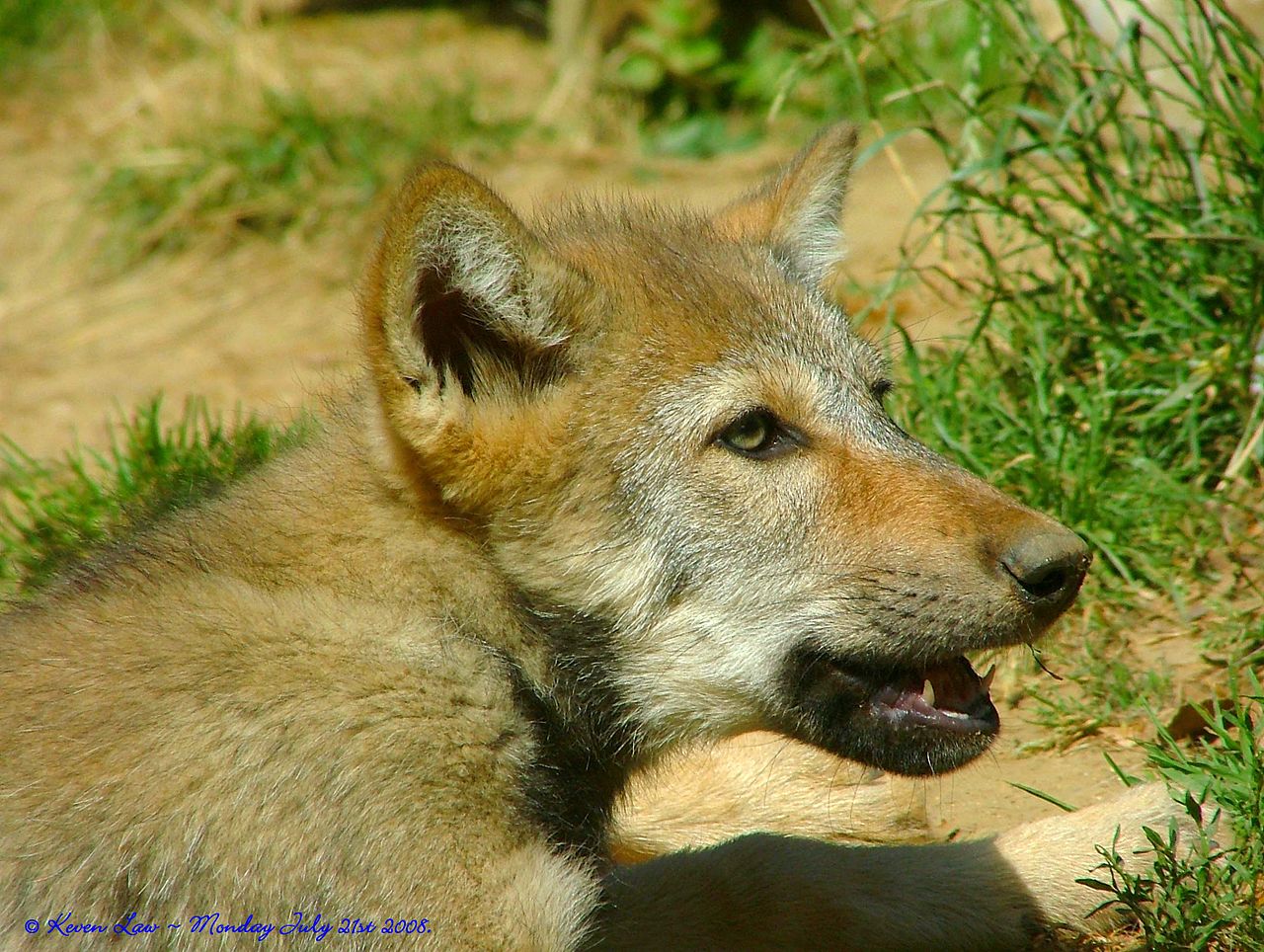
1280px-Flickr_-_law_keven_-_It's_hot_out_there....

Wikimedia Commons, Keven Law

Source The Spokesman Review
By Chris Bachman

Most of us are familiar with the “Boy Who Cried Wolf.” This is the story of the scientist who cried “truth” and the price attached. Science is humanity’s tool for revealing the truth. Denying the truth does not change it.

Dr. Robert Wielgus is a man of honor and integrity whose voice was silenced, ironically, through an act of social predation. As director of the Large Carnivore Conservation Laboratory at Washington State University, his work with large carnivores was well respected. Dr. Wielgus’ and his students’ research found that wolves and livestock can coexist. Wolves do not naturally hunt livestock – not a single wolf predation occurred when livestock were kept a half-mile from an active wolf den site. Had this peer-reviewed science been observed, unnecessary cattle deaths and slaughter of the Profanity Peak Pack could have been avoided.

Many animals have evolved to birth their young in spring, a time of plentiful resources. In spring, wolf sociality revolves around birthing puppies. Wolves remain close to the den site during this time. Livestock also birth in the spring, however human intervention has altered this to late winter so calves are ready to graze by spring. The release of cow and young calf onto public land to graze coincides with the birthing of wolf puppies and increased energy needs for the pack.

Gray wolves hunt cooperatively in family units known as packs, a social unit composed of diverse individuals with a hierarchy and social structure that facilitates cooperative hunting. Cooperative hunting involves socially complex meat-eating animals working together, with division of labor and role specialization increasing the success of the group and the individual. Cooperative hunting offers increased access to food with decreased risk to the individual, and is linked to intelligence, social organization and the evolution of sociality. Sociality is the degree to which individuals in an animal population form cooperative societies.

Cooperative hunting is also called social predation. This behavior is not unique to gray wolves; it is a behavior ever-present in humans. It is sadly ironic that Dr. Wielgus, a predator aficionado, would fall victim to social predation. In human terms, social predators are individuals who thrive embracing the pack mentality, rarely having the courage to act alone. They prey on other humans and are widely known for the predictable traits of egocentrism and aggressive social mannerisms. Dr. Wielgus was depredated by social predators – agency professionals, legislators and community members – whose self-interests are more important than truth.

Dr. Wielgus questioned the actions of the Washington Department of Fish and Wildlife and a public lands rancher that led to the slaughter of the Profanity Peak wolves. Livestock and salt blocks were placed within 200 yards of a wolf den on public land. Once discovered, no action was taken to remove the livestock, despite numerous warnings. Salt blocks were left in place, complicating the situation. When agency and industry refused to listen, Dr. Wielgus risked his reputation and went to the press and public. Once cattle were killed, seven wolves – adults and puppies – were slaughtered. This situation could have been avoided through adaptive husbandry practices and respect for nature. One rancher’s husbandry practices, coupled with WDFW’s lethal removal policy, is responsible for the killing of 15 of our recovering wolves.

Additionally, Dr. Wielgus’ research revealed that killing wolves does not lead to fewer predations on livestock; killing alters the sociality within the pack, impacts cooperative hunting, and can increase the number of breeding pairs and the overall number of wolves, leading to more predation on livestock. Killing a whole pack vacates habitat open to colonization by new wolves, also found to increase the number of livestock preyed upon. These findings do not align with WDFW’s lethal removal policy and do not support grazing cattle on our public lands. Industry and agency refused to recognize the scientific truth. Instead of adapting, they chose to kill the messenger.

Chris Bachman, a biologist and wolf advocate, is the wildlife program director at The Lands Council in Spokane. He also chairs the Eastern Washington Wolf Coalition.


Order a FREE vegan kit: http://www.peta.org/living/food/free-vegan-starter-kit/

Take PETA’s Cruelty-Free Shopping Guide along with you next time you head to the store! The handy guide will help you find humane products at a glance. Order a FREE copy HERE

Want to do more than go vegan? Help others to do so! Click on the below for nominal, or no, fees to vegan literature that you can use to convince others that veganism is the only compassionate route to being an animal friend.

PETA: http://www.petacatalog.com/catalog/Literature-39-1.html

Looking for merchandise? Action for Animals has a very good selection : http://store.afa-online.org/home.php?cat=284

Have questions? Click HERE


when truths become relative
to from whom they speak
our society and values
turn ashen
and weak.

Karen Lyons Kalmenson


Study Confirms If You Call Yourself an Environmentalist, You Need to be Vegan

July 9, 2018
by

Animal_Abuse_Battery_Cage_02

Wikimedia Commons, Ethelred


Source One Green Planet
By Estelle Rayburn

When it comes to reducing your impact on our planet, some choices make a bigger difference than others. Of course, you want to strive to do the most possible good for our Earth. So what’s the best action you can take to limit your environmental impact? According to a recent study published in the journal Science, staying away from meat and dairy products is the single most effective way to help the planet.

Scientists arrived at this conclusion after an analysis of how farming affects the Earth revealed some eye-opening statistics. According to the research, if people stopped consuming meat and dairy products, we could reduce global farmland use by over 75 percent — that’s an area that could fit all of the U.S., China, the European Union, AND Australia — while still feeding the world’s growing population successfully.

The analysis also uncovered that meat and dairy provide just 18 percent of the calories and 37 percent of the protein consumed globally, yet they take up a whopping 83 percent of the world’s total farmland and account for 60 percent of the greenhouse gases emitted in the agriculture sector. Moreover, growing any type of vegetable or cereal takes far less land and is far more sustainable than producing even the lowest impact meat and dairy, according to the study.

In fact, the research revealed that grass-fed beef, which is generally considered to have a relatively low impact as compared to other types of livestock, still takes a much higher toll on the environment than plant-based foods. As University of Oxford researcher and study leader Joseph Poore reportedly put it“Converting grass into [meat] is like converting coal to energy. It comes with an immense cost in emissions.”

Poore also described the tremendous good ditching meat and dairy can do beyond just cutting greenhouse gas emissions: “A vegan diet is probably the single biggest way to reduce your impact on planet Earth, not just greenhouse gases, but global acidification, eutrophication, land use and water use.” He went on, “It is far bigger than cutting down on your flights or buying an electric car,” as these actions merely decrease greenhouse gas emissions without helping out significantly in the other areas. Not to mention that going vegan can also help reverse the current mass extinction of wildlife, which is largely driven by wild areas being taken over for livestock production.

Overall, this study largely confirms what we already knew: Livestock production is the number one cause of global climate change. However, it provides concrete evidence that swapping out meat and dairy for delicious plant-based alternatives is not just good for the planet — it’s the single best thing you could ever do!

To learn more about how you can save the Earth through your food choices, check out the Eat For The Planet book. And don’t forget to tell everyone in your network that cutting meat and dairy has been proven to be the best step you can take in the pursuit to limit your carbon footprint!


Order a FREE vegan kit: http://www.peta.org/living/food/free-vegan-starter-kit/

Take PETA’s Cruelty-Free Shopping Guide along with you next time you head to the store! The handy guide will help you find humane products at a glance. Order a FREE copy HERE

Want to do more than go vegan? Help others to do so! Click on the below for nominal, or no, fees to vegan literature that you can use to convince others that veganism is the only compassionate route to being an animal friend.

PETA: http://www.petacatalog.com/catalog/Literature-39-1.html

Looking for merchandise? Action for Animals has a very good selection : http://store.afa-online.org/home.php?cat=284

Have questions? Click HERE


One cannot choose nor
Discriminate
The environment begins
On our plates

Karen Lyons Kalmenson


Why Rare or Heritage Breed Farming is Not Conservation

July 2, 2018
by

Rare_breed_sheep_(9580287815)

Wikimedia Commons

Source Free From Harm
By Robert Grillo


The following is my letter to the editor of The Globe and Mail in response to their May 7th article, This sheep could save our bacon someday: Why farmers are banking on rare breeds. Some of the content here is excerpted from my book, Farm to Fable: The Fictions of Our Animal Consuming Culture.  Letters to the editor can be sent to letters@globeandmail.com.

Dear Editors,

Overall, the article is based on the false premise that the conservation of so-called “rare breeds” are of the same status as endangered native species, conflating the role of conservation of native species with domesticated, “invasive” species that humans introduced solely for the purpose of commodification, which has resulted in an ongoing degradation of ecosystems and the decimation of wildlife, not its conservation. In addition, the article ignores all of the cruelty and killing of domestic animals in the process of centuries of selective breeding which involves “weeding out” weak or diseased animals and killing them off.

The article suggests that so-called “rare breed” or heritage breed conservation is humankind doing Mother Nature a favor by domesticating certain indigenous species and by introducing invasive species to her ecosystems, as if nothing existed (or at least nothing worth conserving) before our intervention, as if no species were harmed or hunted to extinction in the process of converting and maintaining once pristine ecosystems into farmland. In reality, farmers wreaked havoc on ecosystems and systematically killed off other animals that posed a threat or nuisance to their livestock investments. And the process continues today, particularly on so-called pasture-based or free-range farms, which require more land use and more confrontations with indigenous species.

Please read rest HERE


mother nature makes the rules
when man intervenes
he sometimes plays
the fool.

Karen Lyons Kalmenson


Recipe for Success: These Restaurants Flourish After Going Vegan

June 25, 2018
by

Source PETA
By Katherine Sullivan

Folks who have made the switch to vegan eating have found massive amounts of personal success. Some lost weight, others noticed younger-looking or clearer skin, and all were gratified by knowing that they’re helping to save animals and the planet. Restaurants are finding similar success. But instead of clear skin, eateries that switch to vegan menus notice improved popularity. Plus, in addition to saving animals and the planet, these establishments are saving on food costs—and gaining sales.

TheVeganizers@TheVeganizers

17 restaurants out of 22, confirmed with cold hard cash that their sales increased dramatically. Some as much as 1000%. Whether you’re for the animals or not, SBO’s should take this intel seriously as a hint on how to keep your business alive! http://ow.ly/wPDA30jkM0Z 

According to Forbes, out of 22 restaurants surveyed that made the switch to 100 percent vegan menus, the 17 that responded reported increased sales—and some saw sales surge by as much as 1,000 percent. The eateries also reported an increase in social media followings—some as much as 15,000 percent. Many also saw a decrease in food costs. Click here to learn more about these now-vegan restaurants, and read on to discover a few of our favorite success stories:

El Palote Panadería

When this restaurant opened in Dallas in 2015, it featured “vegan Thursdays.” But in 2016, a customer said it wasn’t an option to continue to support a business that continued to serve meat—so El Palote’s owners cut meat from the menu the following week. The Mexican restaurant is a family-owned business, and the father—who had a heart condition—went vegan for his health. The rest of the family quickly followed suit. The restaurant’s owners say that they didn’t put a “vegan” sign on the front door because they prefer to let the food speak for itself. According to Veganizer, El Palote’s gross sales increased by 371 percent, while the eatery’s social media fame jumped 7,500 percent. And it’s clear why—the food is “life changing.”

Secret Creek Cafe & Restaurant

Trevor Evans worked in the mines in Australia for 20 years, but what he really wanted to do was help save animals. In 2004, he opened Secret Creek, and in 2016, the family-run business—which also serves as a popular wedding venue and cake supplier—switched to an all-vegan menu. Since then, the eatery has reported an increase of sales by 153 percent. As if that’s not astounding enough, its food costs also decreased by 58 percent.

Bar Velo

In 2002, John McCormick and his wife, Vanessa Shanks, opened Café Moto—a chic, cycling-themed bar that featured a nonvegan menu. In 2016, when it came time to renegotiate their lease, they decided to start fresh with a new concept. “You think about how the future can be—how can you lessen your impact … and how can you create an environment where you feel good bringing your child to eat,” said Shanks. Thus, Bar Velo was born. The eatery—which now features a 100 percent plant-based menu—has seen a 15 percent increase in sales since making the compassionate switch.

Gelato Blue

Years after opening a gelatería in 2009, Gelato Blue in Newtown, Australia, opted to serve all-vegan gelato. “Because we are a family business, we treat our customers like family,” said the store’s manager, Fotini Platis. So in order to accommodate alltheir customers’ desires, the shop switched to serving only plant-based gelato as of 2016—on Easter Saturday, to be exact. Gelato Blue’s vegan menu was reportedly the third major plant-based menu to be launched on the same street within a span of six months, proving that the demand for compassionate eats is only rising.

Délice & Sarrasin

When you think “French cuisine,” you may not immediately think “vegan.” But Christopher Caron and his mother, Yvette—owner and chef of Délice & Sarrasin in New York City—are changing that. After opening a 99 percent vegan restaurant in 2015, the mother-son duo made the full switch a year later—eliminating cheese from their menu. Since doing so, sales have gone up by 350 percent, while the bistro’s social media following skyrocketed 1,200 percent, and it’s easy to see why. Everything—from the “steak” tartare to the vegan brie cheese—at the French eatery is Instagram-worthy.

The Fields Beneath

This coffee shop opened in London in 2012. In March 2017, after one employee went vegan, the eatery opted to start switching its menu. According to the establishment’s website, “We ‘ran out of ham’ for weeks before we decided to become more vocal about it. On Mother’s Day 2017 we stopped pouring cow’s milk into our espresso, signalling the end of animal products in our cafe.” Staff members also posted a notice explaining why they’d no longer be serving dairy “products.” Less than a month later, The Fields Beneath’s Instagram site jumped from 700 to 7,000 followers. According to Forbes, the eatery “also maintained a gross profit of 68% after turning vegan in March 2017.”

Greek Vegan Bakery

Australia’s first vegan Greek bakery didn’t start out vegan. But shortly after opening in 2016, the family-owned establishment decided that the best way to honor a late companion dog was to commit to baking with only plant-derived ingredients, including “[l]ove, care, consciousness and awareness.” The effort proved so successful that the family behind the plant-based vegan goods opened a second location—only two months after opening the original one!

Mother of Pearl

When restaurateur Ravi DeRossi announced that he wanted to turn all his restaurants and bars in lower Manhattan and Brooklyn vegan in 2015, he started with Mother of Pearl. It clearly worked—sales increased and food costs dropped. The eatery—which had mainly seen crowds looking to order late-evening drinks—started to get a dinner rush for the first time. Switching to a vegan menu proved to be so successful that DeRossi even closed Bourgeois Pig—a fondue restaurant—and reopened the space as Ladybird, a vegan tapas bar.

Soul Burger

Medical doctor Amit Tewari wants “to reduce the costs of vegan food and make it more accessible to the broader population.” That’s why, in December 2015, he turned his Sydney eatery—Soul Burger—completely vegan. Since doing so, sales have increased 347 percent, while food costs have decreased by 3 percent. Tewari has also opened three more locations throughout Sydney. PETA Australia even featured the eatery for its comedic “Breatharian menu.” The burger joint’s social media following also rose by 233 percent. Follow it on Instagram to see why:

The Organic Grill

Situated in New York City’s East Village, The Organic Grill was a vegetarian restaurant for 18 years. It slowly began removing eggs and dairy “products” from its menu a few months back. Then one day, it made it official—it announced on Instagram that it’s finally and officially an all-vegan restaurant. The new animal-free menu seems to be well accepted by customers, and it’s easy to see why. Offerings include the Tofu Omelet, the Cauliflower Parm Sandwich, pierogies, and some of the best vegan burgers in the city.

Pow Pow

After testing a vegan menu for only a few weeks, Washington, D.C., eatery Pow Pow never looked back. “PLANT-BASED stays!” it announced. Menu items include the Disco Stick Egg Roll, Trolley Fries, and a Natalie Porkman Bowl made with sweet-and-sour port seitan. Patrons seem to love the new all-vegan menu. “Support has been so great that we couldn’t imagine going back,” said Pow Pow cofounder Shuan Sharkey.

Holiday

When Holiday—formerly Roman Candle Baking Co.—closed for remodeling in April 2018, it actually meant menu remodeling. It reopened later that month, offering only plant-based (and gluten-free!) goodness. This was huge, considering that the eatery had been famous for its pizzas and “meaty hoagies. But after Duane Sorenson—who owns Holiday and founded Stumptown Coffee—went vegan, he decided that his Portland-based hot spot should be vegan, too. The fancy toast options are to die for (cashew, cardamom, and pear with a walnut crumble … seriously?) as are the fresh juices, smoothies, and coffee selections.

Joni

“All products are now suitable for vegans.” This is what the sign at Joni in Sheffield, England, read as of last month. Famous for its macarons, brunch, and delicious coffee, the eatery went completely vegan after requests from customers. Although the macarons are the star, you can also get savory items like a tofu stir-frymushrooms on toastfalafeljackfruit wraps, and more. But seriously, don’t leave Joni’s without a macaron.

We must admit—we’re not at all surprised by these success stories. Vegan lifestyles are on the rise. Consumers are becoming more and more aware of the benefits of not eating animals, and restaurants are responding in kind.

Have you joined the vegan revolution?

Going vegan is easier than ever before and—as these restaurants prove—a recipe for success. Click here to receive a free vegan starter kit packed full of recipes, tips on eating out, and important health information. Going vegan may be easier than ever before, but we’re here to make it even easier. If you’re a restaurant owner and want information or tips on switching to a vegan menu, click here to contact PETA today!


Order a FREE vegan kit: http://www.peta.org/living/food/free-vegan-starter-kit/

Take PETA’s Cruelty-Free Shopping Guide along with you next time you head to the store! The handy guide will help you find humane products at a glance. Order a FREE copy HERE

Want to do more than go vegan? Help others to do so! Click on the below for nominal, or no, fees to vegan literature that you can use to convince others that veganism is the only compassionate route to being an animal friend.

PETA: http://www.petacatalog.com/catalog/Literature-39-1.html

Looking for merchandise? Action for Animals has a very good selection : http://store.afa-online.org/home.php?cat=284

Have questions? Click HERE


food for thought
all our efforts
not for
naught!!!

Karen Lyons Kalmenson


The Rescue of Kukkuta and the Rooster Dilemma

June 18, 2018
by

Source United Poultry Concerns
By Hope Bohanec

On the Saturday before Easter I got a call from a friend who was worried about an injured rooster in the Walgreens parking lot about five minutes from my house. A feral population of roosters and hens have made their home in the fields of tall grass and parking lots around Peet’s Coffee and Walgreens in Cotati, California. It’s the same area where I recently rescued a mama hen and her six newborn chicks and took them to a local farmed animal sanctuary. The chickens have become a novelty around there. Peet’s puts out water for them and people come just to hang out with the colorful birds, feeding them bits of scone and taking their pictures. But the population is growing and more and more roosters are being dumped there.

Kukkuta bloodied and laying on the pavement

Source UPC, Hope Bohanec

I drove out to see what was going on and there was a police car parked outside the Walgreens. I asked the officer if she was there because of the rooster and she said yes, that Walgreens had called the Cotati police concerned about him. Apparently a larger rooster had been bullying him for hours. We found him lying on the ground in the middle of a parking space with blood splattered around him on the pavement. The triumphant rooster was pacing back and forth, hovering over him on the curb. We shooed away the tormenter and had a look at the poor guy. He was frozen in shock. His face, head, neck, and comb were covered in murky blood and his left eye was swollen shut with fresh blood dripping out of it.

I asked what she was going to do and she didn’t know. I sat next to the pitiful little guy and was able to put him in my lap and get a good look. He had a lot of blood on him, but the only injury I could find was to his eye. I couldn’t find any wound on his body or neck or comb. I told her there was a good chance he could recover, but she said they would probably “put him down” as no one would want to drive him all the way up to Animal Control on Easter weekend. He would likely be euthanized at Animal Control anyway, so I ended up with a rooster in my car. I knew he would be my responsibility. I had just tried to help someone find a home for a rooster a few weeks before and no sanctuary in the area could take a rooster, but there was no other choice. His life was in my hands.

Kukkuta resting in a carrying crate with drinking water

Source UPC, Hope Bohanec

For seven days he didn’t move. We put him on soft towels in an animal carrying crate and he just sat, frozen. The poor soul was so traumatized. He was not interested in food or water. We tried to entice him with blueberries, pasta, apples, rice, bananas; nothing worked. His eye was so swollen it was the size of a marble and the blood had dried stiff and black all over his head. I got some antibiotic cream and applied it twice a day. A few times, I took him out of the crate and set him in the sun for a while, trying to enliven him, but he would just sit, motionless and listless. Every morning I ran to the crate to check on him, so afraid that he might have died during the night. We named him Kukkuta (which means rooster in Sanskrit).


Being vegan for 28 years, I have long respected chickens’ lives, but I had never lived with a chicken. Kukkuta has awakened something incredibly special in me. I love him so much, and while I had a strong vegan philosophy before, now more than ever I simply can’t imagine anyone purposely killing a sentient individual like Kukkuta. It’s a different level of unimaginable now. Everything in me wants to protect him and keep him alive. This is a love I wish everyone could experience, for you can never again think of harming an animal after knowing this kind of love and compassion.


The Tragedy of Unwanted Roosters

Kukkuta needed to be rescued because people eat eggs. You don’t see the connection? Let me lay it out for you. Because of the tireless work of animal advocacy organizations like United Poultry Concerns, there’s a growing awareness that hens suffer in the egg industry. In Sonoma County, people have bought into the “farm to table” ethos and want a more natural and “humane” experience. The area is largely wealthy and people not only in rural areas, but in suburbs and neighborhoods near downtown, are buying chicks from feed stores and off Craigslist and raising their own chickens for eggs.

This may seem like a positive trend, but there is a hidden hindrance – for every hen born, so is a rooster.

Roosters are unwanted because, of course, they don’t lay eggs. They also crow so they aren’t welcome, or even legal to keep, in many neighborhoods. Most areas of Sonoma County will allow up to 12 hens, but no roosters. Because they are worthless to the egg industry, male chicks are killed just hours after emerging from their shells in the hatcheries. They are thrown away alive by the billions, dumped into huge trash bins to suffocate on the weight of their brothers and die slowly of dehydration or freezing to death. Many are ground up alive in maceration machines where sharp blades like huge blenders chop up their tiny bodies for fertilizer, pet food and other products.

Determining the sex of a chick is not an exact science, so many males are shipped to feed stores and sold as hens. A backyard “enthusiast” discovers that one of her “hens” is a male so she “gets rid” of him. It’s increasingly difficult to find homes for roosters. Overwhelmed animal shelters end up euthanizing most of them. Other roosters get dumped on the side of the road. This is what’s happening in Cotati at Peet’s Coffee. People see chickens there, so they dump their unwanted rooster thinking he will be fine, but not necessarily. Roosters are territorial, and as the numbers increase, the newcomer may have to face a bird defending his territory and be injured, stressed or even killed. My guess is that this is what happened to our sweet rooster.

Kukkuta standing on a fallen log

Source UPC, Hope Bohanec

Kukkuta’s Road to Recovery

Slowly the swelling of Kukkuta’s eye subsided and on the seventh day of being a guest in our small backyard, he stood up and walked out of the crate and started drinking some water. We were thrilled! He dunked his head under the water again and again, washing the crusted blood off his face and comb. The next morning we heard him crow for the first time and it was a joyful sound! A robust celebration of life! He is doing great now and he has been a perfect gentleman, never pecking when I reach for him or kicking when I pick him up. He is a gentle soul.

 At first he needed about a four foot radius around us, unsure of his rescuers’ intent. But now he comes right up, following us around the yard and crowing when we go inside because he misses us. He will come right up to the sliding glass door on the deck and hang out, peering in, waiting for our attention. He talks to us with sweet clucks, bocks, and coos of affection and gratitude when we give him food. He is so full of life, busy all day and loves to interact with us. We are mesmerized watching him.

A New Level of Love

Being vegan for 28 years, I have long respected chickens’ lives, but I had never lived with a chicken. Kukkuta has awakened something incredibly special in me. I love him so much, and while I had a strong vegan philosophy before, now more than ever I simply can’t imagine anyone purposely killing a sentient individual like Kukkuta. It’s a different level of unimaginable now. Everything in me wants to protect him and keep him alive. This is a love I wish everyone could experience, for you can never again think of harming an animal after knowing this kind of love and compassion.

My husband and I unfortunately can’t keep Kukkuta because we rent our small duplex. A vegan activist friend who lives out on Cobb Mountain has agreed to adopt him and we are overjoyed that he will be “staying in the family” by going to a vegan home. She has an acre of land and three rescued hens, but no rooster. When she saw my post on Facebook, she and her partner had already been talking about rescuing a rooster to be with their hens. They are setting up and securing a space for him. We are going to miss him so much and we’ve already cried a few times this week thinking about him leaving. But we’re glad he is going to a home with other chickens because he needs friends.

This whole experience has enriched my life, strengthened my understanding of veganism, deepened my commitment to protecting chickens, and most of all, I will never forget my friend Kukkuta.
– Hope Bohanec, May 1, 2018


Hope Bohanec is the Projects Manager for United Poultry Concerns and the author of The Ultimate Betrayal: Is There Happy Meat?.


Order a FREE vegan kit: http://www.peta.org/living/food/free-vegan-starter-kit/

Take PETA’s Cruelty-Free Shopping Guide along with you next time you head to the store! The handy guide will help you find humane products at a glance. Order a FREE copy HERE

Want to do more than go vegan? Help others to do so! Click on the below for nominal, or no, fees to vegan literature that you can use to convince others that veganism is the only compassionate route to being an animal friend.

PETA: http://www.petacatalog.com/catalog/Literature-39-1.html

Looking for merchandise? Action for Animals has a very good selection : http://store.afa-online.org/home.php?cat=284

Have questions? Click HERE


when will manunkind ever learn
there is no way to micromanage
what is tragic collateral damage.
what we do
who we harm
what we eat.
will ultimately lead
to our own species
defeat!!!

Karen Lyons Kalmenson


We’re so vain – thoughts on intelligence

June 11, 2018
by

Source There’s an Elephant in the Room blog
About HERE

Another comment that often appears amongst the arsenal of tired old excuses that humans cling to in their attempts to justify the use of members of other species, centres around presumptions of superior intelligence when compared with every other species on the planet. When asked to provide examples, reference is sometimes made to landmarks of human endeavour such as writing symphonies, great works of literature, major inventions through the ages, and travelling to the moon, amongst others.

Well yes. These are indeed breathtaking achievements, but let’s just stop for a moment and get a grip on reality. Given that we, as a species, currently number some 7.5 billion individuals, there are relatively few humans whose names ring out across the centuries as beacons of intellectual prowess. Da Vinci, Archimedes, Newton, Tesla, Hawking and several others are names that stand out. For the rest of us – the vast majority, that is – no one is ever going to wax lyrical about our towering accomplishments.

What actually is intelligence?

Most of us are simply ordinary people, even though we are surrounded by technological marvels. Our expertise extends to knowing where the ‘on’ and ‘off’ switches are. If one of us were to be left somewhere with no tools or weapons, no instructions, no raw materials and no access to Google, I suspect that no one would ever be able to invent and create a computer for themselves, or write a symphony, or travel to the moon, and rocket scientists would not need to open their ranks to any newcomers. In fact many if not most of us would be seriously challenged to create some form of shelter or find something to eat without a handy supermarket.

To quote Isaac Newton in a letter in 1676:

“If I have seen a little further it is by standing on the shoulders of Giants.”

Although this is similar to a phrase used by the 12th century John of Salisbury, it may even pre-date him as he was known to have adapted and refined the work of others.  Which really serves to illustrate the point that as humans, we are standing on the shoulders of giants, and the majority of us would never have attained the comforts and wonders that surround us, had it not been for the accumulated efforts of others. Thus, for us to claim some level of superior intelligence based on the achievements of the intellectual giants of our species could not even be called tenuous. It’s actually laughable.

So what about ordinary people like me?

So what about just general, common-or-garden intelligence then? When we look deeper into definitions of human intelligence, Wiki provides many angles and measures and it seems like the jury is still out on that one. There are theories about so many aspects; linguistic, logical, spatial, bodily, interpersonal, intrapersonal.  There is no single definition that encompasses everything and I’ve been on the planet long enough to know that few of us would shine in even one of these areas, far less all of them.

Yet it is abundantly clear that despite the limitations that the majority of us have, whatever method by which we decide to define intelligence, however nebulous, however narrow, is the yardstick by which we as a species, generally presume to measure every other. It speaks to our elitist and speciesist mindset that we find and in fact expect to find articles about intelligence  in the human animal separate from articles about intelligence in other animal species.

Looking for the sake of comparison at pages about intelligence in other animal species, I was not particularly surprised to find that the subject seemed to be broken up into a series of anecdotes, many of which are about individuals whose actions were in some way thought notable, combined with sparse paragraphs that say so little about a whole species as to be almost insulting, as well as one or two more lengthy pieces discussing wider issues such as theory of mind in animals. Our recognition of their skills is grudging even at best, frequently couched in surprised or patronising terms, determined that whatever we discover is not indicative of anything that would elevate their status to being worthy of their birthright to live their lives free from the violence and brutality of our merciless exploitation.

Shackles in a slaughterhouse for hens.  Source There’s an Elephant in the Room blog

Life in a mirror

And in just the same way as our definition of ourselves as ‘animal lovers’ astonishingly disregards the copious bloodbath for which we are each personally responsible when we refuse to be vegan, our eager definition of ourselves as ‘intelligent’ includes pinnacles of human achievement that we personally can scarcely even understand, far less ascribe to. Despite this, we claim this ‘human intelligence’ as if it were our own, and we use it as a cudgel with which we bludgeon our way through the lives, the bodies and the habitats of our fellow earthlings; arrogantly assuming that although we have never taken the time to think about how this supposed intelligence manifests itself in the creature we see in the mirror, we are safe to assume that every other species is inferior.

And in just the same way as our definition of ourselves as ‘animal lovers’ astonishingly disregards the copious bloodbath for which we are each personally responsible when we refuse to be vegan, our eager definition of ourselves as ‘intelligent’ includes pinnacles of human achievement that we personally can scarcely even understand, far less ascribe to. Despite this, we claim this ‘human intelligence’ as if it were our own, and we use it as a cudgel with which we bludgeon our way through the lives, the bodies and the habitats of our fellow earthlings; arrogantly assuming that although we have never taken the time to think about how this supposed intelligence manifests itself in the creature we see in the mirror, we are safe to assume that every other species is inferior.

And what exactly is that creature in the mirror doing with all their intelligence? Well I know what the one in my mirror does. She cares for those for whom she feels responsible, looks after the place she thinks of as home, struggles to find a way to acquire the resources she needs to keep herself and those who depend on her fed, clothed, warm, safe and sheltered from the weather. Occasionally she’ll write, she’ll talk with friends, gather information about what others are doing with their time. It’s what I do. And let’s be honest, isn’t that what most of us do?

Recently I have shared a video or two that have been greeted with much delight – I’ll link them at the end. One depicts a tiny bird carefully and with consummate skill, sewing leaves together to create a shelter where she can build her nest. Another video gave an insight into the complex and fascinating life of members of the crow species.

And do you know what they were doing?  They were looking after those for whom they were responsible, looking after the places they regarded as home, struggling to acquire the resources they needed to keep themselves and their dependants fed, safe and sheltered from the weather, gathering information about what others were doing with their time.

Common ground, shared priorities

In short, we have more that connects us with every other species than we care to admit. Each of us is simply living from day to day, caring for family, staying fed and sheltered. That is the level on which most of us function. And when we drop the assumption that we’re so superior to other species, other questions present themselves. Who the hell are we to measure all others by the standards we set – not for ourselves because we know we’re not in the same ballpark – but rather for a few individuals of our species? Who are we to decide that other species are not important enough to live unless they do so exclusively for our interests? And even – how do we actually know that we are the only species in which individuals come along every so often whose brilliance outshines us all?

We are a rather tragic species suffering from a delusion that we are apart from all others, brutalising and destroying our way through our days, rather than acknowledging our role as a part of the interwoven, interdependent network of life and living that is planet Earth. These delusions of ours are dragging the planet we share to the brink of an abyss of our making, a beckoning cataclysm caused by our arrogant assumption that our shared world and everyone who has fur or feathers, scales or wings, have no purpose other than to serve our petty whims and convenience. The end is perilously close, and time is running out for us to stop the behaviour that is causing the problem.

If we don’t wake up, and wake up very soon, it will be too late for every one of us, and being responsible for planetary disaster on an apocalyptic scale is hardly something that any intelligent species would do.

Be vegan.

Information and links:

Tailor bird
Crows
Birds and the Earth's magnetic field
Climate change links for information


what is true intelligence
a balanced blend of the creative
and common sense.
learning to fit into the world
not mold it around oneself
caring about the world
we live
and about its health.

Karen Lyons Kalmenson