HighestWelfare.Humane.Assured.GoodPractices.Vegetarian. Regenerative.Flexitarian.Lies...
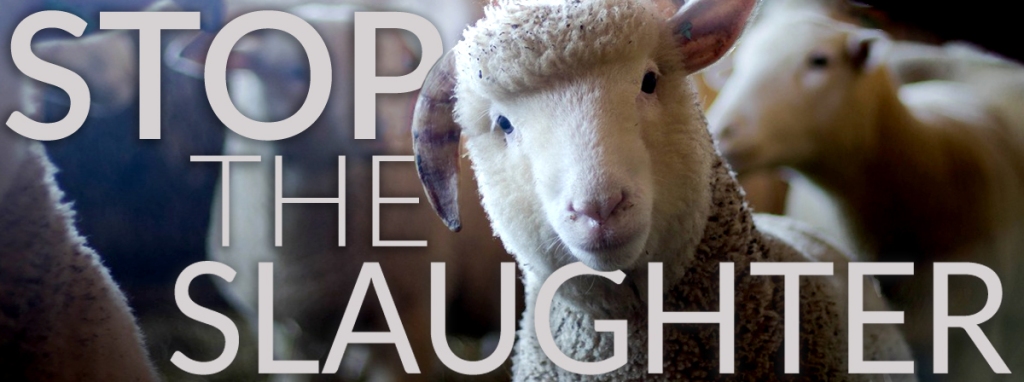
What is the difference between No Welfare, High Welfare, and Highest Welfare when they all require animals to die? Only human comfort, NONE protect the actual animals. The most humane, ethical, and honest Webster-defined "welfare" is NOT exploiting animals - not using, not wearing, not eating, not killing - animals. The only meaningful position is vegan, everything else is just how humans euphemize animals' required suffering and violent deaths: no human exploits animals because they honestly believe that NOT exploiting animals is UNethical or INhumane.
The End of Suffering: a film to save the world
Source Indigogo
Please click HERE for background and to contribute
“The End of Suffering” -a documentary film to save the world.
Our world is undeniably filled with suffering. The seemingly disparate problems we face can seem insurmountable. Yet these problems share common roots. They can be traced back to our fundamental disconnection from our own highest nature as well as our disconnection from and exploitation of other beings and the natural world.
The world is on fire, but we can put the fire out through realizing our interconnection with all life and living in harmony with the truth of interbeing. The Buddha said “I teach suffering and the end of suffering.” This is a film about suffering and the end of suffering.
I need to raise enough money to get the project started. That’s why I’m reaching out to my compassionate friends who share my love for all beings and deep longing to do whatever we can to help alleviate suffering and transform the world.
Short Summary
To try to make a seemingly insurmountable subject (suffering) coherent, I’m going to use the Buddha’s Four Noble Truths as a framework for explaining the problem and the solution. Our world is experiencing devastation and destruction on just about every front, from the environmental crisis to terrorism, extreme poverty, hunger, the refugee crisis, violence, despair, loneliness, discrimination, exploitation, and the brutal abuse of non-human animals. This is the Buddha’s First Noble Truth: the truth that the world is filled with suffering.
All of these seemingly disparate problems, and others, have a common root that can be traced back to our disconnection from our own highest nature of compassion, kindness and interconnection as well as our disconnection from and exploitation of other beings (human and non-human) and the natural world. This is the Buddha’s Second Noble Truth: the truth of the cause of suffering.
The good news is that once we understand the true root causes of suffering, we can change our view and we can change our ways, and in doing so we can end both our own personal suffering and that of others. This is the Buddha’s Third Noble Truth: the truth of the end of suffering.
The only possible solution to these interrelated global problems, the one that can save us before it’s too late, the one that can help us create a world based on altruism and compassion for others, is to recognize our interconnection with other beings and the natural world, to embrace our highest and truest nature of compassion, mercy, and brotherhood, and to answer love’s call to care about the beings at the edge of the light. This is the Buddha’s Fourth Noble Truth: the path that leads to the end of suffering.
We’re going to shoot the film in several locations, including a vegan monastery in Batesville, MS, and a farmed animal sanctuary in Poolesville, MD. Several wonderful teachers of compassion and compassionate activists have agreed to participate in this film including Dr. Will Tuttle, author of The World Peace Diet, the venerable Tashi Nyima, a fully ordained Buddhist monk and Board Member of Dharma Voices for Animals, Bruce Friedrich, former Vice-president of PETA and currently Executive Director of the Good Food Institute, and Terry Cummings, Director of Poplar Spring Animal Sanctuary, as well as many other voices from across the spectrum of secular science, spirituality and religion, who will all discuss the almost universally recognized truth that we have the capacity to be compassionate and that our happiness and survival depend on it.
What I’m Asking For and Why
I’ve started this crowdfunding campaign to make a theater quality documentary to spread a message of universal compassion and sustainability to as wide an audience as possible. This film feels like the most natural extension of everything my life has been about. It is a distillation of everything I’ve learned about suffering and the causes of suffering as well as the path that releases us from suffering. In order to make the high quality film I want to make, one that will have the impact such an important message should have, I will need to raise quite a lot of money. I plan to apply for grants that I hope will cover the bulk of this. But most grant organizations want to see previous work. So the catch 22 I’m in now is that as a first-time filmmaker, I have no work-product to show potential grantors to get funded to make the work product they want to see before they’ll fund me! So this is where you all come in. I need to raise enough money to put together about 10 minutes of the film and prove to potential funders that this project is worth supporting. These funds will cover a high quality camera, a talented and experienced Editor, Sound Engineer, and some (budget!) travel to a vegan monastery in Batesville, MS practicing in the tradition of Thich Nhat Hanh and to Poolesville, MD to film the people who run Poplar Spring Animal Sanctuary and the animals they have saved.
What You Get
One of the major themes of the film is that real happiness comes from helping others. Every one of you who contributes to the film or supports it any way can help bring light and love to those beings whom we’ve excluded from our circle of compassion and help create a world where Earth and all her children are treated with respect and kindness, and also, you get a bunch of cool swag! 🙂 You can see all this in the side bar, but some of the ways I’m planning to thank you all are with tons of gratitude and eternal love as well as with things like the e-cookbook Annie Oliverio and I put together, my new book “Lotus of the Heart”, t-shirts, retreats at one of the monasteries featured in the film, and the opportunity to appear in some of the film’s sanctuary scenes. At all levels the rewards are pretty awesome and all involve excellent and incalculable karmic benefits!
The Impact
The reason I want to make a film is that I have personally been so affected by documentaries I have seen. To me, nothing is more impactful and powerful than a well crafted, emotionally authentic film that raises awareness and offers tools for real change. We cannot have compassion, we cannot help others or ourselves if we aren’t aware of the problems we face, or the solutions which are available. My hope with this film is to help raise awareness about the true causes of our suffering, about the intersectionality of the major problems we face today, as well as the path that can lead us out of suffering. My hope is that this film will help us understand that our well being is inextricably linked with the well-being of others, both human and non-human, as well as the planet, and that it will offer the inspiration and provide a blueprint to help us live in a way that reduces suffering and increases compassion and happiness for humans and non-humans.
This is the same message I try to convey in everything I do from the book I have scheduled to come out any day now (Lotus of the Heart: Living Yoga for Personal Wellness and Global Survival”) to the vegan cooking and educational classes I’ve been giving for the last 5 years, the yoga that I teach and the amazingly wonderful non-profit I run with a group of truly peaceful warriors in Mobile, AL. To get this message out to a much larger audience, it’s time to turn it into a film! And for that, I need the help and support of the global community of compassionate humans who share my vision of a more compassionate world for all beings.
Risks & Challenges
There are no real risks. Though it will certainly be a challenge to raise all the funds I need. I’ve decide to go with Indigogo because with this platform I keep any money we raise even if we don’t hit the goal. That way, we can start filming right away working with whatever I have. I will use whatever we raise to fund as much of this project as I can, whether that’s hiring a cinematographer for one hour or making the whole dang thing!
Other Ways You Can Help
If you can’t help financially with this campaign, you can do so much to help make this project successful by spreading the word! That’s how crowdfunding works. It’s really all about community. Crowdfunding is one of the ways we can come together to do things collectively that we couldn’t do alone. The Venerable Thich Nhat Hanh, believed by many to be a living Buddha, says the Buddha of the future won’t be an individual but a community. I can’t do anything without the support of this community, so whether you can make a financial contribution or not, if you believe in the message of this film, please help me get the word out to everyone who’d want to be a part of this, to everyone who believes in living our lives in harmony with the planet and all other beings, who believes in living a life of non-violence, who is or wants to be part of the grass-roots movement to create an alternative to the the status quo based on domination and exploitation, who is or wants to be a part of ushering in a world where none are excluded from the circle of compassion, a world where all lives matter, where not one is left out of the light.
A bit about me, a.k.a., bio:
Tracey Winter Glover, JD, RYT 200, is the Co-Founder and Director of the 501(c)(3) non-profit Awakening Respect and Compassion for All Sentient Beings (“ARC”), based in Mobile, Alabama. After graduating Phi Beta Kappa from the University of Michigan in 1998, Tracey spent two years as a humane rescue and cruelty officer with the Humane Society of Huron Valley, before returning to the University of Michigan to study law. While in law school, Tracey focused on refugee and asylum law as well as Constitutional law. She was chosen as a Michigan Fellow in Refugee and Asylum Law based at the UN High Commissioner for Refugees and was the recipient of the prestigious Book Award in Fourteenth Amendment Law. She spent eight years practicing law in both the public and private sectors in Washington DC, before landing in Mobile, Alabama where in 2011, she started a small business, The Pure Vegan, through which she offers a vegan meal delivery service, cooking classes, and vegan educational seminars to both public, private, and corporate groups. Tracey also teaches yoga and meditation through her Shanti Warrior School of Living Yoga. She has published many articles in the popular media relating to animal rights, yoga, and veganism. She is the author of the book “Lotus of the Heart; Living Yoga for Personal Wellness and Global Survival” to be released in March, 2016 through Lantern Books.
Order a FREE vegan kit: http://www.peta.org/living/food/free-vegan-starter-kit/
Take PETA’s Cruelty-Free Shopping Guide along with you next time you head to the store! The handy guide will help you find humane products at a glance. Order a FREE copy HERE
Want to do more than go vegan? Help others to do so! Click on the below for nominal, or no, fees to vegan literature that you can use to convince others that veganism is the only compassionate route to being an animal friend.
PETA: http://www.petacatalog.com/catalog/Literature-39-1.html
Looking for merchandise? Action for Animals has a very good sele : http://store.afa-online.org/home.php?cat=284
Have questions? Click HERE
Read more…
Why Vegetarians Should Go Vegan
Source The Vegan Activist, YouTube
Most vegetarians are not aware that dairy, eggs and honey are cruel and unhealthy products. They have not researched the wool and leather industries and they are ignorant about animal testing. In the following video, I will explain everything as clearly as possible.
Help support the channel via Patreon: https://www.patreon.com/theveganactiv…
Further reading & watching:
Myth 1: “No Animals are Killed for Eggs & Dairy”
http://freefromharm.org/dairyfacts/
http://freefromharm.org/eggfacts/
https://youtu.be/W4J2Q4BhZE8
Myth 2: “We Need Animal Products to be Healthy”
http://www.pcrm.org/health/diets/vegd…
http://www.pcrm.org/health/eggs/the-t…
https://www.youtube.com/watch?v=TS9hh…
https://www.youtube.com/watch?v=JTfvd…
Myth 3: “I only buy Free-Range…”
http://freefromharm.org/common-justif…
https://www.youtube.com/watch?v=OVxh3…
Myth 4: “I raise my own”
http://freefromharm.org/farm-animal-w…
http://www.theveganwoman.com/is-it-et…
Myth 5: “Honey is Healthy and causes no Harm”
http://www.vegetus.org/honey/honey.htm
http://www.rawfoodexplained.com/sugar…
https://www.youtube.com/watch?v=E0N8U…
Myth 6: “Wool and leather causes no harm”
http://www.peta.org/issues/animals-us…
http://www.peta.org/issues/animals-us…
https://www.youtube.com/watch?v=M5Ge5…
https://www.youtube.com/watch?v=0XE-e…
Myth 7: “Animal Testing is Humane and Necessary”
http://www.peta.org/issues/animals-us…
http://www.navs.org/
https://www.youtube.com/watch?v=hTPvo…
—
HOW TO GO VEGAN OVERNIGHT
https://www.youtube.com/watch?v=8o9uz…
STEP 1- Educate yourself:
The Best Speech You Will Ever Hear: https://www.youtube.com/watch?v=U5hGQ…
Farm to Fridge: https://www.youtube.com/watch?v=tzrRm…
Why vegetarians Should Go Vegan: https://www.youtube.com/watch?v=3f5uU…
STEP 2- Eat vegan
Complete Guide to Vegan Food: https://www.youtube.com/watch?v=htf5e…
STEP 3- Cosmetics and Clothing
Complete Guide To Vegan Cosmetics: https://www.youtube.com/watch?v=_oXC9…
Complete Guide To Vegan Clothing: https://youtu.be/MQXWa99Q3q0
STEP 4- Live vegan and connect
Facebook groups: https://www.facebook.com/search/group…
Twitter: @VeganRevolution
STEP 5- Become an activist
Guide to Vegan Activism: https://www.youtube.com/watch?v=_-IHy…
Vegan Revolution Podcast: https://soundcloud.com/the-vegan-revo…
—–
Subscribe and follow The Vegan Activist :
YouTube: https://www.youtube.com/channel/UCE0y…
Instagram: https://instagram.com/theveganactivist/
Twitter: https://twitter.com/VeganActivist1
Email: theveganactivist@hotmail.com
Order a FREE vegan kit: http://www.peta.org/living/food/free-vegan-starter-kit/
Take PETA’s Cruelty-Free Shopping Guide along with you next time you head to the store! The handy guide will help you find humane products at a glance. Order a FREE copy HERE
Want to do more than go vegan? Help others to do so! Click on the below for nominal, or no, fees to vegan literature that you can use to convince others that veganism is the only compassionate route to being an animal friend.
PETA: http://www.petacatalog.com/catalog/Literature-39-1.html
Looking for merchandise? Action for Animals has a very good sele : http://store.afa-online.org/home.php?cat=284
Have questions? Click HERE
Read more…
Beanie Babies In Real Life
Source YouTube
What if Beanie Babies were treated the way animals are treated in real life? For a full breakdown of what is being done to each animal, click here: http://peta2.me/2wp96 Subscribe: http://peta2.me/2wp97
Order a FREE vegan kit: http://www.peta.org/living/food/free-vegan-starter-kit/
Take PETA’s Cruelty-Free Shopping Guide along with you next time you head to the store! The handy guide will help you find humane products at a glance. Order a FREE copy HERE
Want to do more than go vegan? Help others to do so! Click on the below for nominal, or no, fees to vegan literature that you can use to convince others that veganism is the only compassionate route to being an animal friend.
PETA: http://www.petacatalog.com/catalog/Literature-39-1.html
Looking for merchandise? Action for Animals has a very good sele : http://store.afa-online.org/home.php?cat=284
Have questions? Click HERE
Read more…
British Farmer’s Son Shocks Vegan World with this Video
Source YouTube
A spoken song to broaden views and help make a change. Find more at vegansongs.com
Order a FREE vegan kit: http://www.peta.org/living/food/free-vegan-starter-kit/
Take PETA’s Cruelty-Free Shopping Guide along with you next time you head to the store! The handy guide will help you find humane products at a glance. Order a FREE copy HERE
Want to do more than go vegan? Help others to do so! Click on the below for nominal, or no, fees to vegan literature that you can use to convince others that veganism is the only compassionate route to being an animal friend.
PETA: http://www.petacatalog.com/catalog/Literature-39-1.html
Looking for merchandise? Action for Animals has a very good sele : http://store.afa-online.org/home.php?cat=284
Have questions? Click HERE
Read more…
Source Vimeo
From Melanie Light
The award winning short film directed by Melanie Light. Written by Ed Pope. Starring Pollyanna McIntosh, Victoria Broom and Charlotte Hunter. Dylan Barnes, Jon Campling, Francessca Fowler, Andrew Shim and Sarah Jane Honeywell.
After a year of playing festivals around the world this powerful short film is now freely available online.
Synopsis: A number of kidnapped and trafficked women find themselves imprisoned in a squalid medical facility. For Paula her continued survival relies on her basic human function. Escape, on any level, is seemingly impossible as the women are condemned to a life of enforced servitude at the whims of their captors for one reason only – their milk.
The Herd replaces female cows with female humans, and by doing so hopes to promote a greater understanding of the suffering inflicted upon cows in the dairy industry.
Known as the first feminist vegan horror film.
If you would like more information on the subject matter please head over too -> White Lies – whitelies.org.uk and viva.org.uk
Awards:
-Best Short film – Festival Boca do Inferno 2 (Brazil ) Nov 2015
-Best Cinematography- Bart Sienkiewicz – British Horror Film Festival ( UK) Nov 2015
-Best Short Horror Film – Celluloid Screams ( UK ) Oct 2015
-Best Foreign Short film – Russian Annual Horror Film Awards (Russia ) Jan 2015
-Best Horror Short – London Independent Film Festival (UK) April 2015
-Best Horror /Sci Fi – Sunderland Shorts (UK) July 2015
Festivals:
-Grimm Fest Up North (UK) Opening Gala film Oct 2014
-British Shorts Film Festival (Germany) Jan 2015
-Russian Annual Horror Film Awards (Russia ) Jan 2015
-Open Screen ( Luxembourg ) Jan 2015
-London Independent Film Festival ( UK ) April 2015
-Fantaspoa Festival apart of the International Fantastic film festivals ( Brazil ) May 2015
-Cannes short film Corner ( France ) May 2015
-East End Film Festival ( UK ) July 2015
– Sunderland Shorts ( UK ) July 2015
– Animal Publics: Emotions, Empathy, Activism Conference. The University of Melbourne ( Australia ) July 2015
– MARFICI , International Independent Film Festival Mar del Plata ( Argentina ) August 2015
-Women Underground ( USA ) August 2015
-Rome International Film Festival ( USA ) Sept 2015
– Shriekfest ( USA ) Oct 2015
-Festival International Du Court Metrange et Fantastique ( France ) Oct 2015
– Mayhem Horror Festival ( UK ) 2015
-Sitges Fantastic Film Festival ( Spain ) Oct 2015 ( in competition, Official Oscar qualifying film festival)
-Celluloid Screams ( UK ) Oct 2015
-British Horror Film Festival ( UK ) Nov 2015
-Leeds International Film Festival ( UK ) Nov 2015
-Paris International Fantastic Film Festival ( France ) Nov 2015
-Trieste Science + Fiction Festival Della Fantascienza ( Italy ) Nov 2015
-Festival Bocado Inferno ( Brazil ) Nov 2015
-PDXtreme Fest ( USA ) Dec 2015
-Courts Mais Trash ( Belgium ) Jan 2016
-VegBar ( UK ) Jan 2016
– Fright Night Theatre Film Festival – ( Canada ) March 2016
-Mecal, International Festival of Short Films and Animation of Barcelona ( Spain ) April 2016
Cast:
Female Captor – Pollyanna McIntosh
Paula – Victoria Broom
Sarah – Charlotte Hunter
Dylan Barnes- Male Captor 2
Jon Campling- Male Captor 1
Sarah-Jane Honywell- Commercial girl
Francessca Fowler- Dry Girl
Andrew Shim- Male Captor 4
Seamus O’Neill- Suit
Crew:
Producer / Director / Production Designer – Melanie Light
Writer – Ed Pope
Cinematographer – Bart Sienkiewicz
Editor – Sara Galvao
Composer – Laurent Barnard
Sound Design – Dean Covill
Art Direction – Phil Smith
Costume Design – Gemma Bedeau
Make-Up – Ruth Pease
SFX – GTFX & Tristan Versluis
VFX – Cranrust FX
Colourist – Jason r Moffat
facebook.com/TheHerdMovie/
The Herd limited edition cassette tape with music composed and performed by Laurent Barnard -> etsy.com/uk/listing/256731399/the-herd-official-soundtrack-to-the?ref=shop_home_active_1
melanielight.co.uk
bartsienkiewicz.com
laurentbarnard.com
Read the story behind and why we made the HERD here – horrorthon.com/?p=978
THANK YOU everyone – from cast and crew to crowd funders, friends, family, vegans,non vegans, soon to be vegans, festivals and festival organisers, film lovers and haters. It has been a wonderful and enlightening experience making and screening this film over the last 18 months. Best regards, Melanie Light, Director.
Read more…
Meat & Dairy Industry: How Animal Food Systems Costs 414 Billion Yearly
Source The Real Truth About Health
Expert Panel Hosts: Melanie Warner, Will Tuttle, David Robinson Simon
•The Meat and Dairy Industry: How the Animal Food System Imposes $414 Billion yearly, of ‘Externalized’ Costs on Taxpayers, Animals and the environment.
•Few consumers are aware of the economic forces behind the production of meat, fish, eggs, and dairy. Yet omnivore and herbivore alike, the forces affect us in many ways. Most importantly, we’ve lost the ability to decide for ourselves what – and how much – to eat. Those decisions are made for us by animal food producers who control our buying choices with artificially-low prices, misleading messaging, and heavy control over legislation and regulation. Learn how and why they do it and how you can respond.
•This panel provides vital insight into how the economics of animal food production influence our spending, eating, health, prosperity, and longevity.
•Learn about the huge “externalized” costs that the animal food system imposes on taxpayers, animals and the environment. These costs total about $414 billion yearly. With yearly retail sales of around $250 billion, that means that for every $1 of product they sell, meat and dairy producers impose almost $2 in hidden costs on the rest of us. But if producers were forced to internalize these costs, a $4 Big Mac would cost about $11.
Order a FREE vegan kit: http://www.peta.org/living/food/free-vegan-starter-kit/
Take PETA’s Cruelty-Free Shopping Guide along with you next time you head to the store! The handy guide will help you find humane products at a glance. Order a FREE copy HERE
Want to do more than go vegan? Help others to do so! Click on the below for nominal, or no, fees to vegan literature that you can use to convince others that veganism is the only compassionate route to being an animal friend.
PETA: http://www.petacatalog.com/catalog/Literature-39-1.html
Looking for merchandise? Action for Animals has a very good sele : http://store.afa-online.org/home.php?cat=284
Have questions? Click HERE
Read more…
Israeli veganism takes root in land of milk and honey
By Erica Chernofsky
Source BBC News, Jerusalem
On a typical evening at Nanuchka, a popular Georgian restaurant in the middle of Israel’s bustling Tel Aviv, music fills the air and alcohol flows freely.
Until a few years ago, Nanuchka was just a conventional Georgian pub serving traditional food like khachapuri, a cheesy bread, and khinkali, a meat-stuffed dumpling.
But then Nana Shrier, the flamboyant owner of the venue, where the walls are adorned with erotic art, became a strict vegan – in what is said to be the most vegan country in the world per capita.
She decided to convert her entire restaurant to a meatless and dairy-free establishment despite being advised against it by friends and business colleagues.
Israelis are flocking to it – and business is more successful than ever.
For vegans, everything derived from animals is off-limits. Similar to – but stricter than – vegetarians, vegans do not eat eggs and cheese, or drink milk, and in some cases even avoid honey. Leather, wool and silk are also avoided.
Sitting at Nanuchka, eating a meal of vegan tsatsivi (where cauliflower is substituted for chicken), Nana says that consuming animals is both inhumane and unhealthy.
“I don’t like it,” she explains, scrunching her nose in disgust. “I feel the body of the animals in the steak, I feel the animal in the fillet, and the blood. I don’t like it so much.”
Nana argues there is another benefit to veganism as well.
She says that sometimes, after eating a large steak, or a cheeseburger, for example, people can feel tired and lethargic.
“When you eat vegan food, you have a lot of energy to do very good and nice things,” she says with a coy smile.
When asked if she is implying that vegans have a better sex life than their meat-eating counterparts, she laughs heartily and says, “of course!”
Vegan soldiers
Veganism has become so prominent in Israel that the Israel Defense Forces (IDF) has started catering to followers in its ranks by offering vegan-friendly ration packs, non-leather boots and wool-less berets.
From an army base in southern Israel, Cpl Daniella Yoeli says the food is not exactly worth writing home about but she is happy to have the option of eating couscous and lentils over schnitzel and schwarma.
She has always loved animals, she explains, and became a vegetarian as a child, converting to veganism only recently.
Her diet is so important to her that had the army not been able to provide conditions that had harmed no living creatures, she might not have enlisted in a combat unit where she would not have been able to provide her own food.
While a vegan combat soldier might seem contradictory, Yoeli politely disagrees.
“In Israel, in the army, what we do in our service is defend the citizens, so I don’t think it’s a paradox, ” she says, M-16 rifle slung over her shoulder.
“Like I want to defend animals, I want to defend people, so this is why I’m in combat and this is why I’m in the army.”
‘Species revolution’
According to Omri Paz, the head of the Israeli organisation Vegan Friendly, 5% of Israelis are vegan and the number is growing. Israel boasts some 400 vegan-friendly restaurants, including the world’s first vegan Domino’s Pizza.
Mr Paz attributes the rise of veganism here to a YouTube video by US animal rights activist Gary Yourofsky, which garnered millions of hits worldwide, and more than a million in Israel alone, a lot for a country of only some eight million people.
Mr Yourofsky lectures about the cruelty of the meat industry and, controversially, compares the treatment of animals to the Nazi Holocaust.
Omri Paz says he watched the video and did not leave his room for a week. He says this is the civil rights issue of our century.
“Just like 300 years ago, blacks weren’t equal to whites and that changed with time, and then 100 years ago with the women’s revolution, so I think now, the 21st Century, is the animal species revolution,” he says.
“Treating them not as humans, but not as slaves.”
Order a FREE vegan kit: http://www.peta.org/living/food/free-vegan-starter-kit/
Take PETA’s Cruelty-Free Shopping Guide along with you next time you head to the store! The handy guide will help you find humane products at a glance. Order a FREE copy HERE
Want to do more than go vegan? Help others to do so! Click on the below for nominal, or no, fees to vegan literature that you can use to convince others that veganism is the only compassionate route to being an animal friend.
PETA: http://www.petacatalog.com/catalog/Literature-39-1.html
Looking for merchandise? Action for Animals has a very good sele : http://store.afa-online.org/home.php?cat=284
Have questions? Click HERE
Read more…
Unexpected Activism: Losing My Job
Source YouTube
You may not know his name, but you might have heard his story. Keith Allison is the elementary school teacher from northeast Ohio who was removed from his job over a Facebook post showing and discussing local calf crates. In a speech for the Cleveland Animal Rights Alliance, he discusses his removal, his subsequent lawsuit, and the resolution. He looks at why photographs and videos of animal agriculture are seen by some as threatening and our need to openly engage in dialogue with each other.
Order a FREE vegan kit: http://www.peta.org/living/food/free-vegan-starter-kit/
Take PETA’s Cruelty-Free Shopping Guide along with you next time you head to the store! The handy guide will help you find humane products at a glance. Order a FREE copy HERE
Want to do more than go vegan? Help others to do so! Click on the below for nominal, or no, fees to vegan literature that you can use to convince others that veganism is the only compassionate route to being an animal friend.
PETA: http://www.petacatalog.com/catalog/Literature-39-1.html
Looking for merchandise? Action for Animals has a very good sele : http://store.afa-online.org/home.php?cat=284
Have questions? Click HERE
Read more…
Days of Revolt: All Life is Sacred
Source YouTube
In this episode of Days of Revolt, host Chris Hedges sits down with legal scholar, animal rights activist, and longtime vegan, Gary Francione. Francione begins by unpacking criticisms of the vegan movement, specifically addressing the structures of power that control the means of food production and access. He defends veganism from a moral standpoint, and explains how violence against animals is merely one form of violence inflicted by humans. http://multimedia.telesurtv.net/v/day…
http://www.abolitionistapproach.com/
https://www.facebook.com/abolitionistapproach?fref=nf
violence is about the
act,
not the species
of the victim,
and that’s a fact.
all beings are equal
the same and one
violence to any
is violence to
everyone!!!!
Karen Lyons Kalmenson
What The Health
Source What The Health
Please click HERE to donate
WHAT THE HEALTH Feature length documentary
Our Stretch Goal is $108K
Order a FREE vegan kit: http://www.peta.org/living/food/free-vegan-starter-kit/
Take PETA’s Cruelty-Free Shopping Guide along with you next time you head to the store! The handy guide will help you find humane products at a glance. Order a FREE copy HERE
Want to do more than go vegan? Help others to do so! Click on the below for nominal, or no, fees to vegan literature that you can use to convince others that veganism is the only compassionate route to being an animal friend.
PETA: http://www.petacatalog.com/catalog/Literature-39-1.html
Looking for merchandise? Action for Animals has a very good sele : http://store.afa-online.org/home.php?cat=284
Have questions? Click HERE
Read more…
36 Hours Without Water | Draw My Life
Source Bite Size Vegan
Today I am born.
In three days parts of me will be cut off.
In six months I’ll be dead.
On my way to meet my killers, I’ll travel with my family for 36 hours without water.
Some of us will die in the heat before we arrive. Die too early to be killed.
Have you ever been thirsty?
I’m hungry. I’m trying to get to my mother for milk. We all are.
My brothers and sisters all trying to eat. There isn’t much room. The bars get in the way.
Momma can’t move much but she sings to us while we eat. That’s my favorite, when she sings.
At night my brothers and sisters try to get as close to her as we can but we can’t reach her. We huddle together. The red light keeps us warm. But it’s not Momma.
Day three and it happens. They come. They grab my brother first and I hear him scream. Four times he screams. Loud and sharp.
I’m afraid.
I try to hide. We all do. But there’s nowhere to go. Then the Cutter grabs me and it happens.
A loud noise and my ear is on fire.
I scream.
Something cold it in my mouth and I hear a crunch. My teeth are shorter.
I scream around the cold thing.
Then I’m upside down and feel my tail break.
I scream.
Then the worst pain I’ve ever felt. Something between my legs is ripped from me.
I scream until my voice breaks.
——-
Two weeks later and Momma’s gone. Our food is hard and dry. No more milk. No more singing. No more Momma.
——-
I’m six months old. I feel older. I’m tired and hot. My body aches and I’m dirty. We all are.
The Cutters come and it’s time. Suddenly, light. And they’re pushing us towards it. Pushing and kicking. Screaming and hitting. We’re moving as fast as we can.
And then we stop. Because there’s nowhere to go. We’re tighter together than ever before. And it’s so hot.
Soon we’re panting, all of us, panting. We can’t get away from each other. It’s so hot.
And then we’re moving. Finally some air. But it’s not enough. I try to get closer to the air but there are too many of us. All of us trying.
I think of my Momma again. All of us trying to get to her milk. But there’s no singing here. Only panting. And groans. And cries. And it gets hotter.
——-
It’s nighttime. The sun is gone and we can breathe more slowly.
I’m thirsty. We all are. We’re looking for water or food but there’s nothing.
I’ve made it to the edge and try to smell for any hint of water. Just a drop. Something. We’re dying.
——-
It’s light again. I’m so tired. Too hot to sleep. And it’s getting hotter. All I hear is breathing.
But some of my brothers and sisters aren’t breathing. Not anymore.
We start moving again and I feel we’ve been in here for days. Skin upon skin. We’re so hot it burns when we touch. We’re all trying to get away from each other.
But there’s nowhere to go.
——-
We’re stopping again. Stopping and starting. When we’re still it’s the worst. The heat. I can barely breath.
All I think of is water.
I can smell it, taste it, see it, feel it. Like it’s right there, pouring through the tiny openings that only deliver stale air.
But this time it feels so real. I can almost believe it. Then I hear them. Cutters outside. Cutters looking in. Cutters with water. Finally, water! Is it real?
They’re pouring in water and we’re trying to reach them. Most of us. Some aren’t moving at all.
I open my mouth and it’s cold and it’s real. It’s the most incredible thing I’ve ever tasted.
And these Cutters aren’t screaming or kicking or hitting. They’re almost singing like Momma. Low and soft and kind.
One reaches in and pets my head.
The only time I’ve been touched and not hurt.
And then we’re moving. But not for long. We stop and then bright light and air. Finally, air!
The loud Cutters are back with their kicking and hitting. And something new. Something that shocks. Sharp pain.
And I wonder what’s next.
——-
I’m caught.
I can’t move. Even more than before. There’s nowhere to go.
Just a few of us in here but no room.
And then the burning. Something’s wrong.
Something’s always been wrong.
We’re moving and it burns. Everything burns. My eyes, my mouth, inside. I’m burning inside.
I’m thrashing and trying to escape. We all are.
——-
And now I’m upside down. We’re all upside down. But I’m still moving. Why am I moving?
And then I see them. More Cutters. I’m moving and can’t stop. Then it comes. The last cut I feel. Sharp and deep and hot. And I’m bleeding. Everywhere I’m bleeding.
And then water. I hear water. Finally, water.
And then it happens. I’m dropped into the water and it’s fire. It’s boiling and red with blood. I’m on fire. I can’t breathe.
I think of the cold water and the Cutters who sang like Momma.
And I take my last drink.
——-
This pig’s story is not an isolated incident. To see his story in real life footage, see the videos linked below. From the mutilation of baby pigs to their transport without food or water to the gas chamber and scalding bath, every word is reality. This is not just happening in some far away land.
Order a FREE vegan kit: http://www.peta.org/living/food/free-vegan-starter-kit/
Take PETA’s Cruelty-Free Shopping Guide along with you next time you head to the store! The handy guide will help you find humane products at a glance. Order a FREE copy HERE
Want to do more than go vegan? Help others to do so! Click on the below for nominal, or no, fees to vegan literature that you can use to convince others that veganism is the only compassionate route to being an animal friend.
PETA: http://www.petacatalog.com/catalog/Literature-39-1.html
Looking for merchandise? Action for Animals has a very good sele : http://store.afa-online.org/home.php?cat=284
Have questions? Click HERE
You can hide from pictures
To words turn a deaf ear
But the heart is always
With you
And the heart always
Hears
Karen Lyons Kalmenson
Are Vegans Vegetarians? Part 2

Wikimedia Commons: Vegan Sandwich
Source This Is Hope, The Book
By Will Anderson
In Part 1, I noted that the conversation of what vegetarianism is and is not has been ongoing as a contemporary issue since the early 1800s. In Part 2, I review highlights of the historical context when vegetarianism lost its vegan meaning and the circumstances surrounding the creation of the term “vegan”.
As a preview, Part 3 will demonstrate the multitude of definitions for vegetarianism and veganism as written by organizations A through G. For Part 4 we’ll look at everyday examples of products labeled “vegetarian” and how this leaves everyone guessing about what is in the box, the bottle, restaurant—and organization. I’ll advocate we formally (and compassionately) separate the definition of veganism from any reference to vegetarianism in Part 5. Donald Watson’s comments in his later years are instructive for what veganism must accomplish.
My intent is not to put vegetarians on the defensive. I ask for your patience to follow through this thought exercise with me. Challenging the traditional sense of what “vegetarian” means may, by its nature, make some readers uncomfortable. Please remember this is the same discussion started by the founders of contemporary vegetarianism and veganism.
Our Era
We live in a different era than the founders and early members of vegetarian and vegan societies. We learned from them, built on the foundation they laid, and thank them. Donald Watson and friends struck out to coin the term “vegan” and founded The Vegan Society because it was necessary. Circumstances again create another urgent necessity—and opportunity—to rescue veganism from the confusing discourse of vegetarianism.
In our era, we know more than our predecessors about the science-based evidence of sentience, nonhuman personhood, and the physical and psychological needs of individuals from other species. We know more about their communities and experiences as domesticated and exploited individuals—as well as those living in the wild. We have a more accurate and abundant knowledge of nutrition for sustainable raw vegan diets as well as processed food alternatives—available choices that make change to veganism easier than ever before. We have access to amazing educational resources where knowledge is made available to a greater number of people every day, to anyone able to access a book, flier, and the internet.
With all of that, the power and growth of the vegan message and vision are diminished by our ineffectual use of the term “vegan”. This stems from how vegetarian organizations and many of us define and report veganism. We’ve become sloppy. My focus on “vegetarian (-ism)” and “vegan (-ism)” as terms starts with a brief review of when vegetarianism lost its vegan meaning.
In the 1830s, the original use of the word “vegetarian” indicated a person who lived on a vegan and predominantly raw food diet. After the founding of The Vegetarian Society in 1847, the word “vegetarian” came to indicate a diet that allowed eggs and dairy for those who chose to do so. There were debates about that change, but it remains the legacy we inherited. Yet, we still believe that vegans are somehow vegetarians. That causes harm.
In December 1943, Donald Watson gave a talk to The Vegetarian Society on vegetarianism and the use of dairy products. In August 1944, he and others discussed forming a sub-group of non-dairy vegetarians within The Vegetarian Society. The Vegetarian Society eventually refused to give them space in its journal. The non-dairy vegetarians were also non-egg and non- everything animal exploitation but eggs were in scarce supply during these WWII years and not as often mentioned. There was sympathy from the Society, but they felt that “the full energies of the Society must continue to be applied to the task of abolishing flesh-eating”. The creation of the word “vegan” and subsequent founding of The Vegan Society in November, 1944 is often credited to Donald Watson or he and his wife Dorothy but Watson credits a number of his fellow vegans as well.
The Vegan Society revised its definition of veganism over time. In 1969, it defined “veganism” as: “[…] a philosophy and way of living which seeks to exclude—as far as is possible and practicable—all forms of exploitation of, and cruelty to, animals for food, clothing or any other purpose; and by extension, promotes the development and use of animal-free alternatives for the benefit of humans, animals and the environment.”
It is important to remember that the founding of The Vegan Society and its veganism formalized two parallel and cooperating dietary social movements that grew over time to other countries and people. Watson and others believed it was important to stay within the vegetarian movement despite the differences that pained him and other vegans. Note what Watson, who in his address to the International Vegetarian Congress in 1947, said,
The vegan believes there is nothing in the idea of vegetarianism so long as this regrettable practice of eating more dairy produce continues. Indeed the use of milk must be a greater crime than the use of flesh-foods, since after all the exploitation of motherhood and calf killing the cow must face the slaughterhouse. Thus the dairy cow suffers far more than the bullock taken from the field and slaughtered.
Their decision to remain under the umbrella of vegetarianism is understandable given the relatively small number of people who then self-identified as vegans. Vegetarian and vegan organizations evolved and grew beyond England. In the U.S., the American Vegetarian Society formed in 1850 but ended several years later for a number of financial reasons and deaths of key founders. I found they sounded more like vegans which reflected that many members were at the time. Despite the American Vegetarian Society demise, other vegetarian organizations remained and grew further. The first U.S. vegan society was founded in 1948 in California. They merged into the American Vegan Society that was formed by H. Jay Dinshah and others in 1960.
What was inspiring in the early vegetarian and vegan social movements was their connections to other progressive social movements like the abolition of slavery, women’s suffrage and spiritual betterment, often under the leadership and influence of church congregations that practiced veganism. Here is an example of an 1850 vision for vegetarianism: “Vegetarianism unfolds the universal law of man’s being. Its observance is a stepping-stone to a higher stage of existence, and removes obstruction which hinders the fulfillment of man’s highest aspirations, and it is the inlet to a new and holier life.” Vegetarianism was part of a larger way of living, influencing, and being in the world.
That historic passion by people who sought higher consciousness and purpose still warms vegetarianism. The fact that over time vegetarianism became something different than the veganism that grew from it means some people and organizations today want the original “vegetarianism” brought back as it was before the Vegetarian Society consented to dairy and egg consumption. That is unlikely to succeed for a number of reasons. Perhaps most formidable is the fact that the definitions of vegetarianism and vegetarian are owned internationally by hundreds of millions of people who consume dairy and other animal-derived products. They claim vegetarianism as well.
The vast majority of the world’s vegetarians live in India. At 375 million strong, India vegetarians represent some 70% of the estimated half-billion vegetarians in the world. An overwhelming majority are lacto-vegetarians due to cultural and religious custom that existed long before the English terms vegetarian and vegetarianism were introduced. There are few vegans and resources for vegans in India. Restaurants are identified as vegetarian, non-vegetarian, and pure vegetarian.
Around the world, as in India, wealth taken from ecosystems is annihilating the lives of nonhuman animals. Increasing human prosperity is creating enormous demand for meat, eggs, and dairy. In India, over half of its people describe themselves as omnivores. They and the lacto-vegetarians have made India the leading dairy producer in the world. India’s massive vegetarian population exploits cows and their calves. Despite Hindu dictates about the reverence for cows, they are killed like they are in the U.S. and elsewhere when their productivity declines after a few years. As the reporter in The Hindu wrote in 2014,
Beef and milk are two sides of the same coin, especially in India where cattle and buffaloes are farmed primarily for milk. There are no ‘beef’ animals in India. Yet, bovine meat constitutes 62 per cent of India’s total meat production. Beef, in India, is sourced from the dairy industry, which is economically sustainable only because it is supported by the meat and meat by-products industries (such as leather).
Being a lacto-vegetarian in India offers no relief for cows and their calves. In addition, much of the cow and buffalo milk is sourced from small rural farming families, likely making change away from milk products slow to come. Still, it is consistent in that vegetarianism anywhere offers no relief. Trying to restore an 1800s definition of vegetarianism would have to overcome entrenched global uses of the word. It is relatively easy to re-establish veganism as a separate term, idea, vision, and solution to the violence and injustice we know so well. If we fail to reclaim the terms vegan and veganism, then “vegetarianism” will continue to state that vegans are vegetarians in a list of definitions so complicated that it harms the vegan movement.
Part 3 will address the core issue of how vegetarian organizations define and use veganism interchangeably with vegetarianism. The chaos this creates undermines chances that veganism will succeed in its promises.
Order a FREE vegan kit: http://www.peta.org/living/food/free-vegan-starter-kit/
Take PETA’s Cruelty-Free Shopping Guide along with you next time you head to the store! The handy guide will help you find humane products at a glance. Order a FREE copy HERE
Want to do more than go vegan? Help others to do so! Click on the below for nominal, or no, fees to vegan literature that you can use to convince others that veganism is the only compassionate route to being an animal friend.
PETA: http://www.petacatalog.com/catalog/Literature-39-1.html
Looking for merchandise? Action for Animals has a very good sele : http://store.afa-online.org/home.php?cat=284
Have questions? Click HERE
Read more…
Vegan Supermarket Chain Coming To United States In 2016

Credit: Veganz
Source True Activist
By Amanda Froelich
Veganz, the world’s first all-vegan supermarket chain, will be opening in Portland, Oregon in 2016.
You’ve heard a plant-based diet is optimal for health and the environment, but do you ever get dismayed when perusing your local grocery store because you a) either don’t know what to buy or b) feel too tempted by conventional products to make healthy choices?
Perhaps your solution is right around the corner… As The Local reports, the world’s first vegan supermarket chain, “Veganz,” which was founded in Berlin, Germany, aims to go international and is set on opening a new location in the United States in 2016.
You can probably relate to the founder of the supermarket, Jan Bredack, who once considered himself a meat lover. He, too, enjoyed Standard European (and American) fare, but eventually got tired of the burn-out from an imbalanced life. After changing his lifestyle and ethical code in 2009, he became inspired to write the book “Vegan für alle: Warum wir richtig leben sollten” (Veganism for everyone: Why we should live right) and create a store plant-based foodies could feel comfortable in.
In 2011, the inspired foodie started the world’s first vegan supermarket and hasn’t looked back.
“The decision to open a vegan supermarket came from a potpourri of ideas after coming across various vegan products in the US and Russia,” he says.
He noted that it was difficult to “shop normally” when one adopts a vegan lifestyle, and he wanted to make the switch to veganism more accessible to everyone.
There are presently two Veganz supermarkets in Berlin, with a third intended to open this year. Stores are also located in Hamburg, Munic, and Frankfurt. On May 13th, Veganz will open its first store outside Germany in Vienna, with further planned for London, Amsterdam, Zurich, Barcelona, Milan, and Copenhagen next year. That’s not all… In 2016, Veganz will open a vegan shopping center in Portland, Oregon, including a shoe and clothing store and restaurant.
The wonderful thing about Bredack and his message is that he doesn’t preach an all-or-nothing approach – or a lifestyle of deprivation. Indeed, Jan is inspired to show the world that plant-based food can be healthy, affordable, and – most importantly, delicious. According to Bredack, 80% of customers are neither vegan nor vegetarian, and the majority seem well-educated.
Order a FREE vegan kit: http://www.peta.org/living/food/free-vegan-starter-kit/
Take PETA’s Cruelty-Free Shopping Guide along with you next time you head to the store! The handy guide will help you find humane products at a glance. Order a FREE copy HERE
Want to do more than go vegan? Help others to do so! Click on the below for nominal, or no, fees to vegan literature that you can use to convince others that veganism is the only compassionate route to being an animal friend.
PETA: http://www.petacatalog.com/catalog/Literature-39-1.html
Looking for merchandise? Action for Animals has a very good sele : http://store.afa-online.org/home.php?cat=284
Have questions? Click HERE
Read more…
How do I go vegan?
Source How Do I Go Vegan?
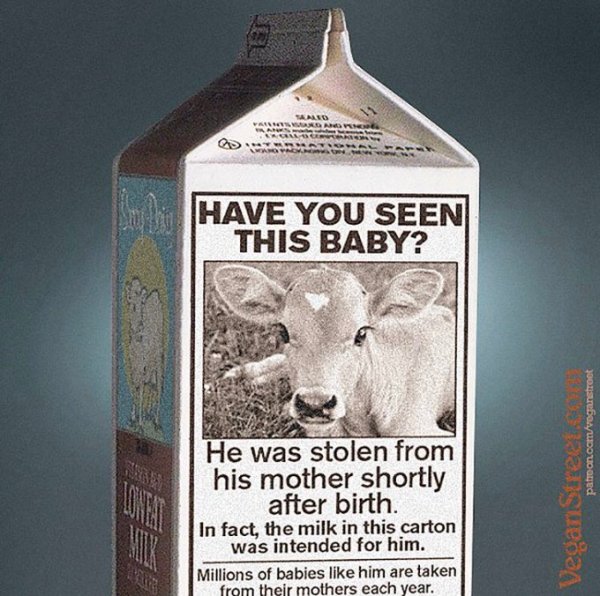
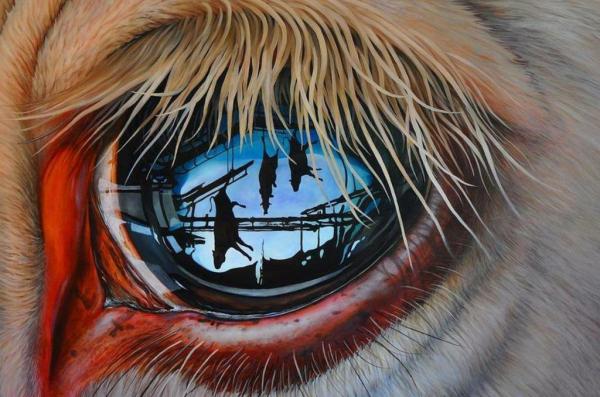
It’s wrong to use animals. Being fair means going vegan. Going vegan is easier than ever. This website will help you get started.
Happy New Year
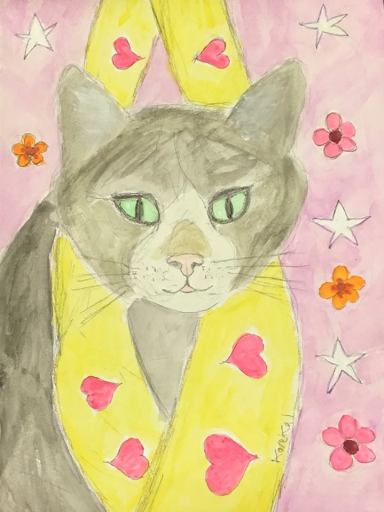
Karen Lyons Kalmenson
wrap yourself in a world of love.
by heartaches never be depleted
look upon each day,
in your own special way,
with your spirit,
undefeated.
Karen Lyons Kalmenson
Order a FREE vegan kit: http://www.peta.org/living/food/free-vegan-starter-kit/
Take PETA’s Cruelty-Free Shopping Guide along with you next time you head to the store! The handy guide will help you find humane products at a glance. Order a FREE copy HERE
Want to do more than go vegan? Help others to do so! Click on the below for nominal, or no, fees to vegan literature that you can use to convince others that veganism is the only compassionate route to being an animal friend.
PETA: http://www.petacatalog.com/catalog/Literature-39-1.html
Looking for merchandise? Action for Animals has a very good sele : http://store.afa-online.org/home.php?cat=284
Have questions? Click HERE













 Our Compass